
PressEU green-claims rules
EmpCo desk note: Europe’s anti-greenwash consumer rules apply from 27 September 2026
From ~27 Sep 2026, EU B2C environmental claims face harder substantiation — adjectives without evidence lose their easy runway.
Make and use with care. Less waste, more that can return.
PressEU green-claims rules
From ~27 Sep 2026, EU B2C environmental claims face harder substantiation — adjectives without evidence lose their easy runway.
PressTransportation and logistics · Supply chainAbout Ferragamo
An Italian house publishes deeper country-of-origin visibility for leather — early traceability under a rising EU rule wave.
Materials science · Sustainable textilesAbout Aijek
A Singapore relaunch that bans polyester blends and centres Balinese cutwork shows sustainability as design constraint — and labour proximity.
Technology · OceanAbout The Ocean CleanupConfiance Communications
Confiance’s India brief for The Ocean Cleanup shows how ocean-cleanup hardware needs local narrative craft as much as interceptors.
EU green-claims rules
Omnibus-era rules draw a line around what under-1,000-employee suppliers can be forced to answer for CSRD reporting — proportionality as industrial courtesy.
EU green-claims rules
From 27 Sep 2026, EU consumer rules reward makers who can scope a claim — and punish those who decorate packaging with mood.
EU green-claims rules
Do not build compliance theatre for a stalled proposal. Build claim discipline for Directive (EU) 2024/825 applying 27 Sep 2026.

Transportation and logistics · Supply chainAbout Ferragamo
Ferragamo’s reported origin visibility for most leather is a first mile of traceability — useful, incomplete, and newly newsworthy.

Materials science · Recyclable productsAbout Le Méridien Maldives Resort & SpaPatémar +1
A Maldives resort collaboration with Bali-made Patémar puts recycled-plastic swim shorts beside reef education — retail as conservation touchpoint.
Materials science · Circular materialsAbout Indorama VenturesKH Editions
Indorama’s recycled polyester yarn on KH Editions’ New York looks shows circularity as industrial design culture — not a charity runway.

EU green-claims rulesAbout Torque Agency GroupWylde Connections
Torque and Wylde’s public tie-up mirrors a market correction — claims and diagnostics must ship together or not at all.
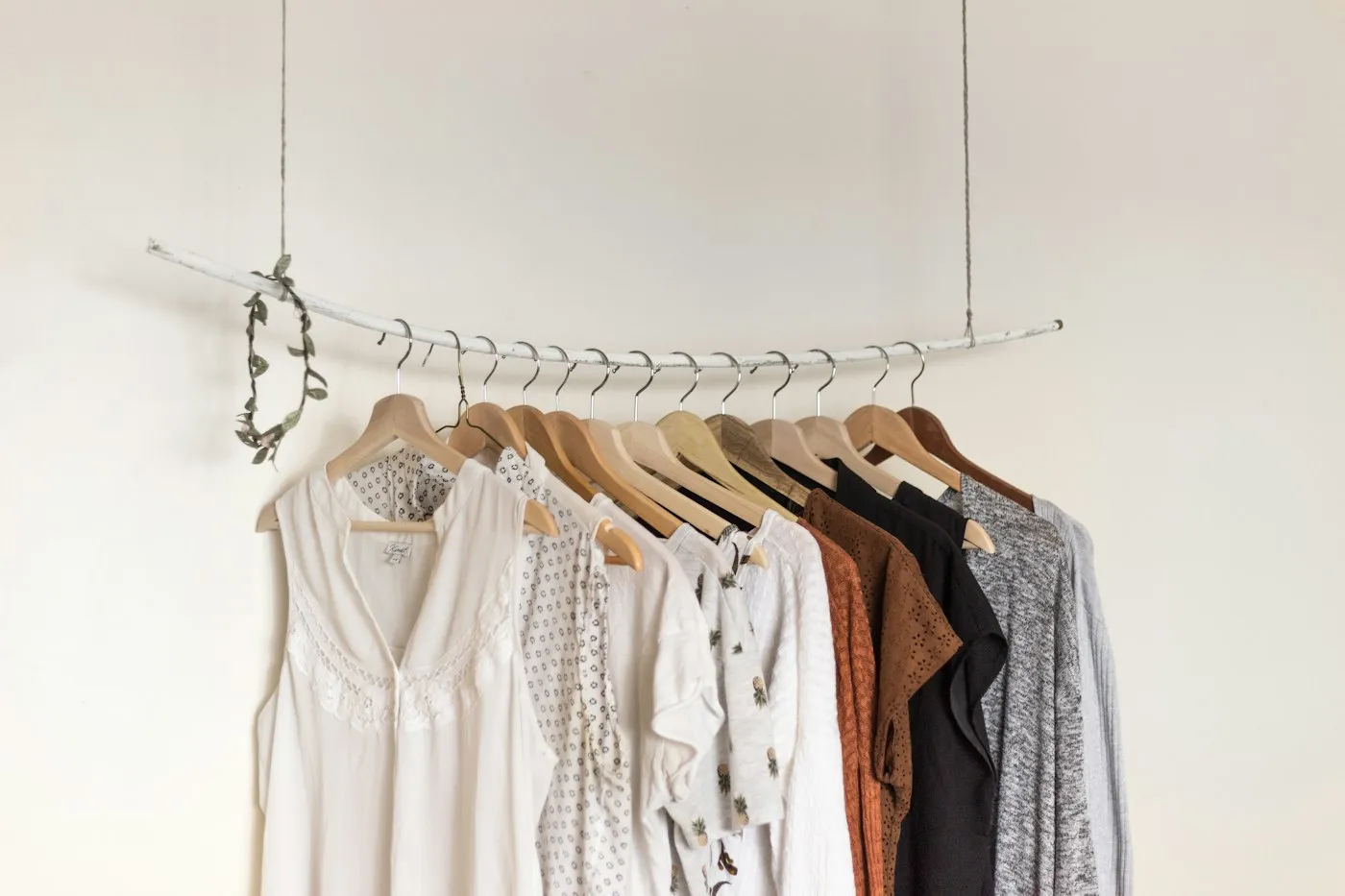
PressMaterials science · Sustainable textilesAbout Aijek
After a long pause, a Singapore label rebuilds on biodegradable naturals and Balinese kerawang — scale chosen, not performed.
PressMaterials science · Circular materialsAbout Indorama VenturesKH Editions
Recycled PET yarn meets Thai streetwear on a New York runway — circularity as design craft, not charity staging.

PressEU green-claims rulesAbout Torque Agency GroupWylde Connections
A UK automotive comms shop pairs with a sustainability consultancy so claims and evidence arrive in the same sentence.
Technology · Agriculture
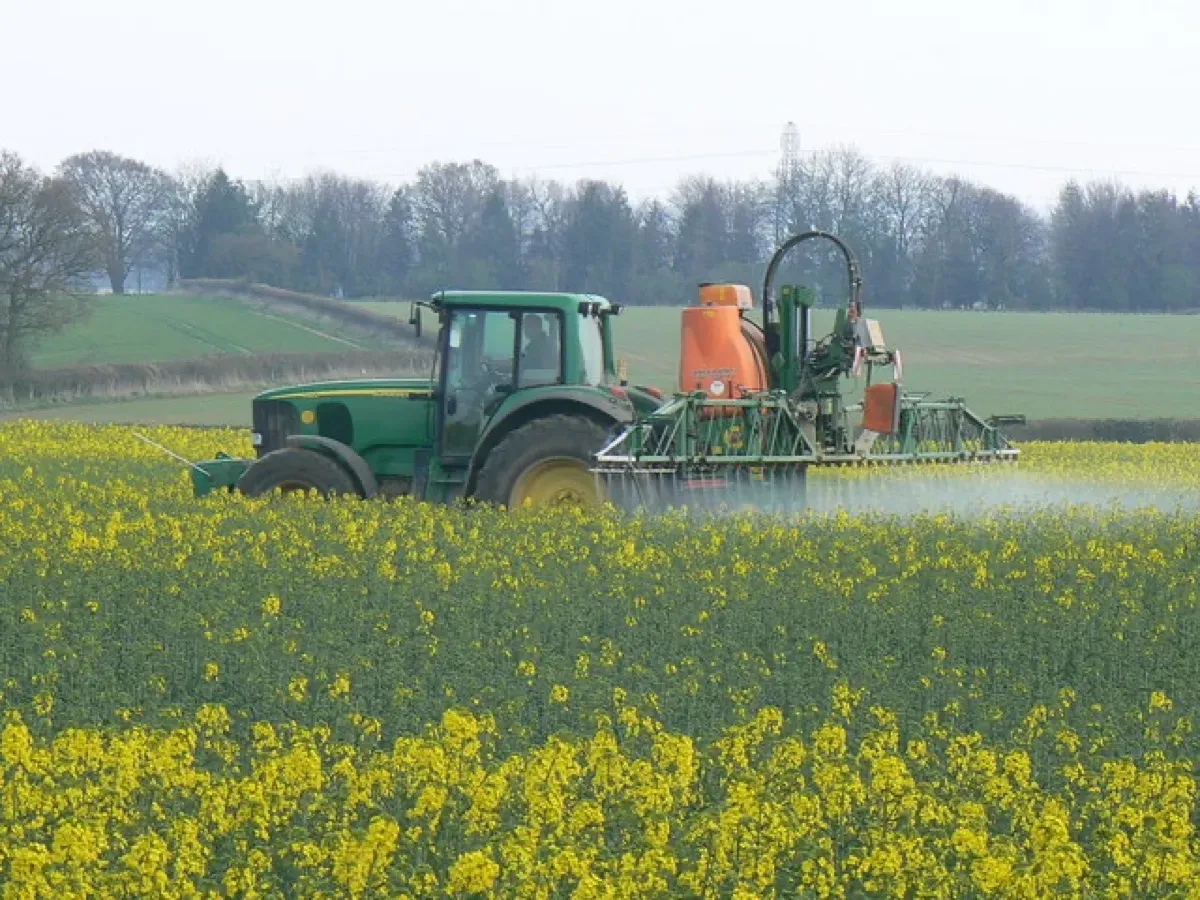
Most crop sprayers treat a field like a single surface. ARA, built by Ecorobotix in the Swiss town of Yverdon-les-Bains, photographs the ground as it moves, decides in a fraction of a second which plants are crop and which are weeds, and fires a dose onto a square about 6 centimetres wide. Five years after launch, 1,000 machines are working in Europe, the Americas and Australia, and the company is now assembling them in Kansas.
Technology · Agriculture
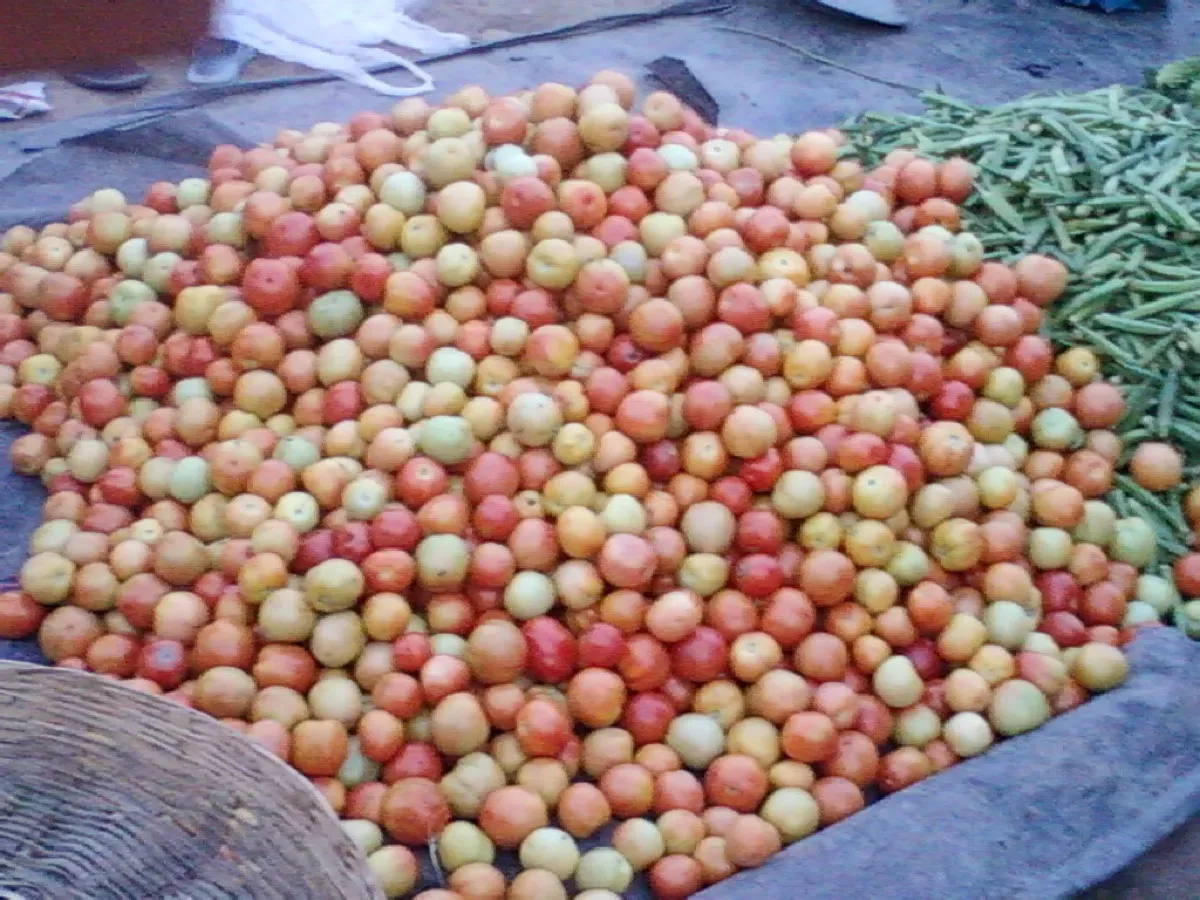
Three IIT Kharagpur graduates asked why a farmer should sell tomatoes cheap just because there is nowhere cool to keep them. Their answer, Ecofrost, is a farm-gate cold room that runs on sunlight and stores cold rather than electricity, so it needs neither a grid connection nor a battery. Twelve years on, the Pune company behind it has grown into a profitable climate-tech business with revenue above Rs 1,000 crore.
Technology · Agriculture
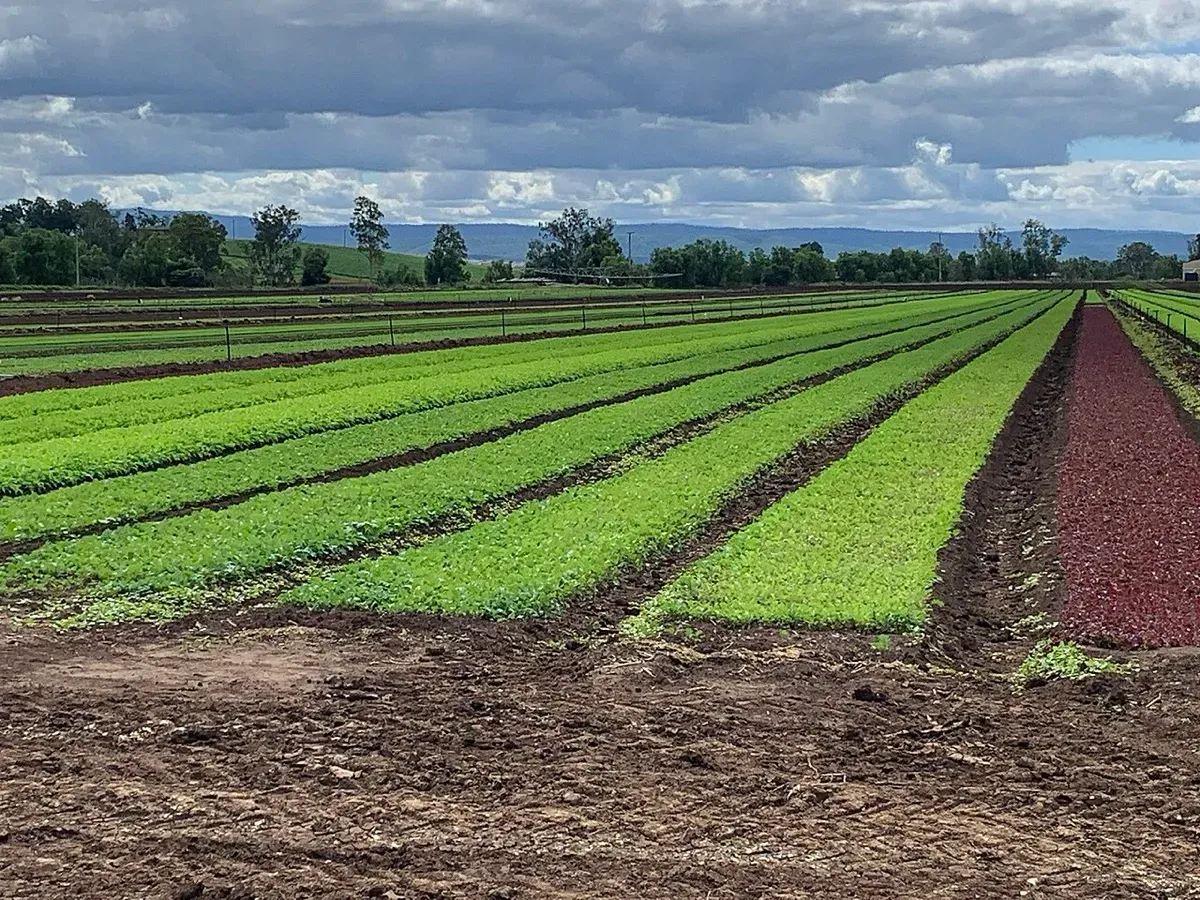
Weeds hit hardest in the first weeks after sowing, when sugar beet and onion seedlings are tiny. Conventional farms answer with herbicide, organic farms with crews of hand weeders. FarmDroid, from Vejen in Denmark, built a slow, light, solar-powered robot that records the GPS position of every seed it plants and then comes back to hoe around each one. More than 500 now work in 26 countries, and a bigger sibling arrives in January 2027.
Technology · Agriculture
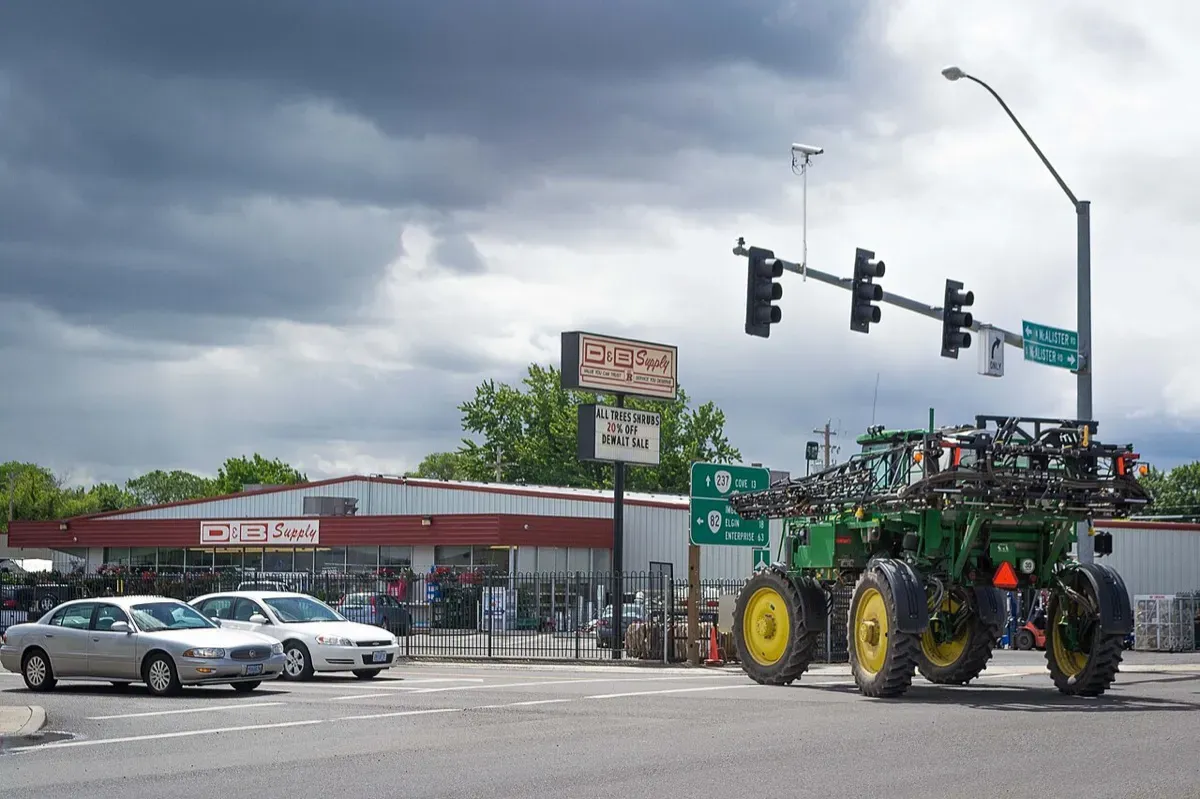
The world's best-known farm machinery brand taught its big sprayers to spot a weed at 15 miles an hour and fire only the nozzle above it. In 2025 farmers used See & Spray on more than five million acres and cut non-residual herbicide by nearly half. For model year 2027 Deere has merged its three versions into one, added wheat, barley, canola and sugar beet, and says factory orders are nearly doubling.
Technology · Agriculture
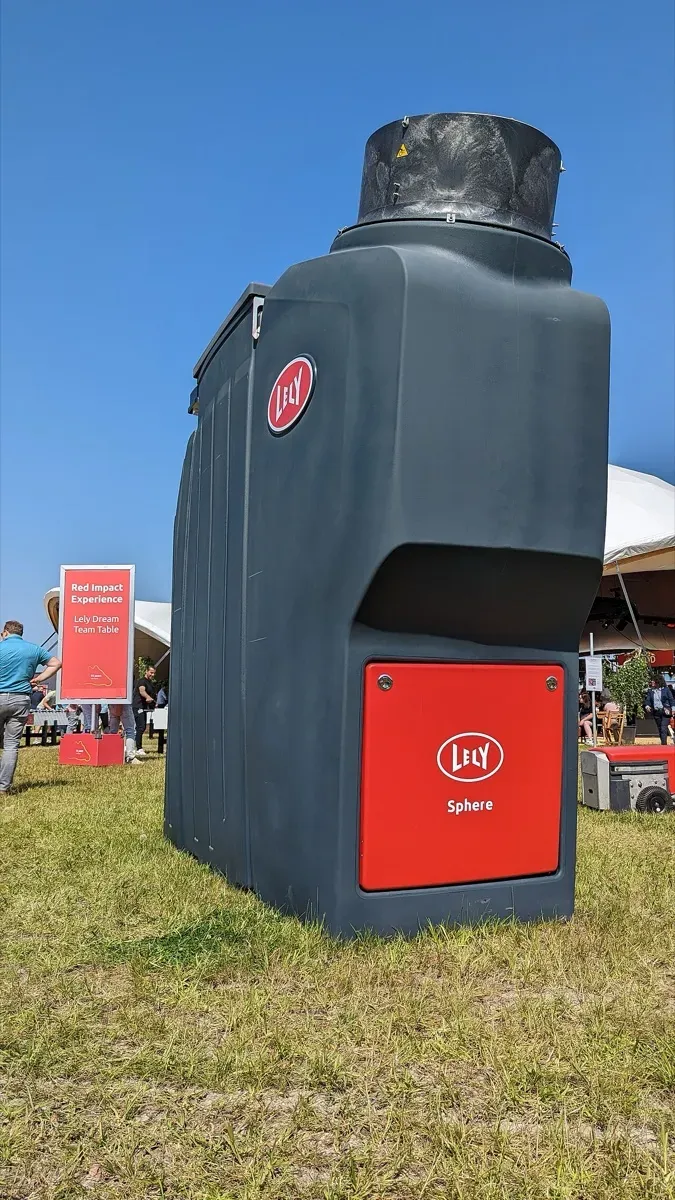
In a dairy barn, ammonia starts forming within hours once urine meets dung. In the Netherlands, that gas settles on protected nature and has frozen farm permits since 2019. Lely, the family firm best known for milking robots, built a barn system that keeps urine and dung apart, pulls the gas out of the manure pit and binds it into a liquid fertiliser. In February 2026 a Dutch province granted the first final nature permit based on it.
Technology · BiologyAbout Carbiolice
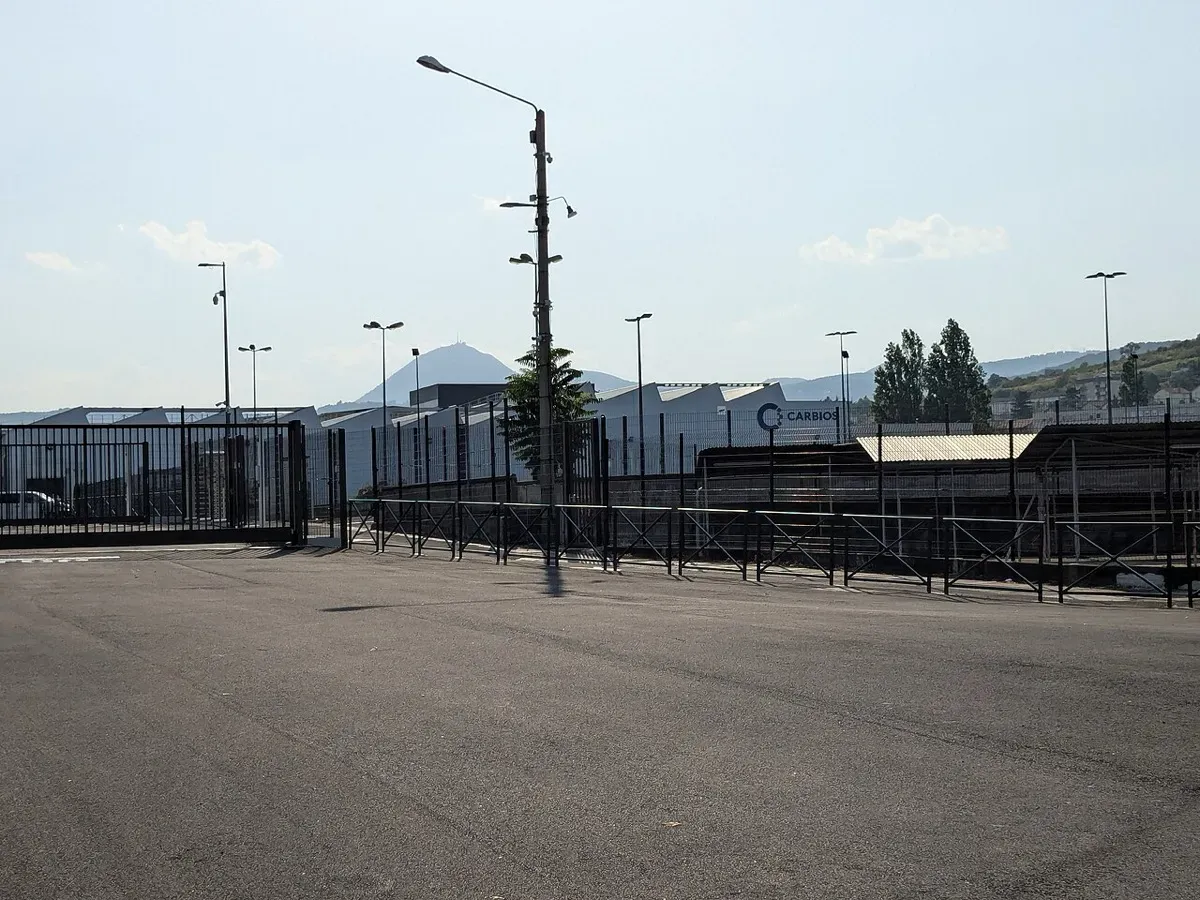
Plant-based PLA plastic is often sold as compostable, yet in a garden heap it barely breaks down. Carbiolice, a subsidiary of the French enzyme company CARBIOS, hides a protected enzyme inside the plastic that stays dormant while the pack is in use and wakes up only in compost. With the EU's new packaging regulation in force since August 2026, the question is whether brands will choose compostable formats for the packs that cannot be recycled.
Technology · BiologyAbout MMC Holding International
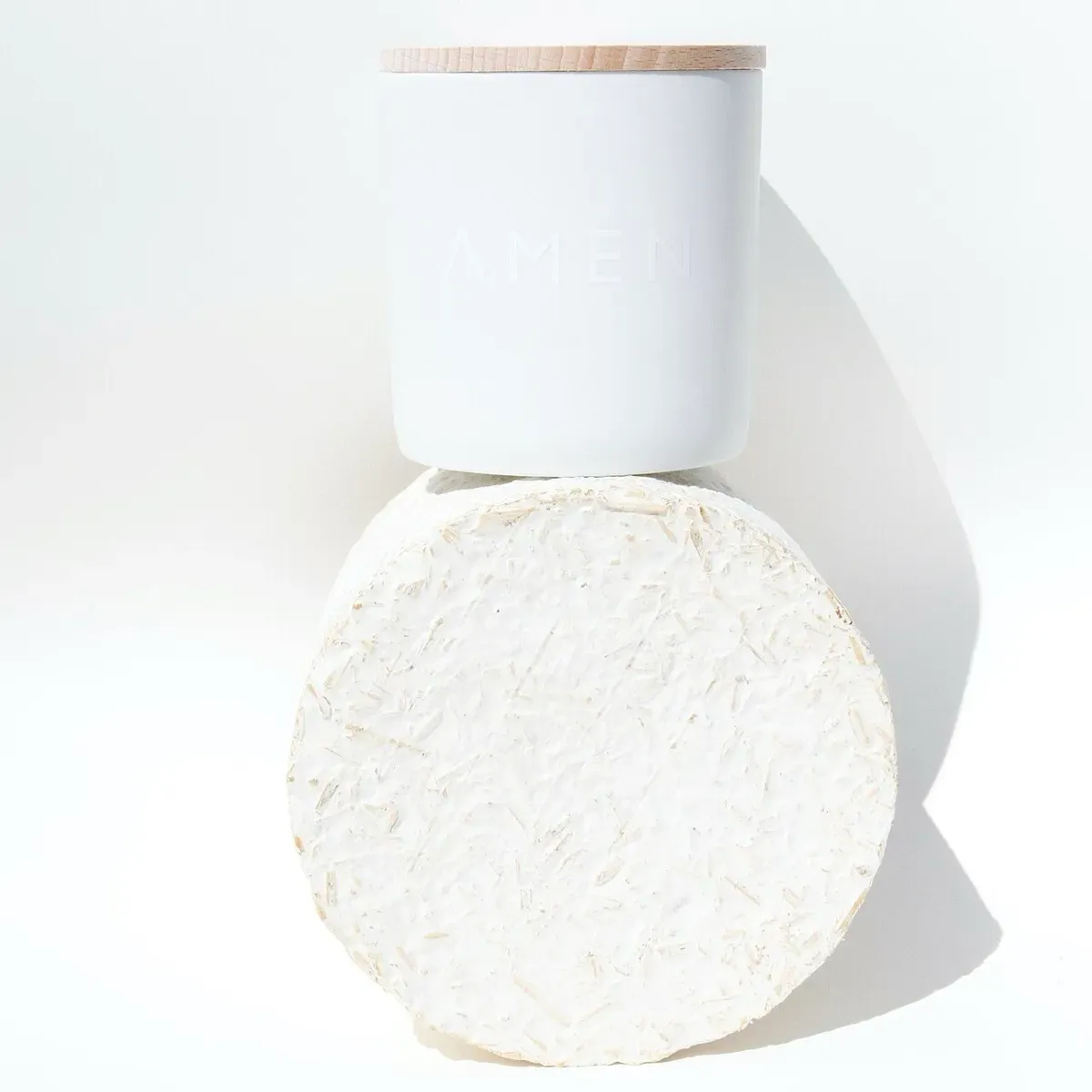
Open a box holding a speaker, a lamp or a bottle of gin and you will probably find white polystyrene foam. A British company grows a replacement instead: fungal threads knit hemp waste into a moulded insert that protects the product and can then be crumbled into a garden compost heap. Six years after first production, it says it has reached price parity with polystyrene and expects to make about 10 million units in 2026.
Technology · Biology
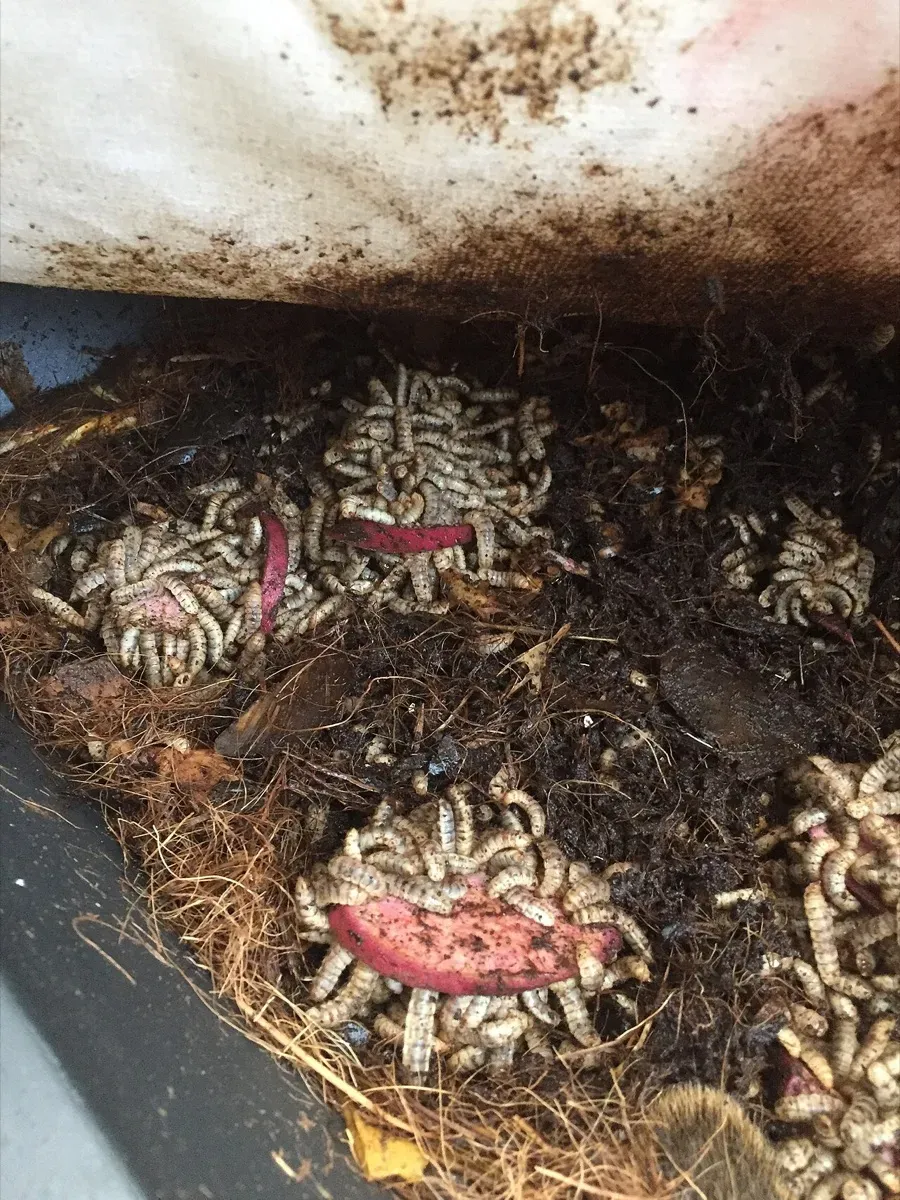
In a factory in Bergen op Zoom, billions of black soldier fly larvae eat food-industry by-products and become protein and fat for pets, fish and farm animals. Protix proved insect protein can be made at industrial scale in Europe. In 2026 it decided its next factories belong in Asia, faced the world's first protest against insect farming, and defended its green claims before the Dutch advertising watchdog.
Technology · Biology
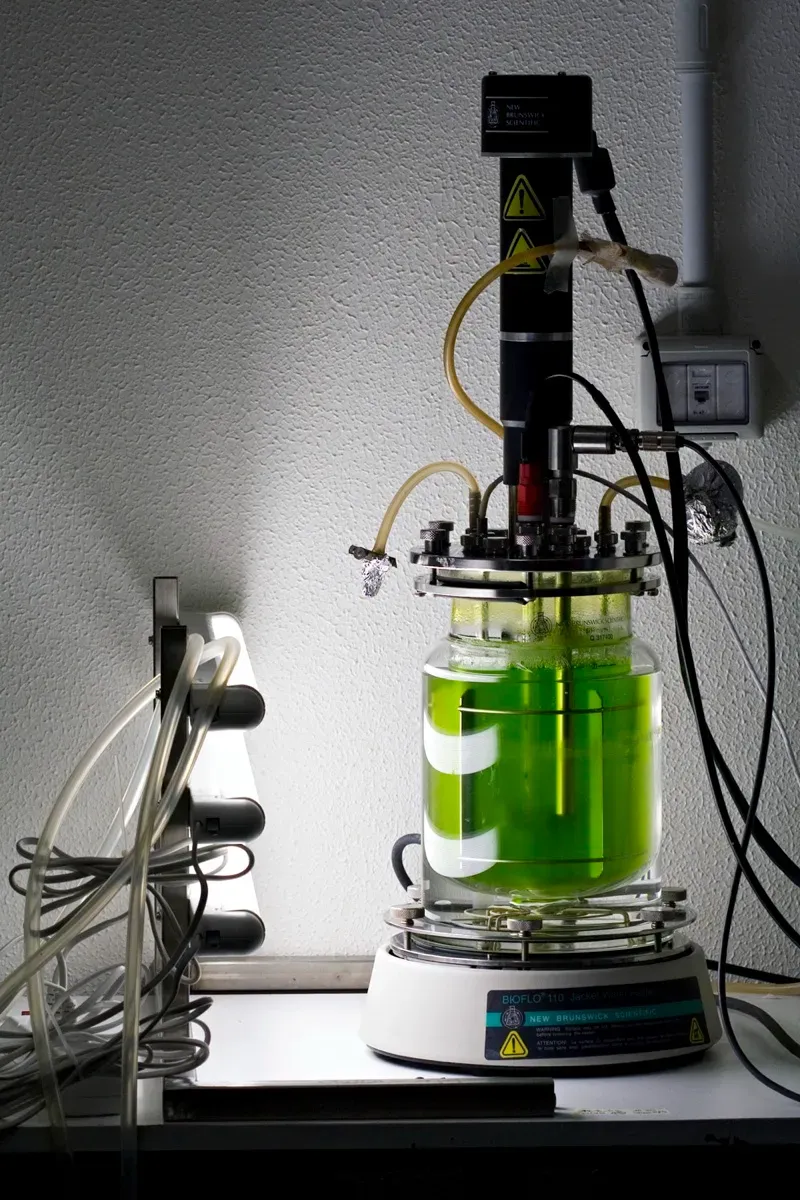
A Finnish company feeds one naturally occurring bacterium with carbon dioxide and hydrogen and harvests a yellow, protein-rich powder. Solein is already on sale in the United States inside a sports protein powder, and Factory 02, forty times bigger than today's plant, is in final design. What it still lacks is approval in its home market: the EU novel food decision has now been pending for five years.
Technology · Biology
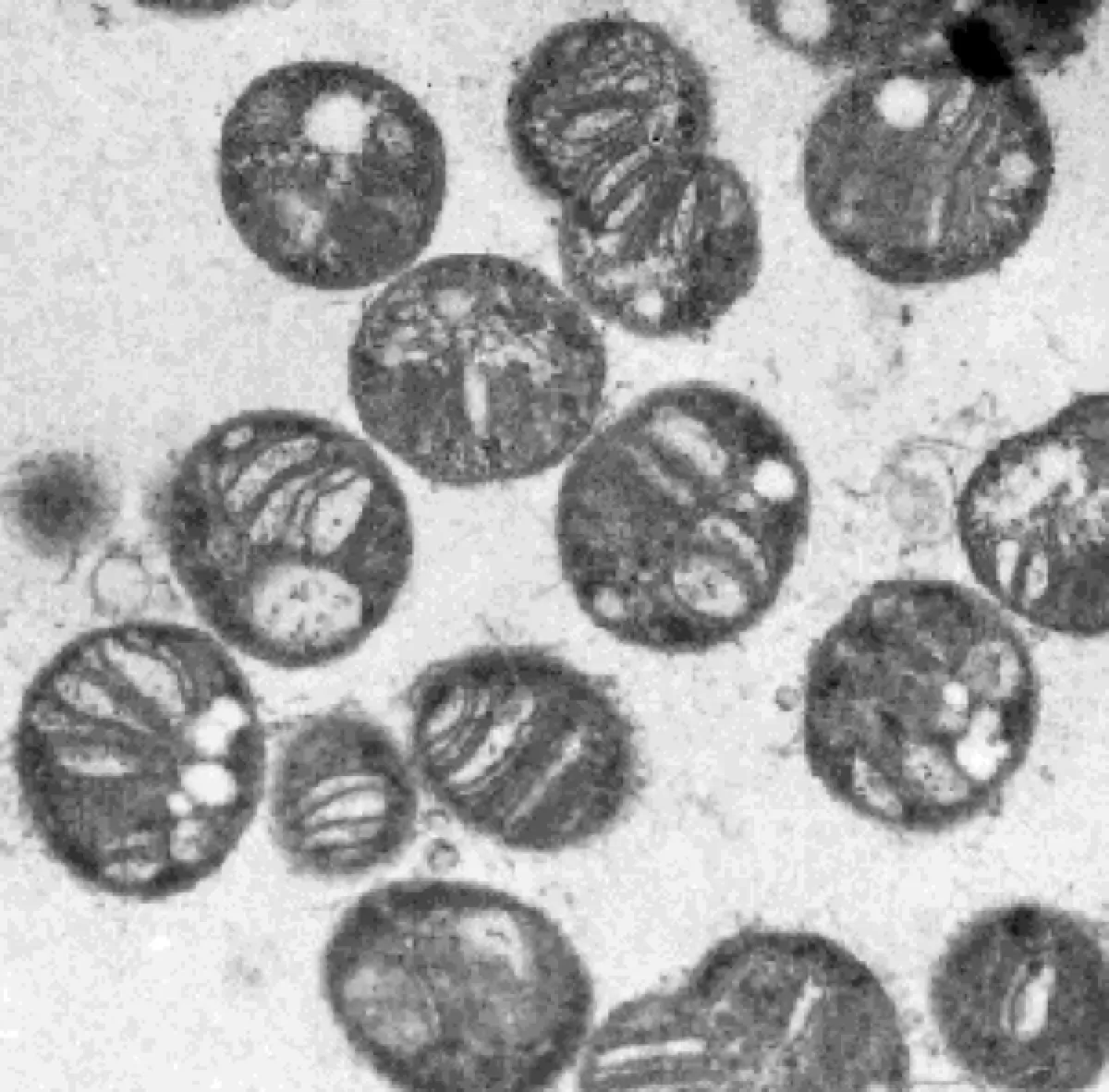
Methane leaks from landfills, farms and gas pipes and warms the planet far faster than CO2. A Bengaluru biotech firm feeds it to bacteria and harvests a protein ingredient for shrimp, fish, poultry, pig and pet diets. PRO-DG cleared a US safety milestone in 2024, and in September 2026 the Gates Foundation backed the same platform's crop products for smallholders in Asia and Africa.
Technology · Finance
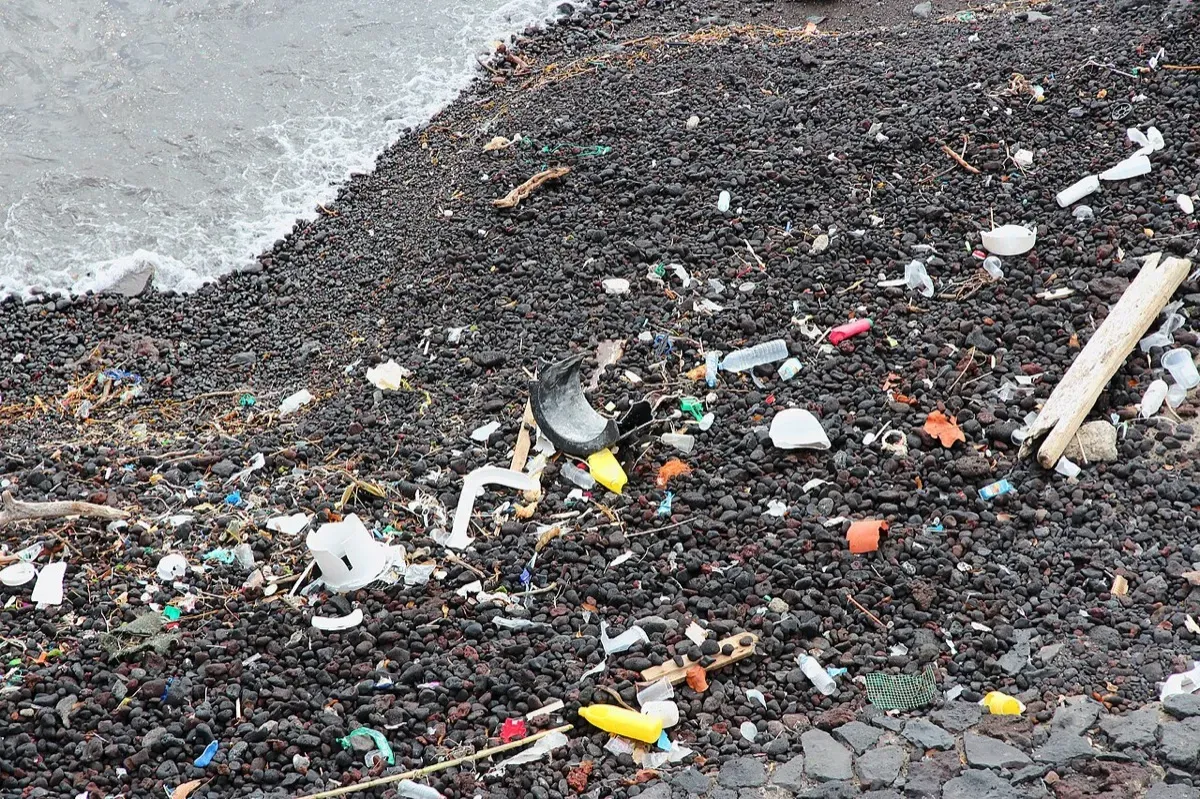
Plastic collected near coastlines in places with weak waste systems is unlikely to be recycled and likely to reach the sea.
Technology · Finance
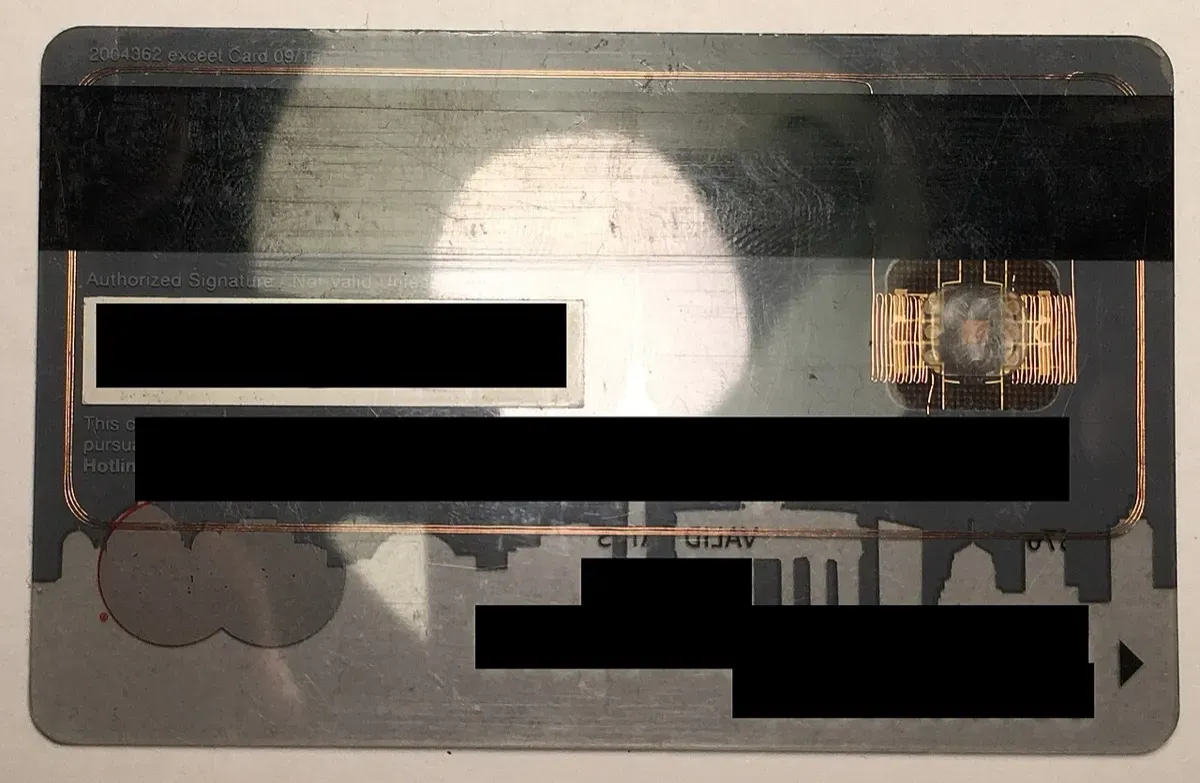
Most "recycled" bank cards on the market used to contain around 85% recycled material.
Technology · Finance
The greenest card is often not the most exotic one, but the one a bank can roll out to every customer.

Technology · Finance
India has more than 115 crore debit and credit cards in circulation, and almost all are plastic.

Technology · Finance
Billions of bank cards are made every year, almost all from fossil-based PVC.
Technology · Food
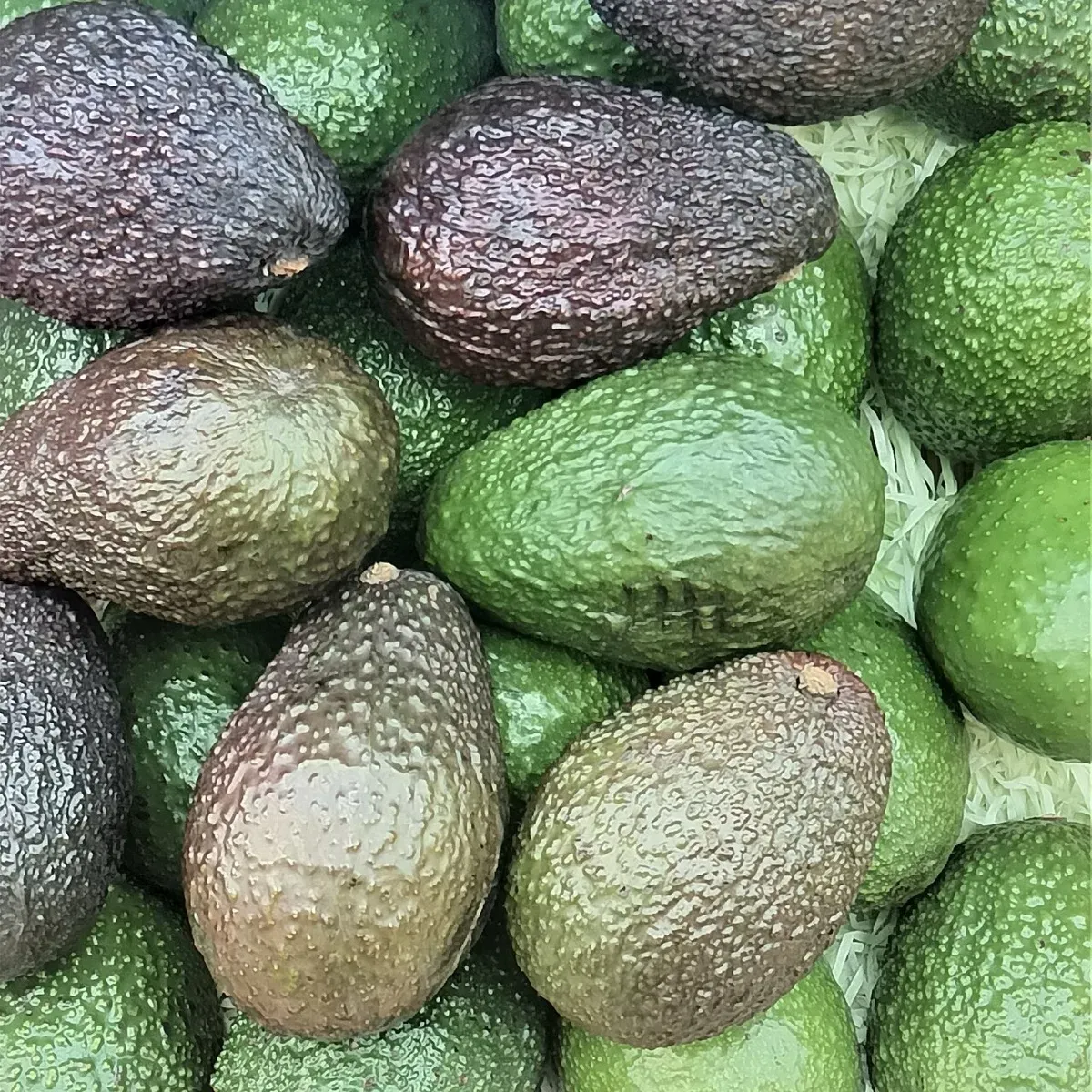
Fresh fruit loses water and reacts with oxygen from the moment it is picked, and the clock decides how much ends up in the bin.
Technology · Food
Expiry dates are set for the worst case, not for how most of us actually store food.
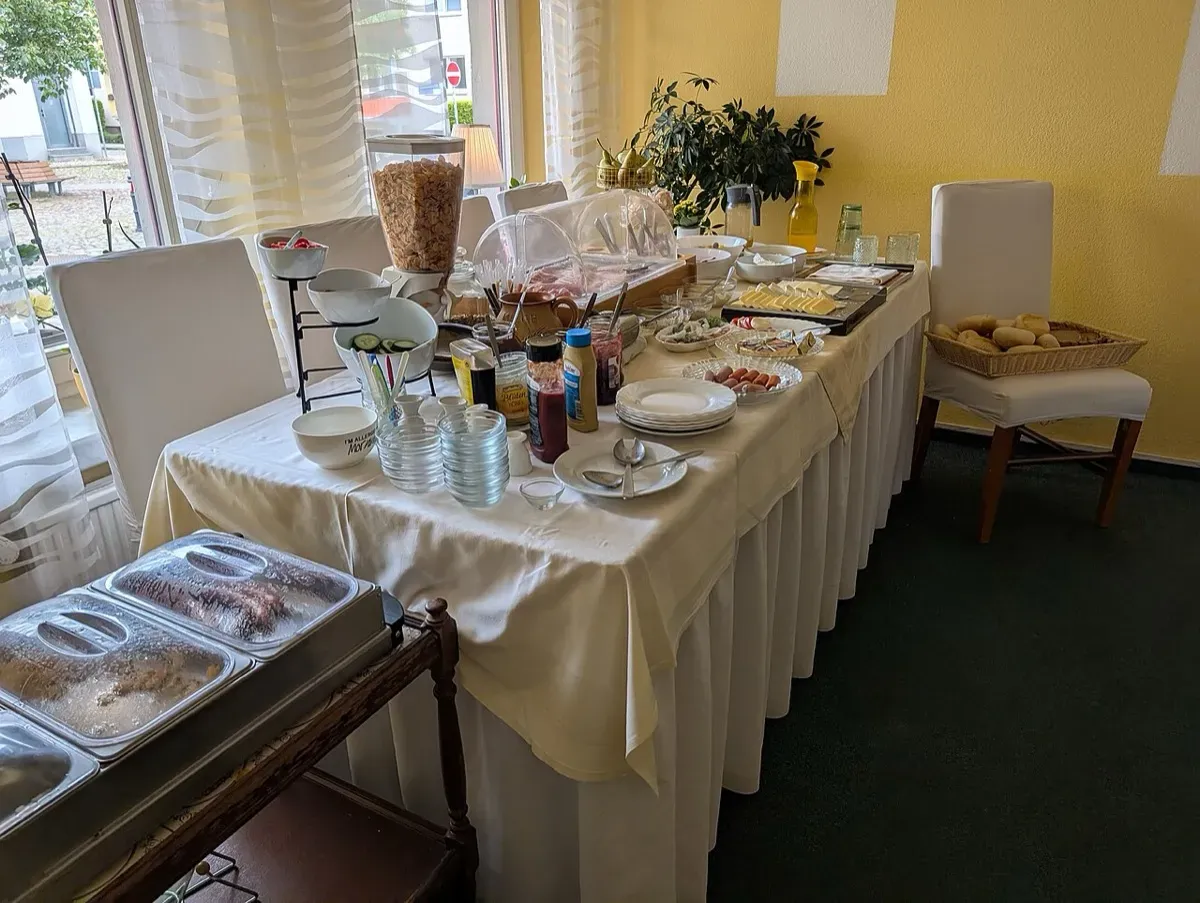
Technology · Food
Two former supermarket employees decided they had spent enough time selling crisps and chips.
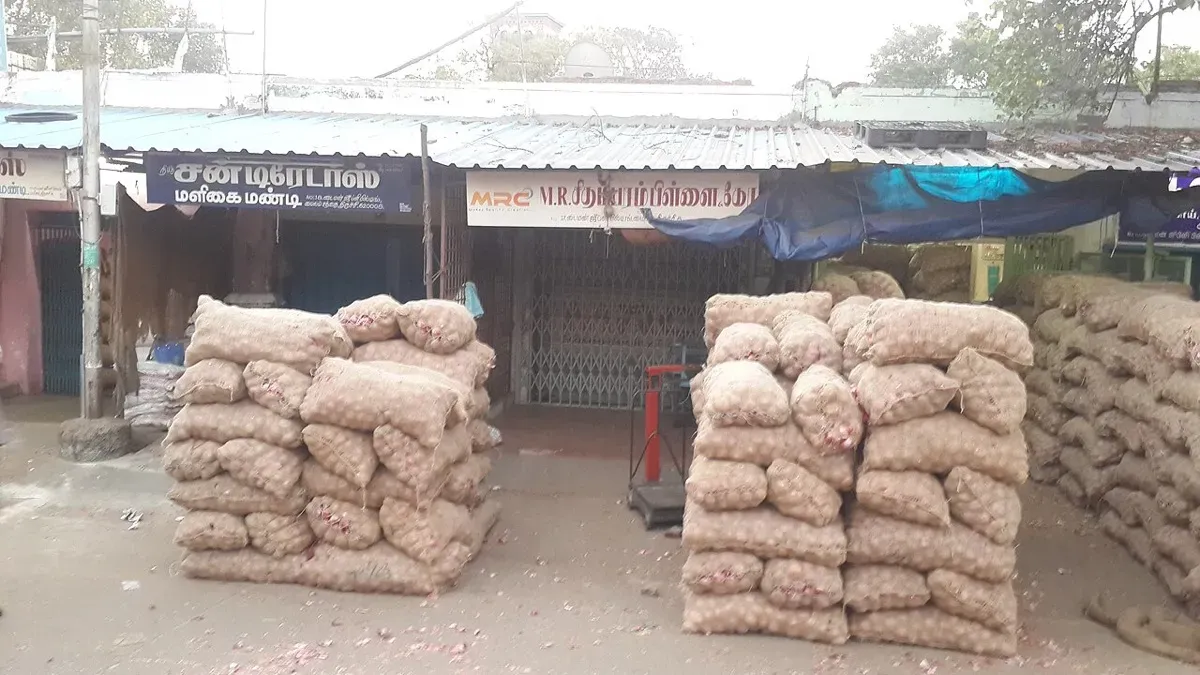
Technology · Food
When tomato prices crash, Indian farmers often leave crops to rot because harvesting costs more than the market pays.
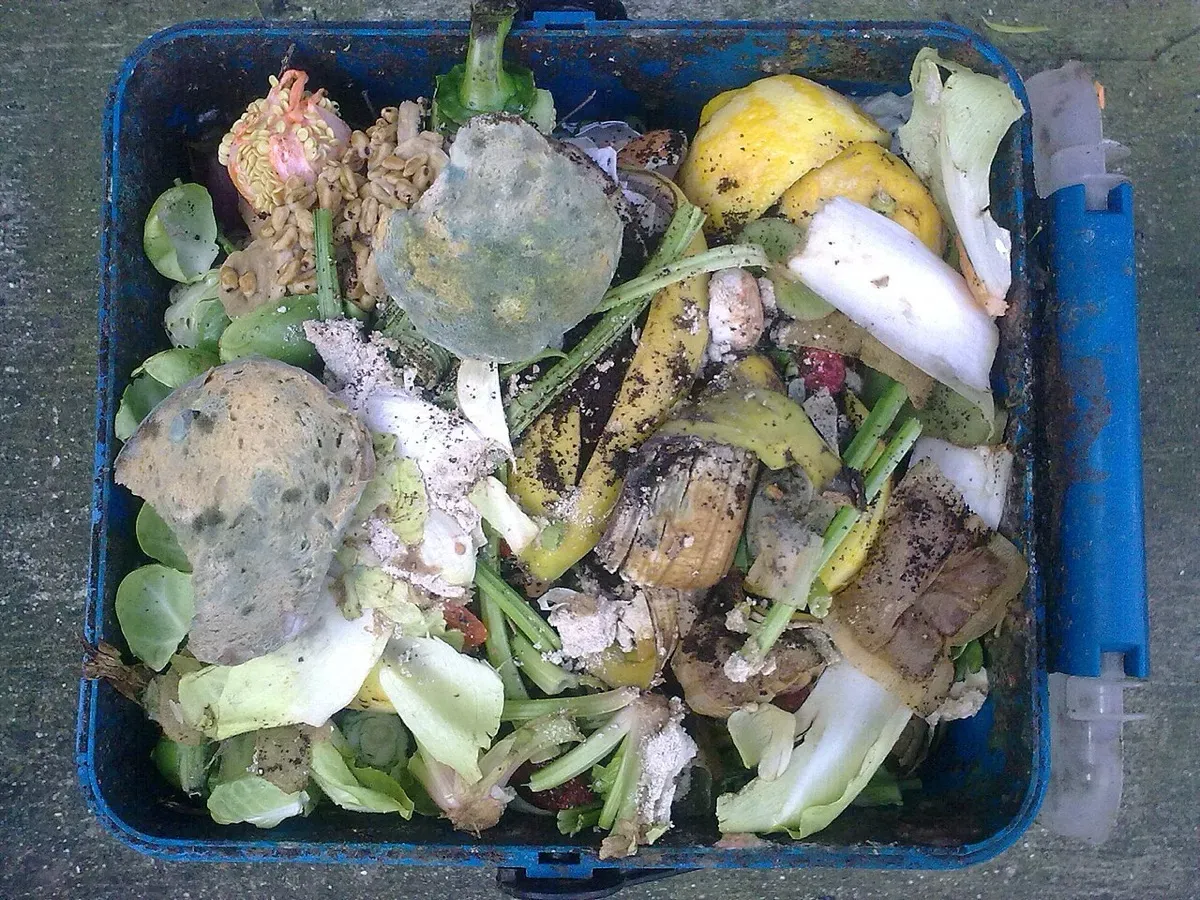
Technology · Food
Commercial kitchens throw away between 5% and 15% of the food they buy, and most do not know what or why.
Technology · Nuclear
Some of the most promising cancer drugs of the decade are radioactive.
Technology · Nuclear
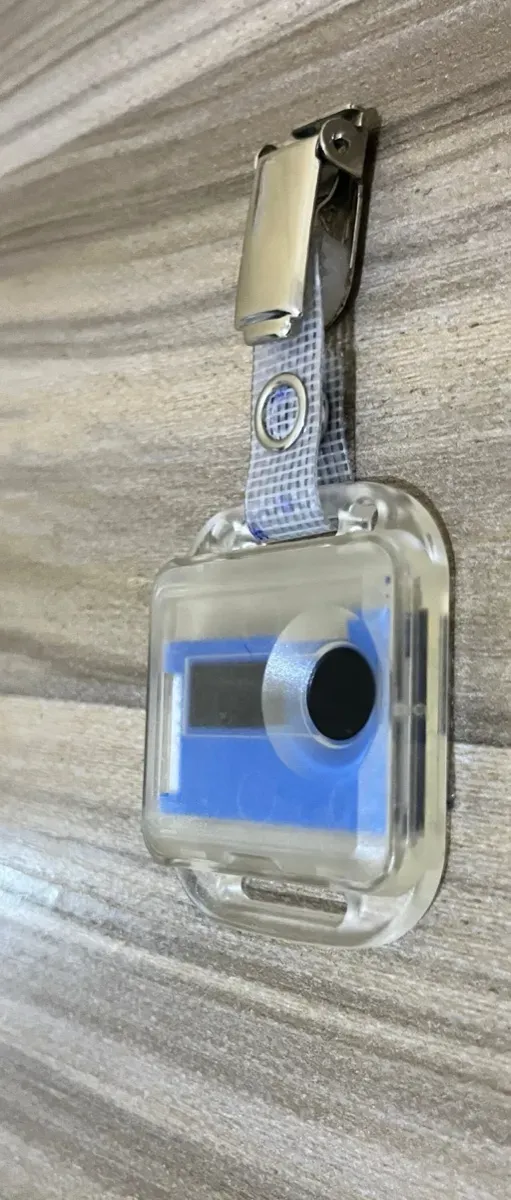
Every radiographer, cardiologist and nuclear plant technician wears a small badge that records the radiation they receive.
Technology · Ocean
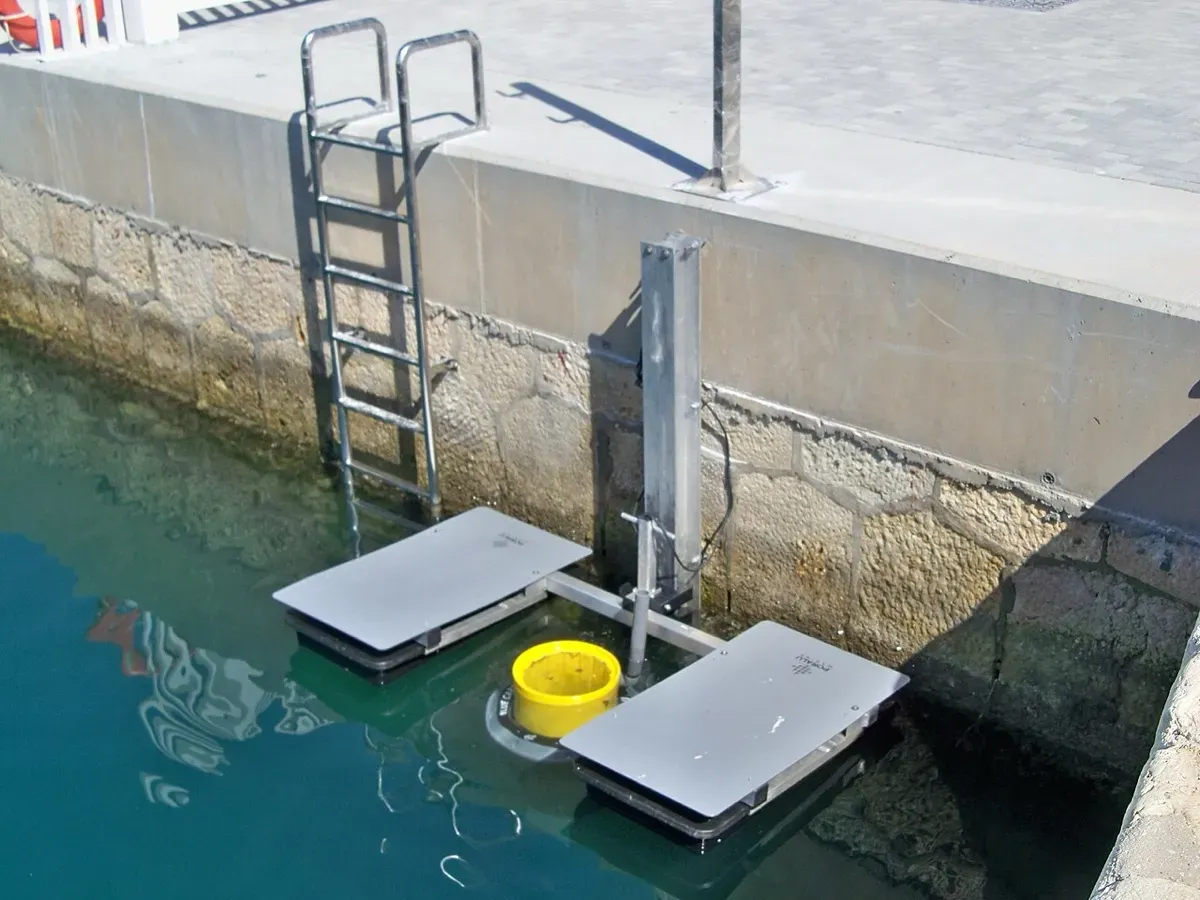
Wind and currents push floating litter into the corners of every harbour, where it collects against pontoons and sea walls.
Technology · Ocean
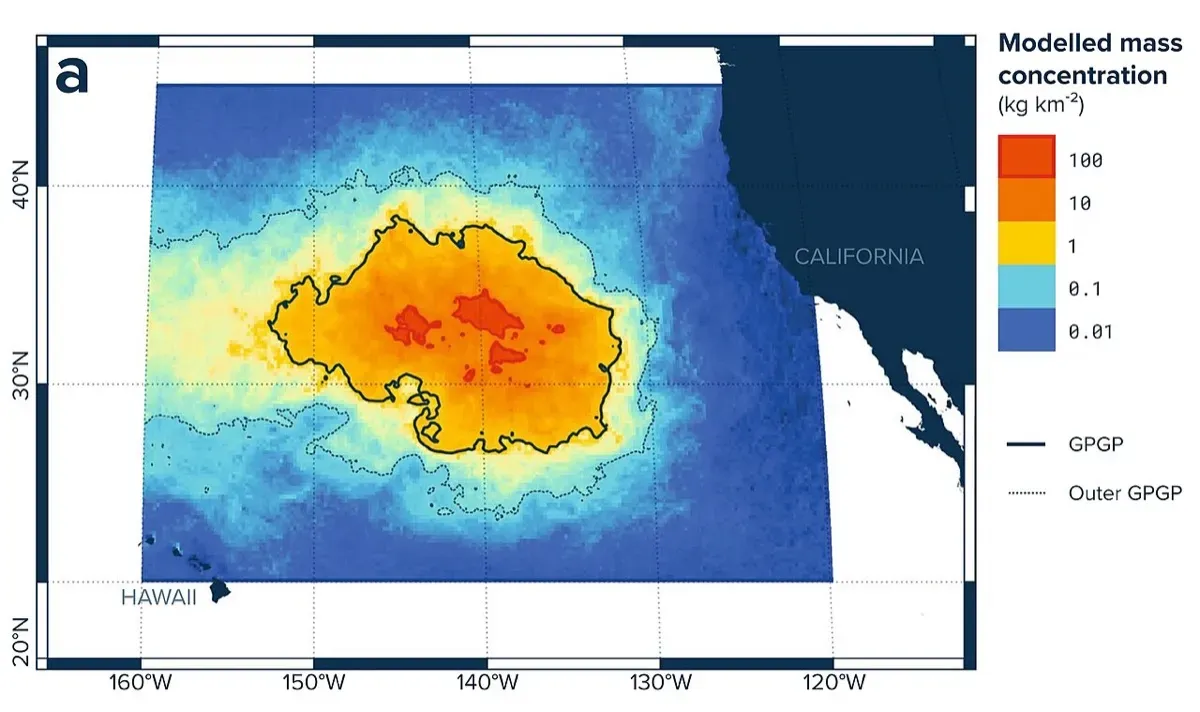
Halfway between Hawaii and California, ocean currents have gathered tens of thousands of tonnes of floating plastic.
Technology · Water
Most homes use drinking-quality water to flush toilets, then pour lightly used shower water straight down the drain.
Technology · Water
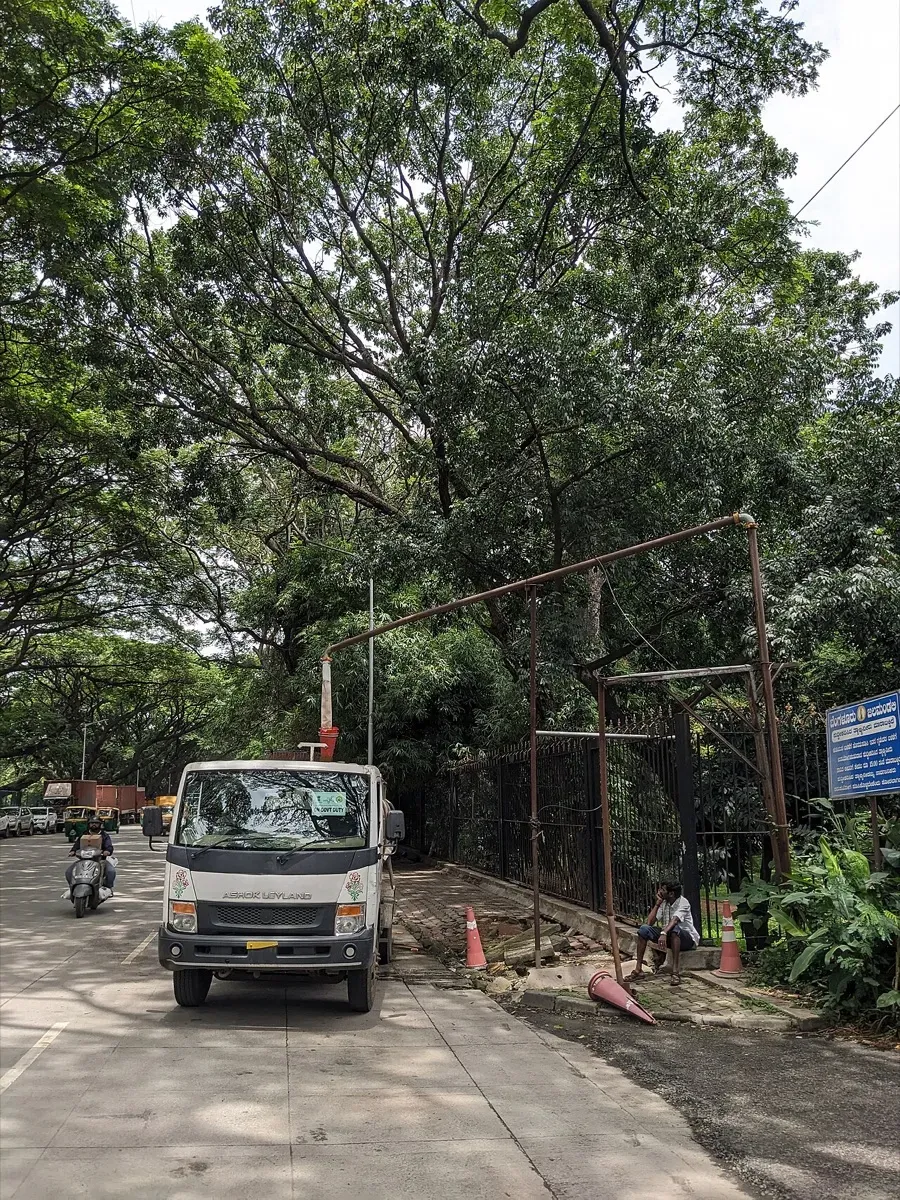
Bengaluru, India's tech capital, now depends heavily on borewells and private tankers, and in dry years both run short.
Energy · Decarbonization
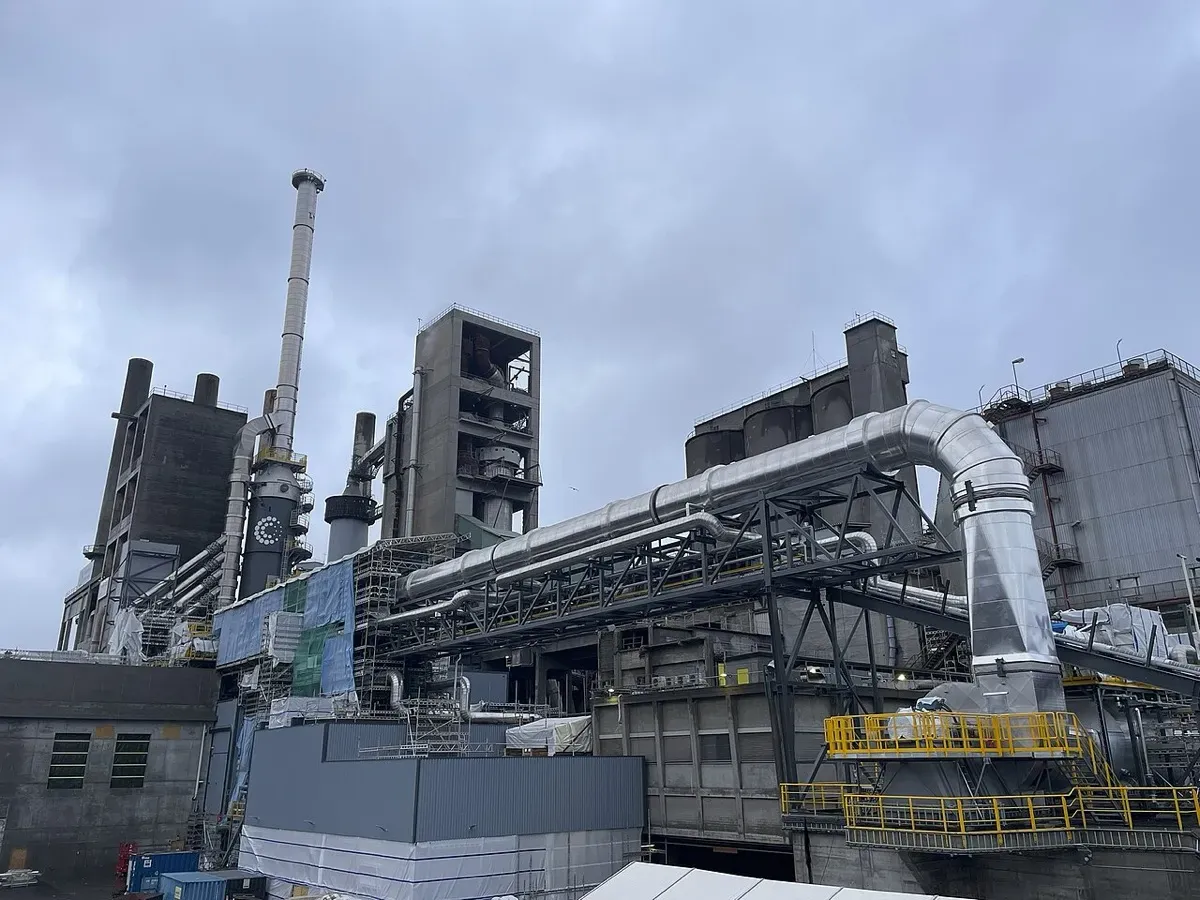
Cement is the glue of modern construction, and about 7% of global CO2 emissions, much of it released by the chemistry of limestone itself.
Energy · Decarbonization
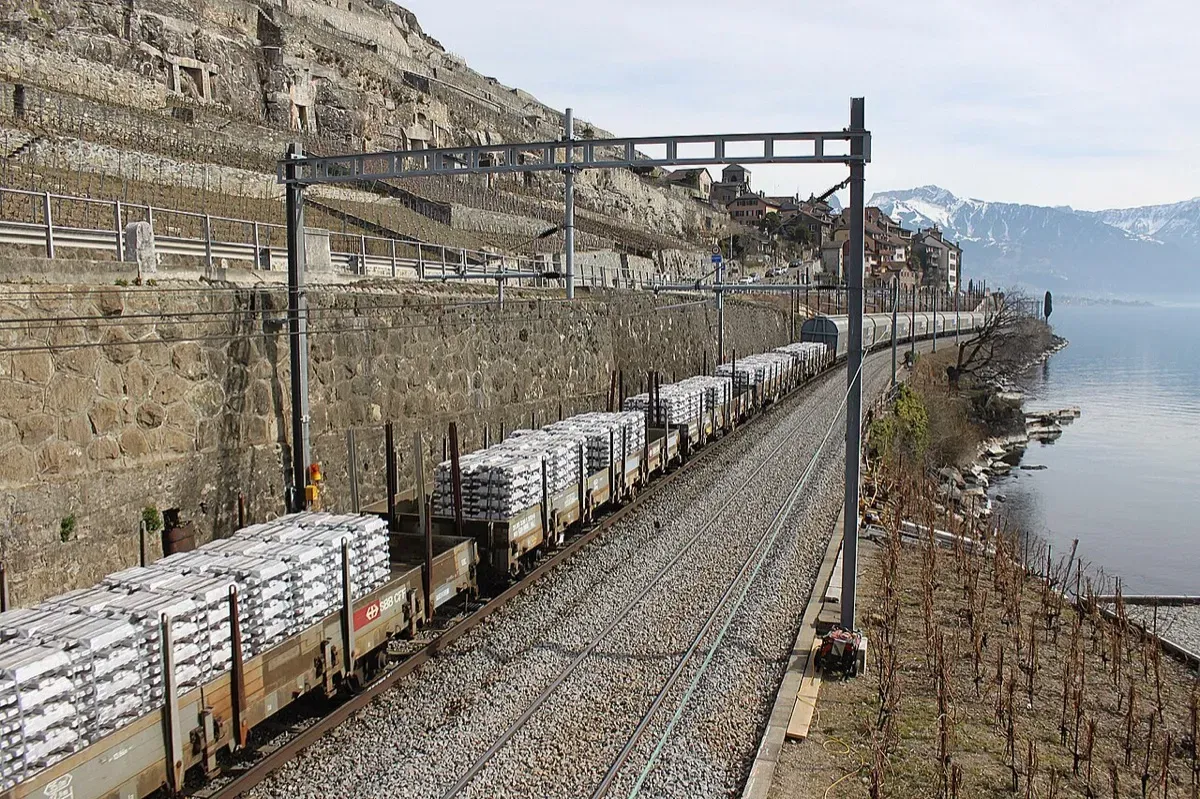
Making new aluminium from bauxite takes huge amounts of electricity, and where that power comes from coal, each tonne can carry 15 tonnes of CO2 or more.
Energy · Decarbonization
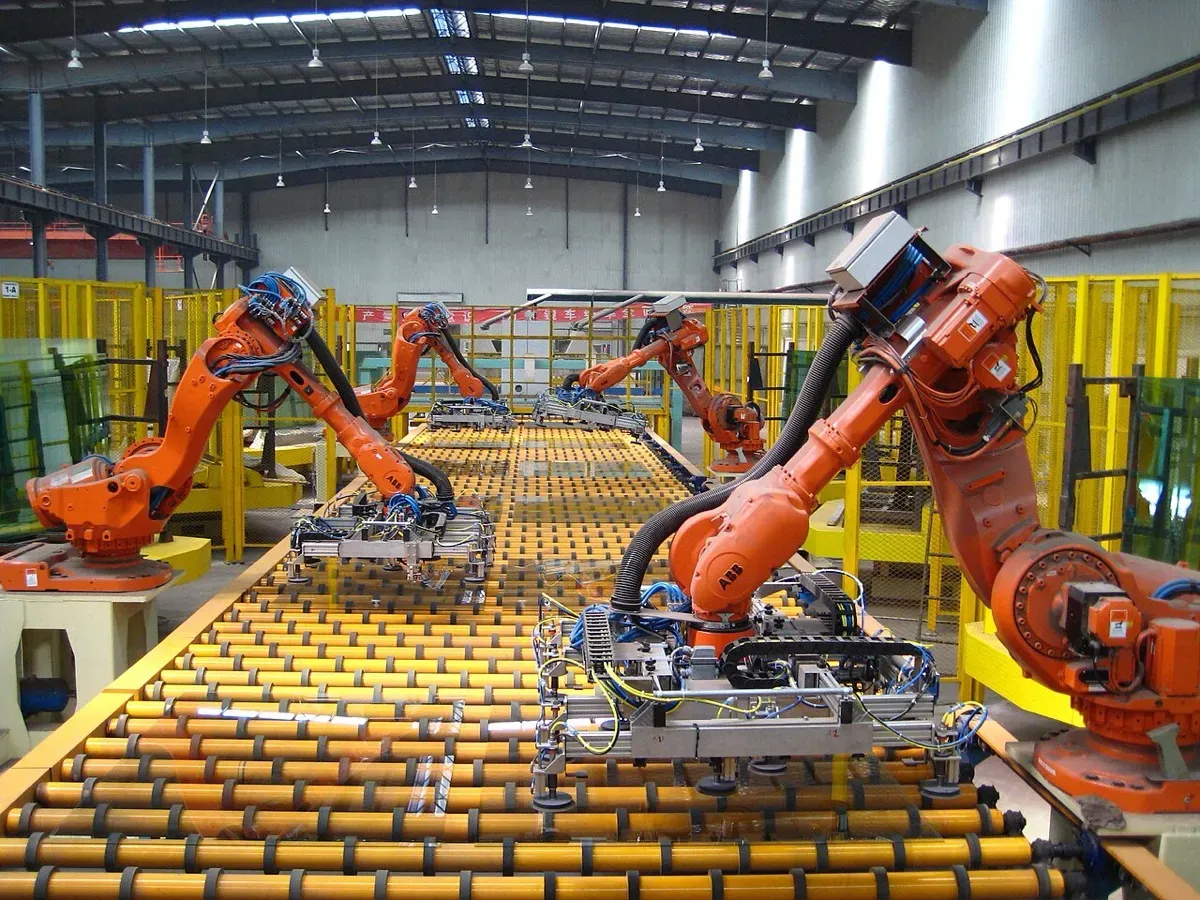
Every window, glass facade and balcony panel starts in a furnace burning natural gas at around 1,500°C, melting sand, soda ash and limestone.
Energy · Decarbonization
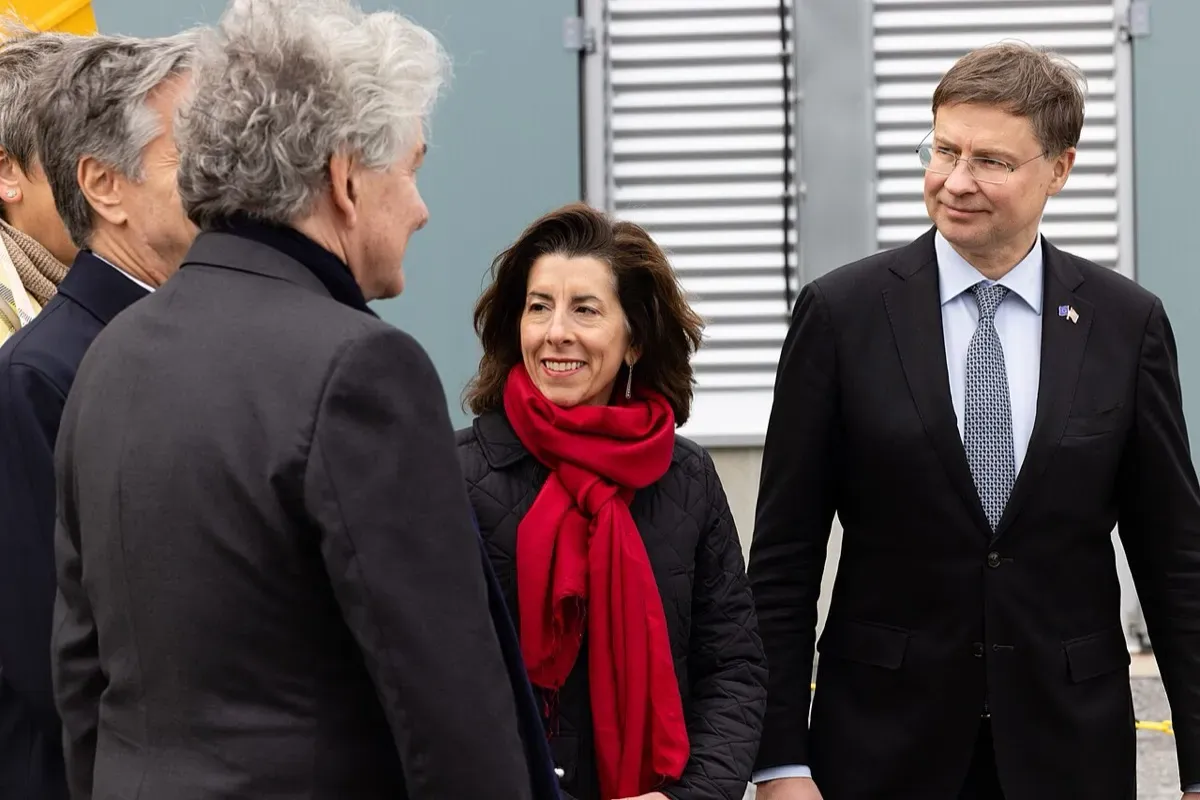
Making a tonne of steel in a blast furnace releases around two tonnes of carbon dioxide, because coal is used to strip oxygen from iron ore.
Energy · Decarbonization
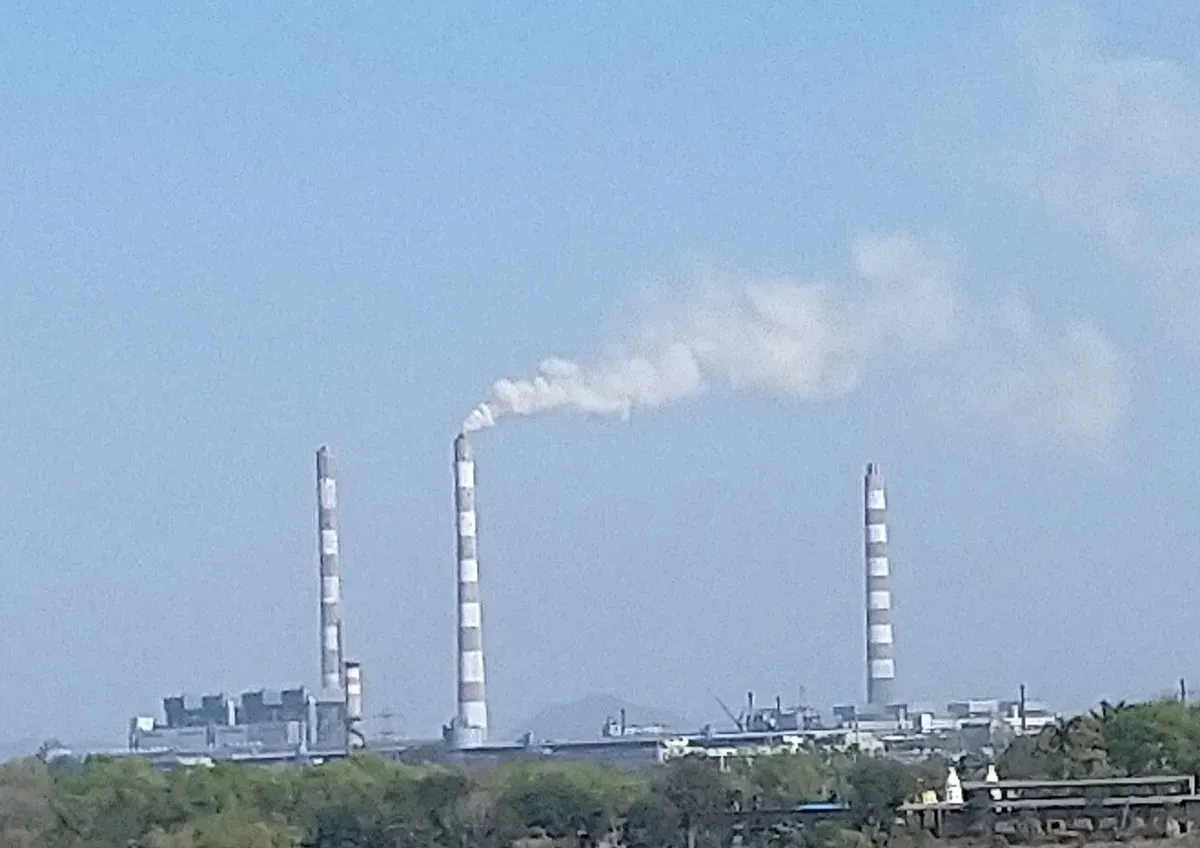
India is the world's second-largest aluminium producer, and almost all of its smelters run on captive coal power, giving its metal one of the highest carbon footprints anywhere.
Energy · Nuclear energy
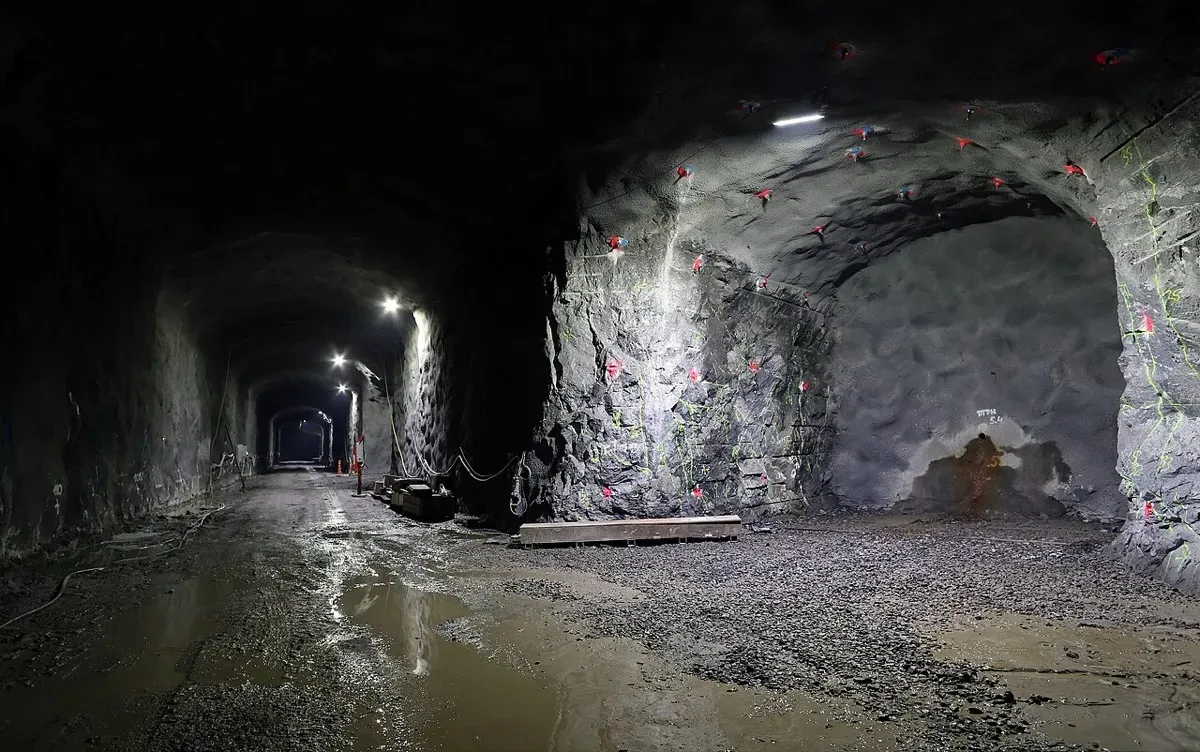
Since the 1950s, critics of nuclear power have asked one question: where does the waste go?
Energy · Solar energy
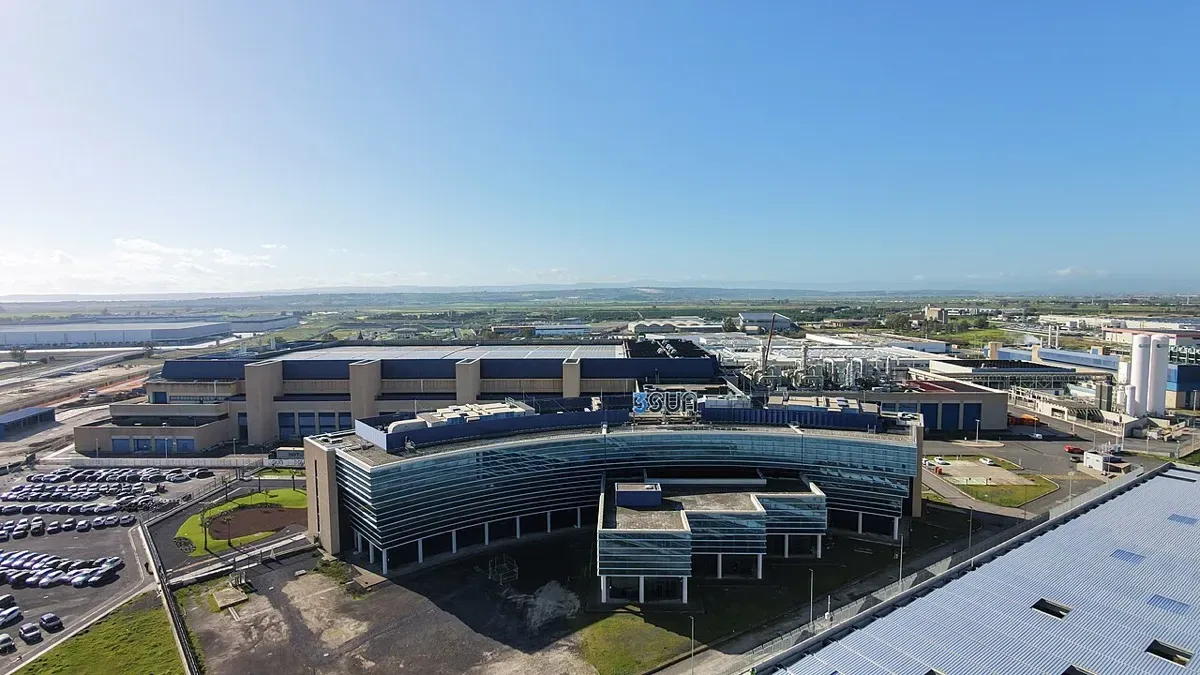
Europe installs tens of gigawatts of solar every year but makes only a tiny share of the panels itself.
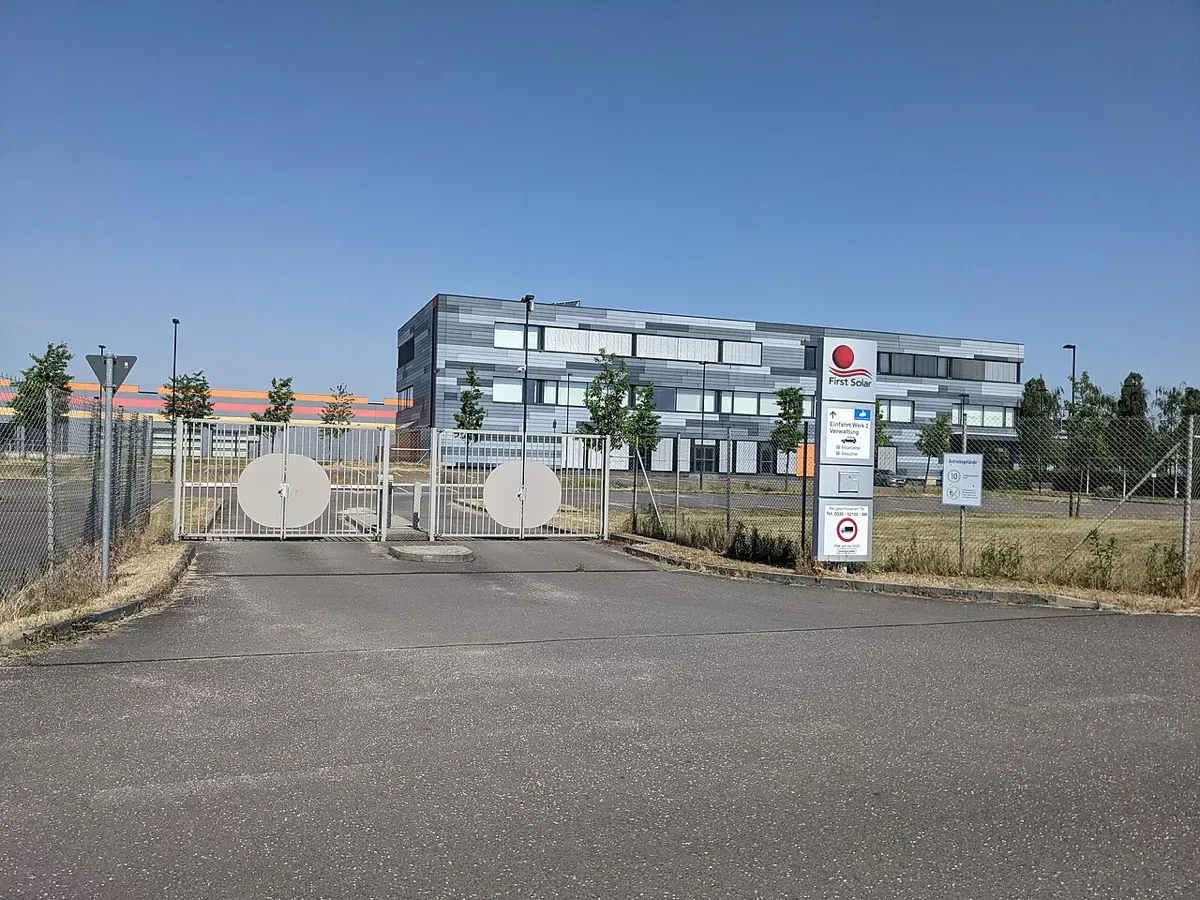
Energy · Solar energy
Almost every solar panel in the world is made from crystalline silicon, and most of that silicon supply chain runs through China.
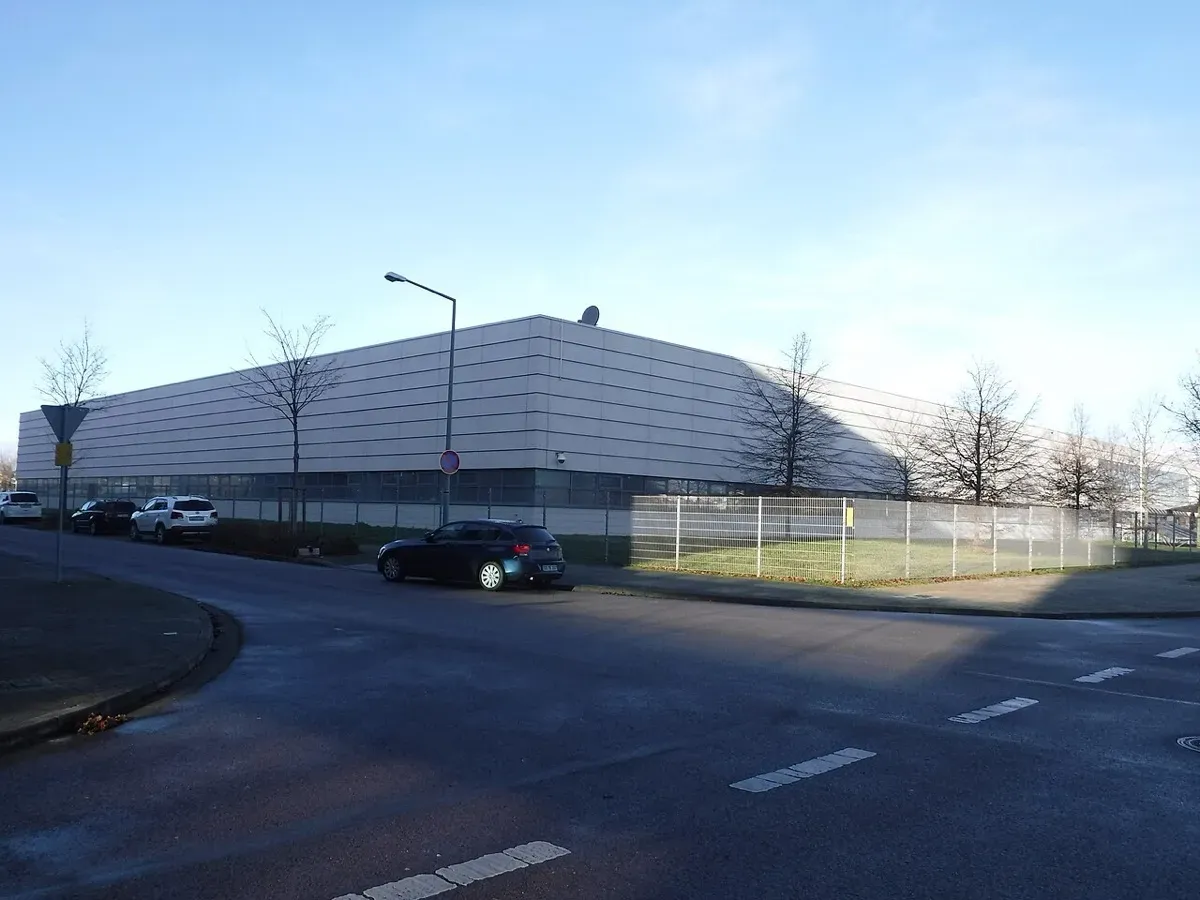
Energy · Solar energy
Most of the surface area of our buildings cannot carry heavy glass solar panels: weak roofs, curved surfaces and tall concrete facades.
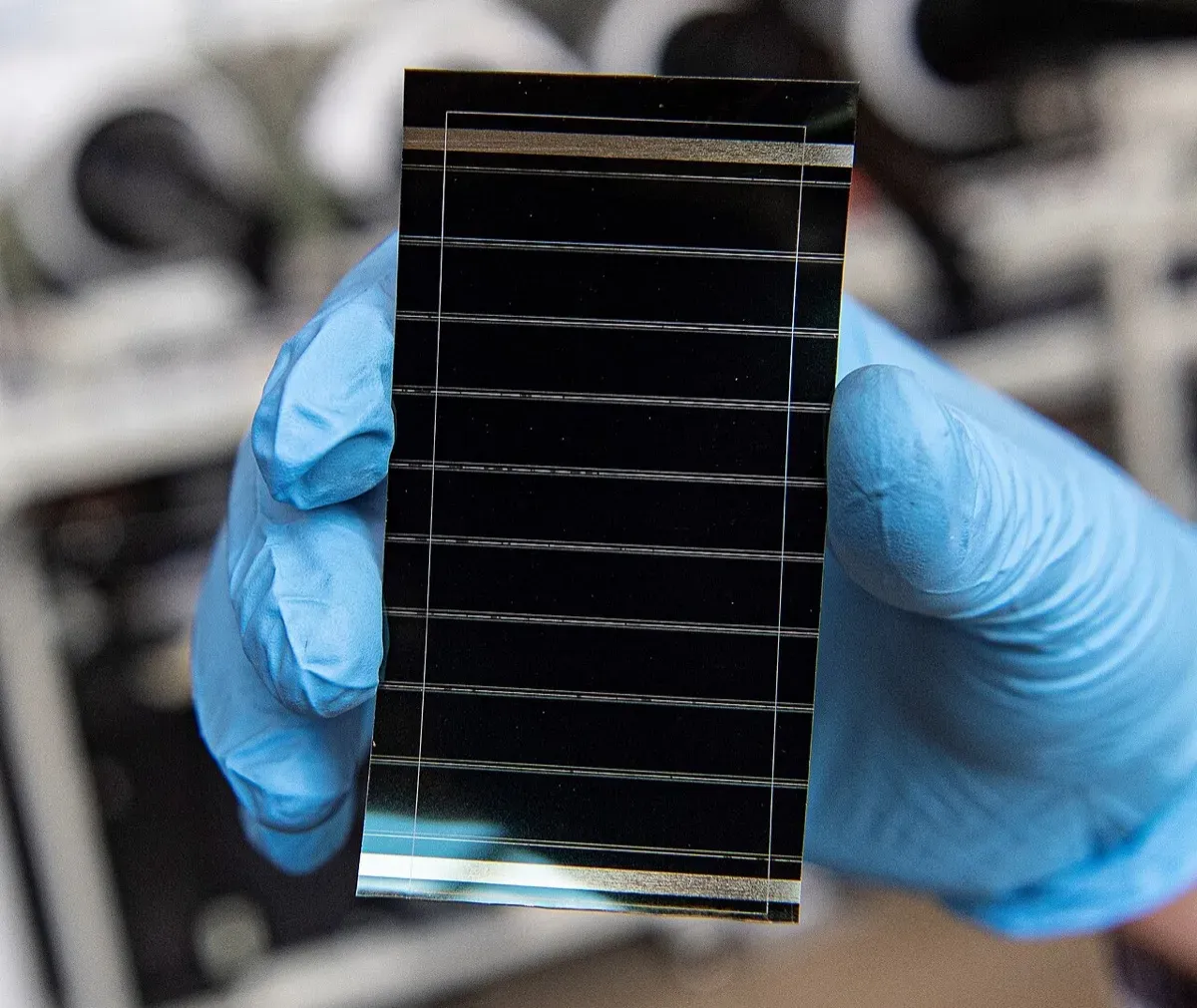
Energy · Solar energy
Silicon solar panels are close to their practical efficiency limit, so the industry is looking for a second layer that can harvest more of the sun's spectrum.
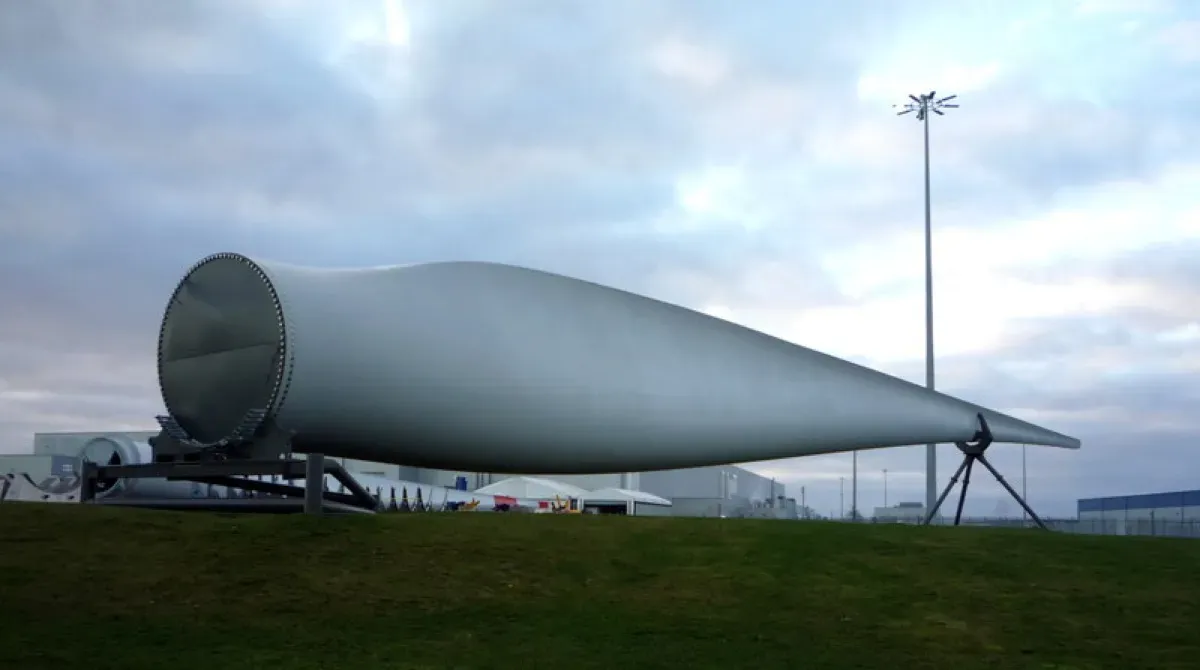
Energy · Wind energy
Wind turbines are mostly steel, copper and concrete that can already be recycled, but their giant composite blades have usually been cut up and buried or burned.
Materials science · Circular economy
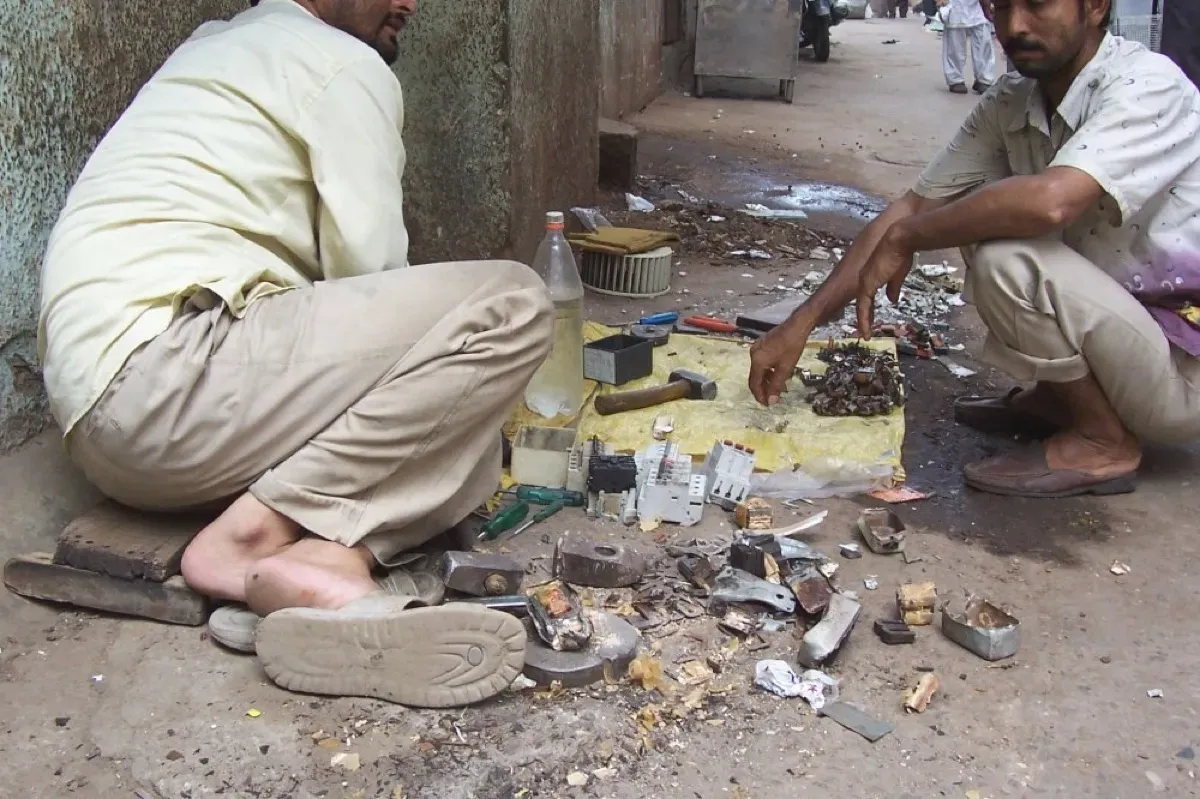
India generated almost 14 lakh tonnes of e-waste in 2024 to 25, and its electric vehicle boom will soon add a wave of spent lithium-ion batteries.
Materials science · Circular economy
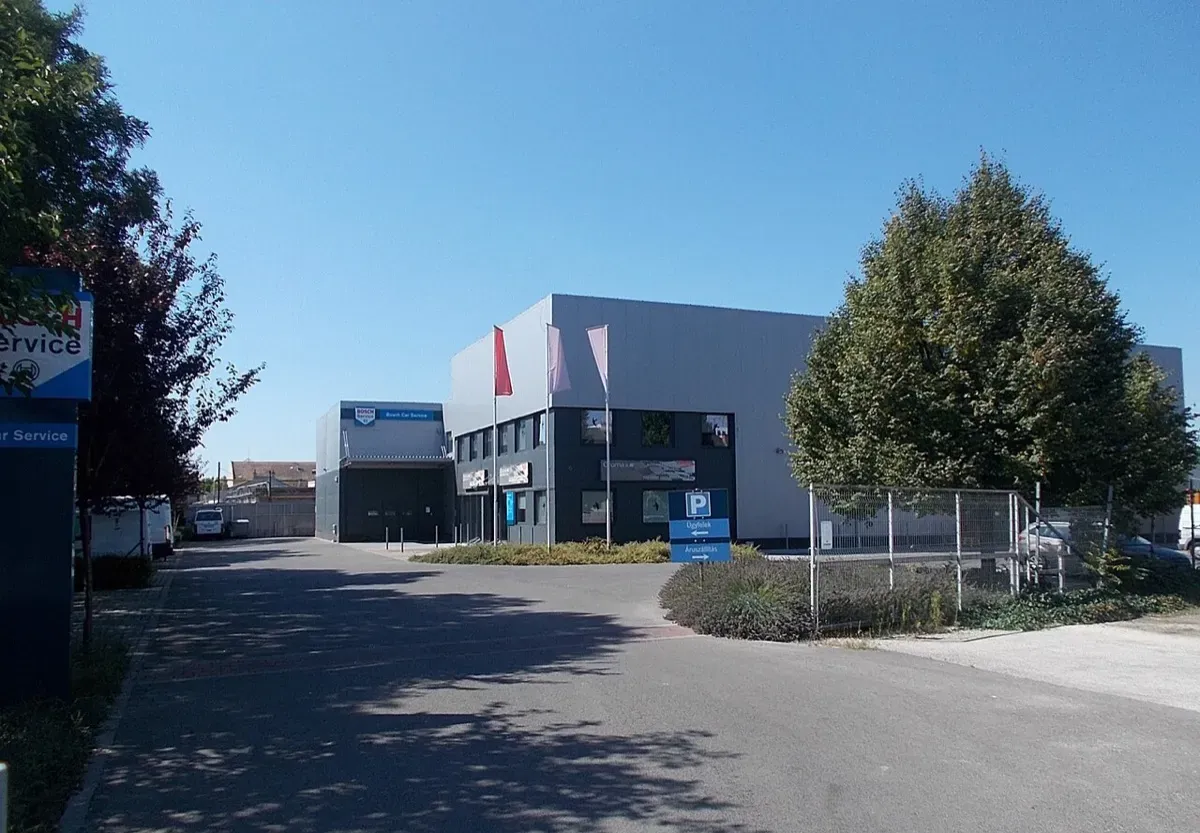
Every year millions of starters, alternators and steering systems are replaced in European workshops, and most of the metal in them is still perfectly good.

Materials science · Circular economy
Most smartphones are replaced after a few years, and the cobalt, gold and rare earths inside them are rarely recovered.
Materials science · Circular economy
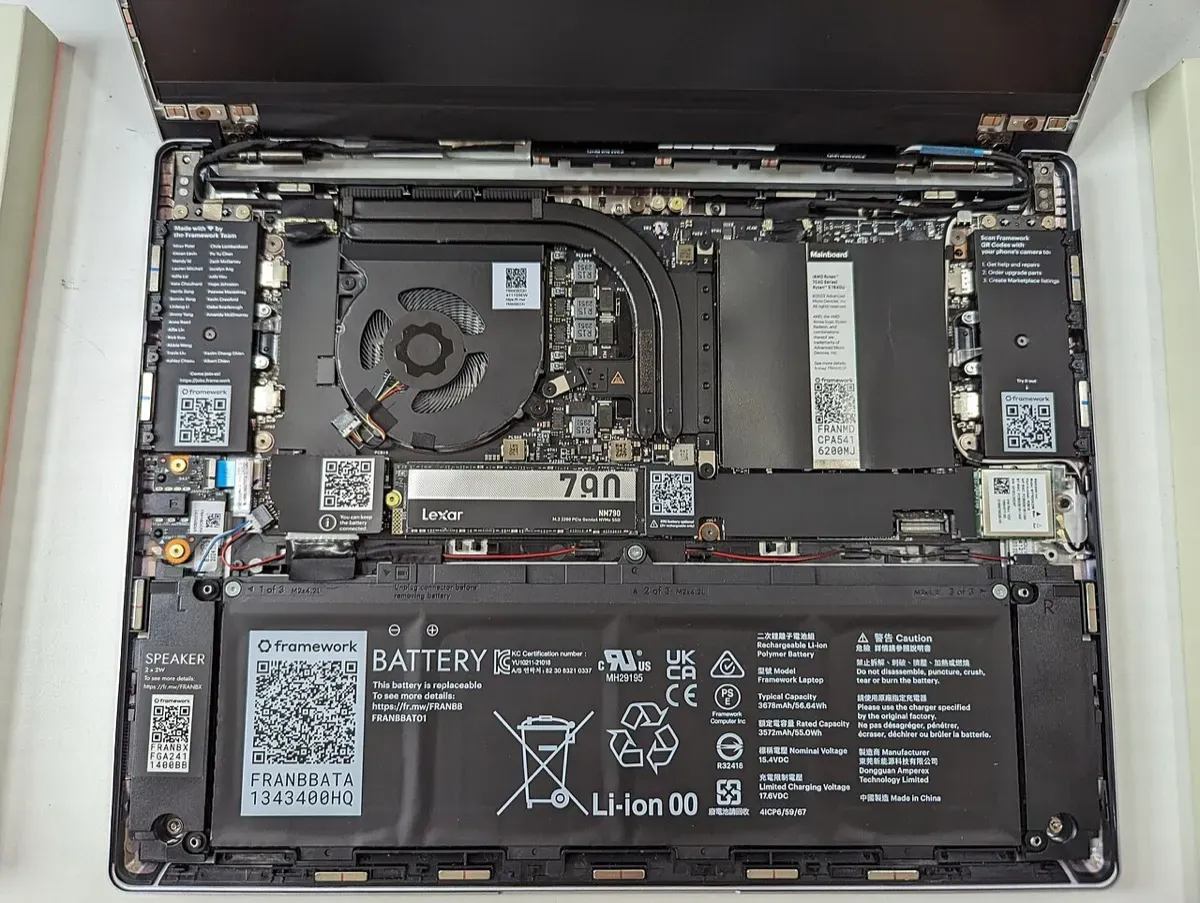
Most laptops are replaced when one part ages: a slow processor, too little memory or a tired battery.

Materials science · Circular economyAbout SHIFT
Repairable phones have usually forced a trade-off: screws instead of glue meant little protection from water and dust.
Materials science · Circular materials
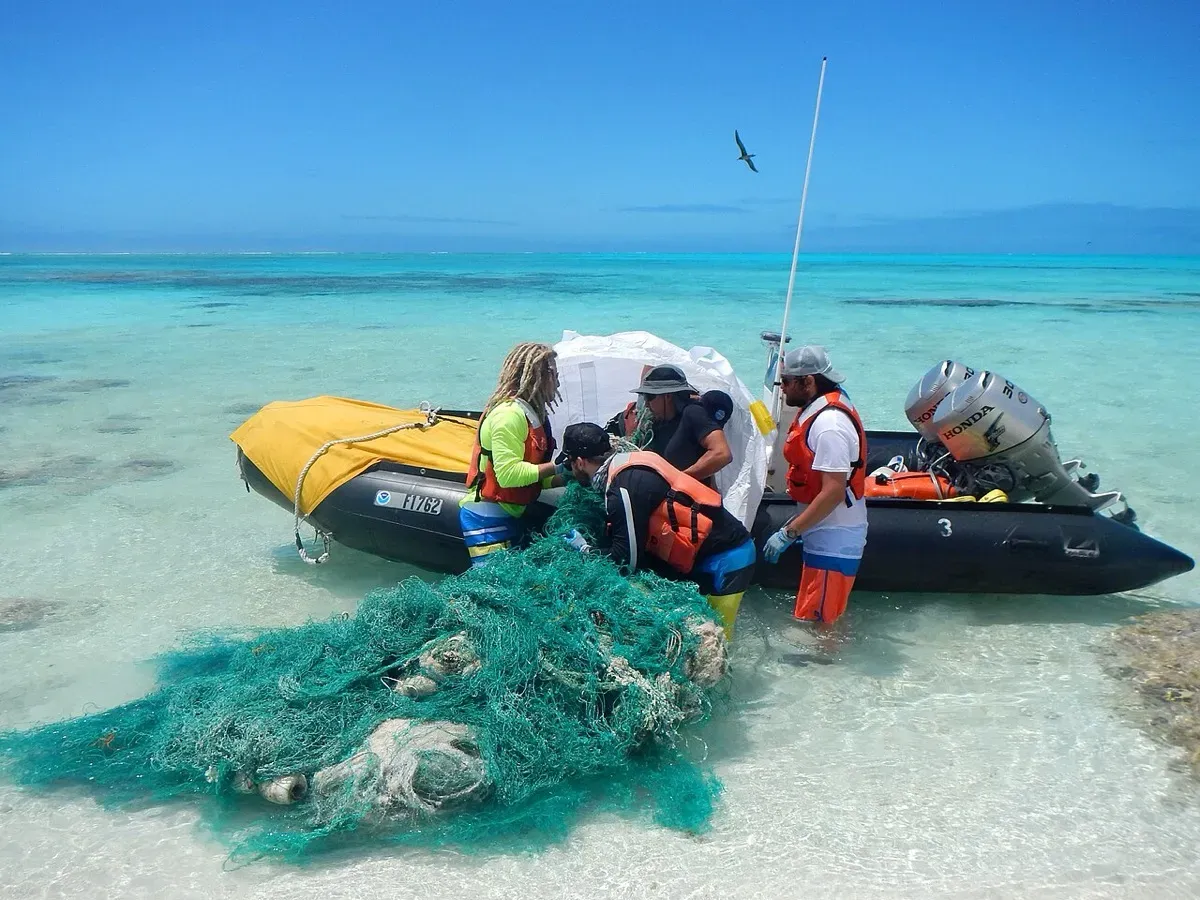
Nylon is in our carpets, swimwear, jackets and car seats, yet almost all of it is made from oil and ends up burned or landfilled.
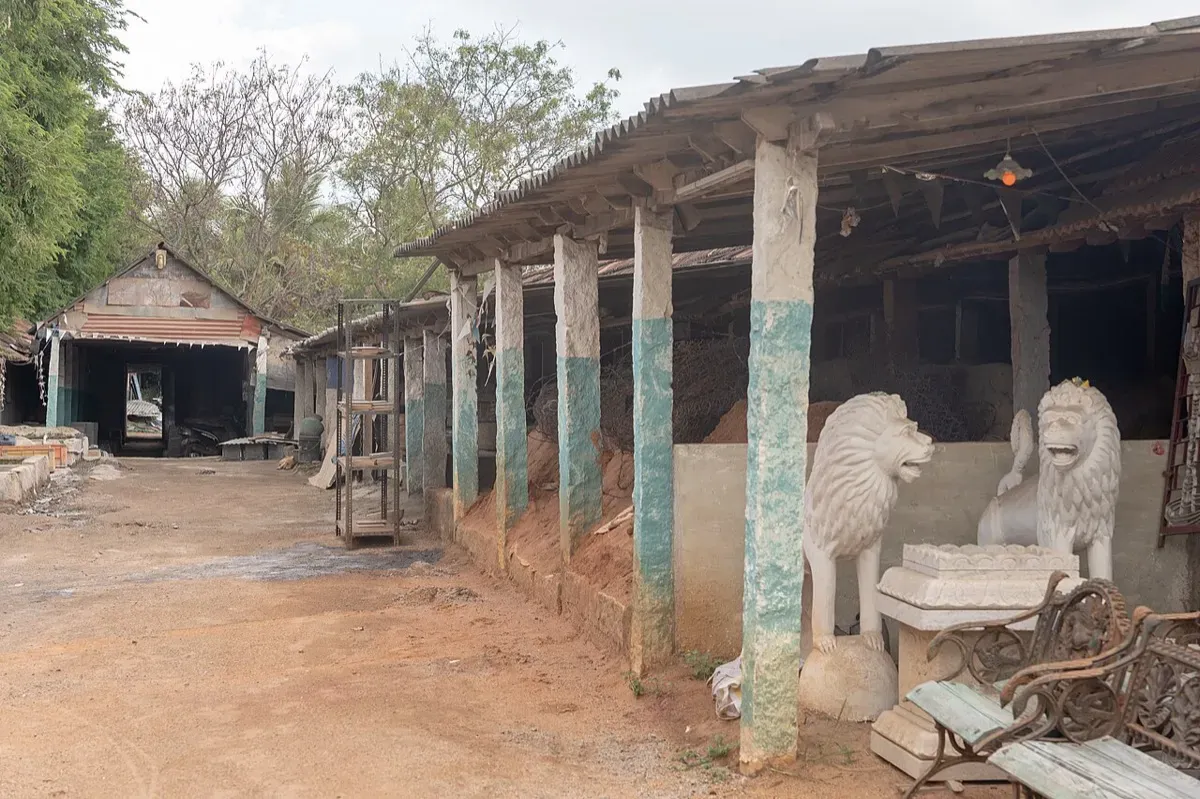
Materials science · Circular materials
India's building boom produces mountains of construction debris and relies on kiln-fired bricks and tiles that add to the country's air pollution.
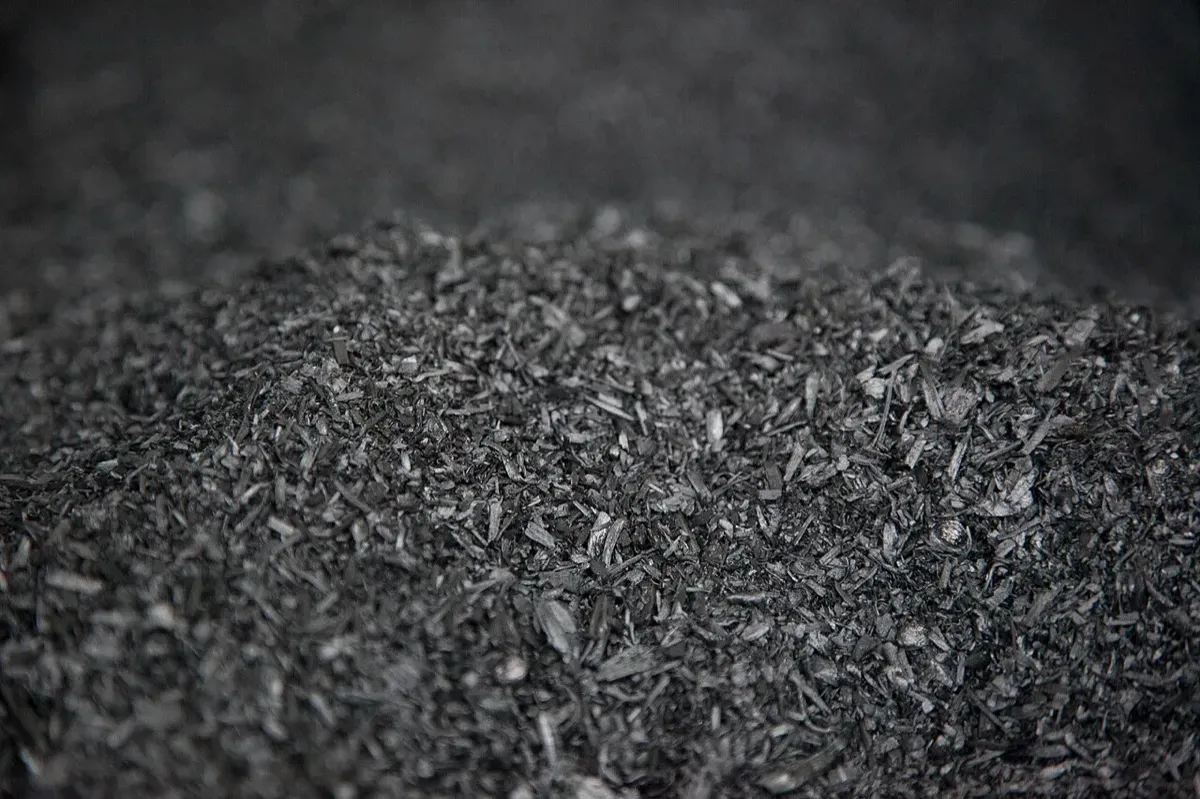
Materials science · Circular materials
Building materials such as aluminium, steel and cement are responsible for a large share of the world's emissions before a building is even used.
Materials science · Circular materials
Most "paper" takeaway boxes and cups hide a thin plastic lining that makes them hard to recycle and impossible to compost at home.
Materials science · Circular materials
Thin plastic films are everywhere in retail and e-commerce, yet very little of them is ever recycled.
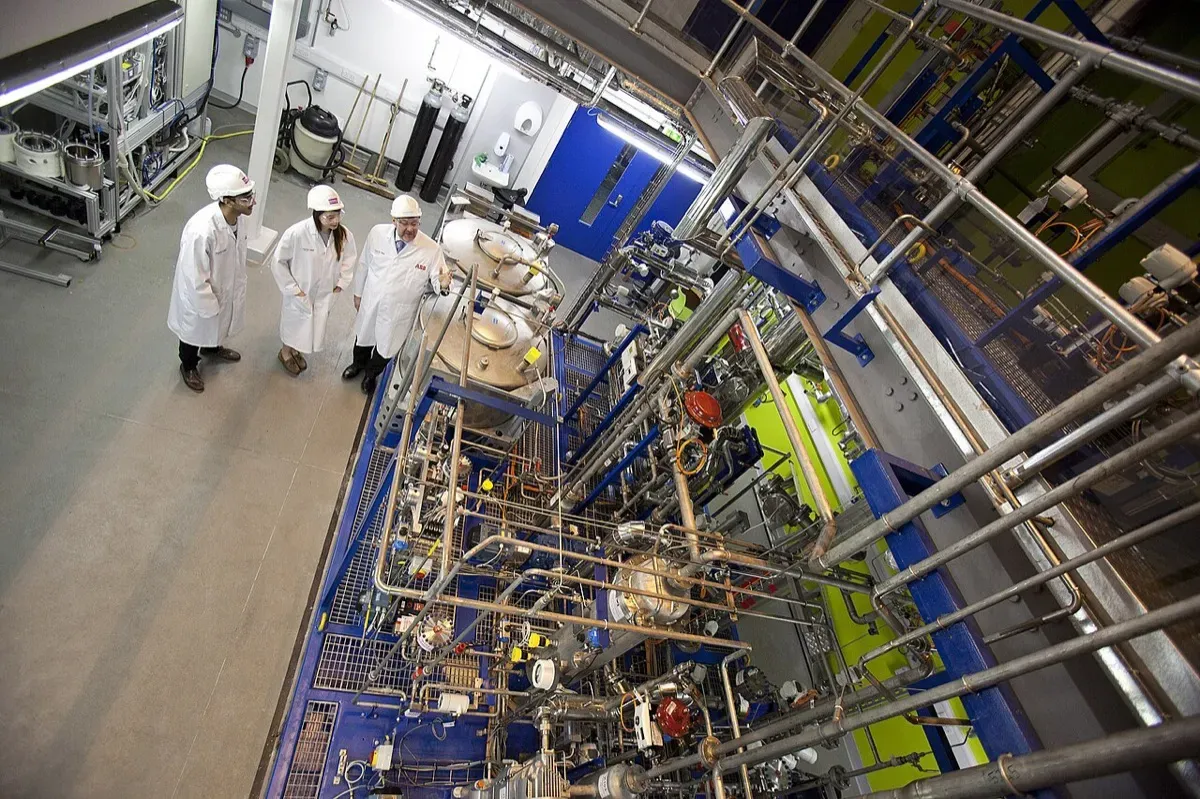
Materials science · Low carbon industryAbout Carbon Clean Solutions
Conventional carbon capture plants are dominated by absorber and stripper columns that can tower dozens of metres high and take years to build.
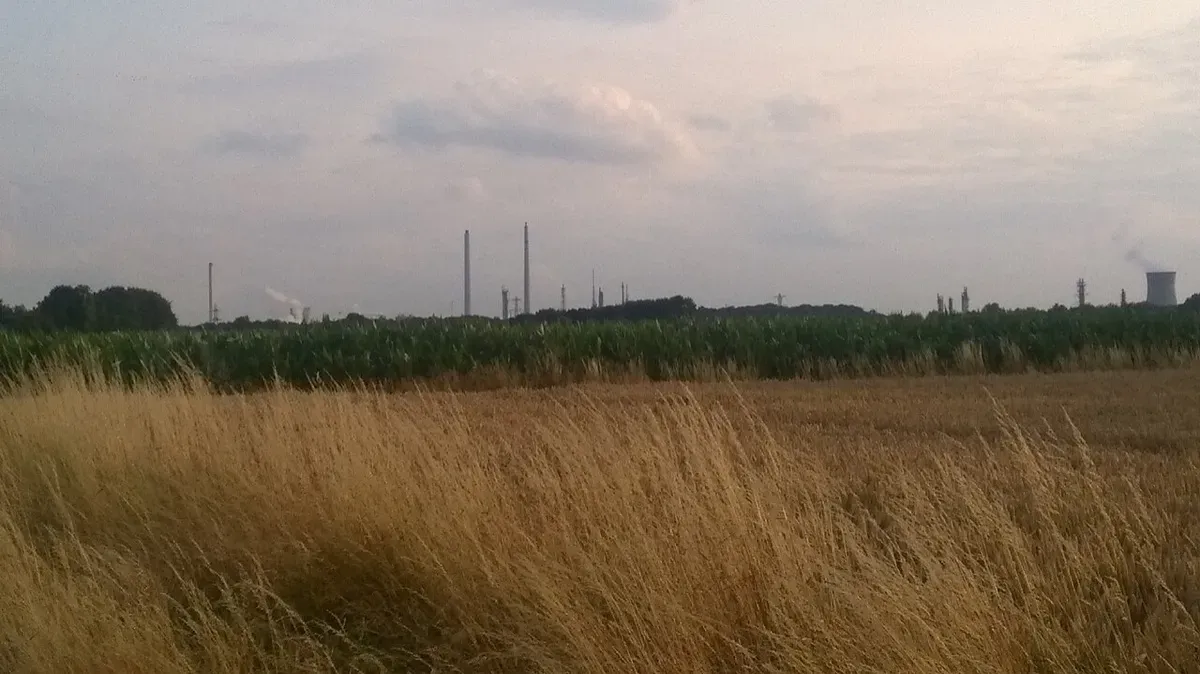
Materials science · Low carbon industry
Most of heavy industry's emissions come from burning coal, gas and oil to make high-temperature heat, a job that ordinary electric heaters cannot do.
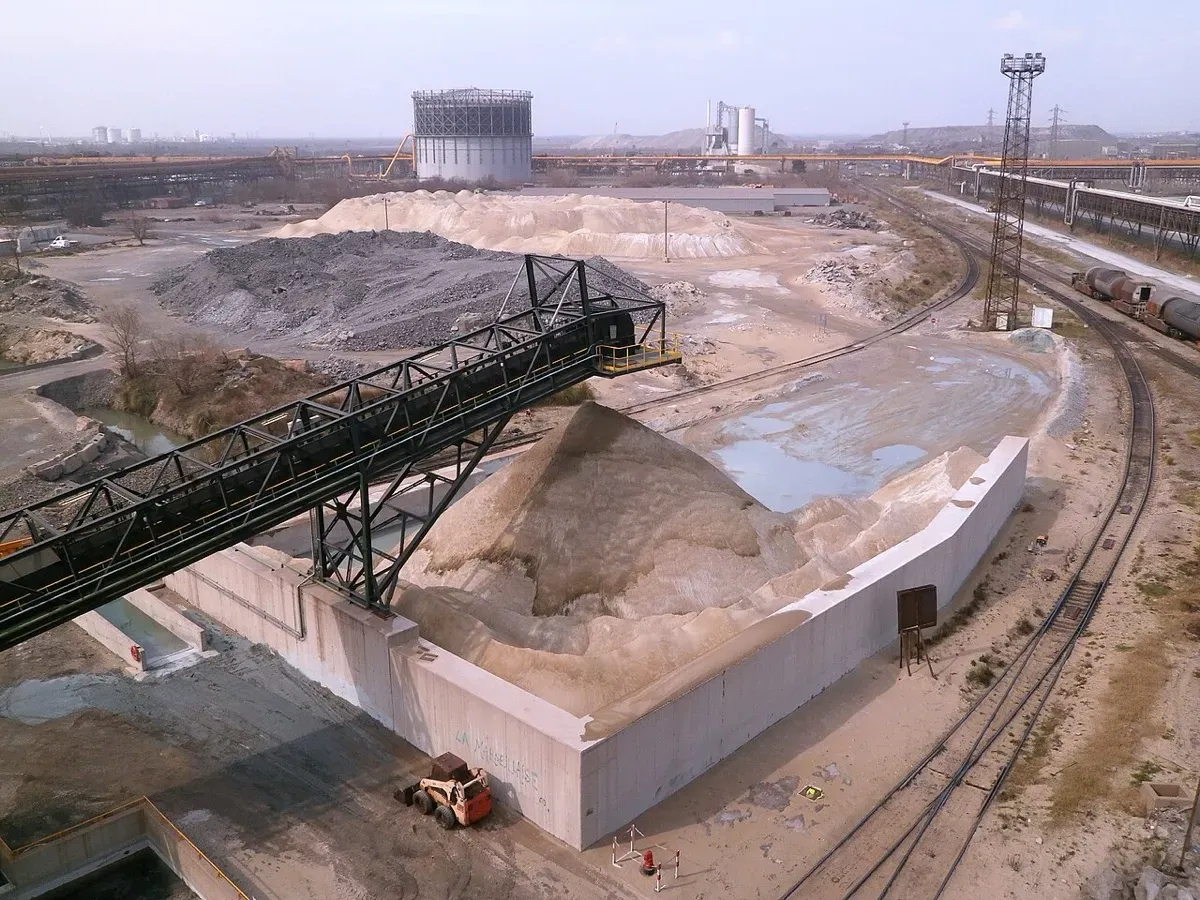
Materials science · Low carbon industry
Cement is responsible for around 8% of global CO2 emissions, mostly from making clinker in giant kilns.
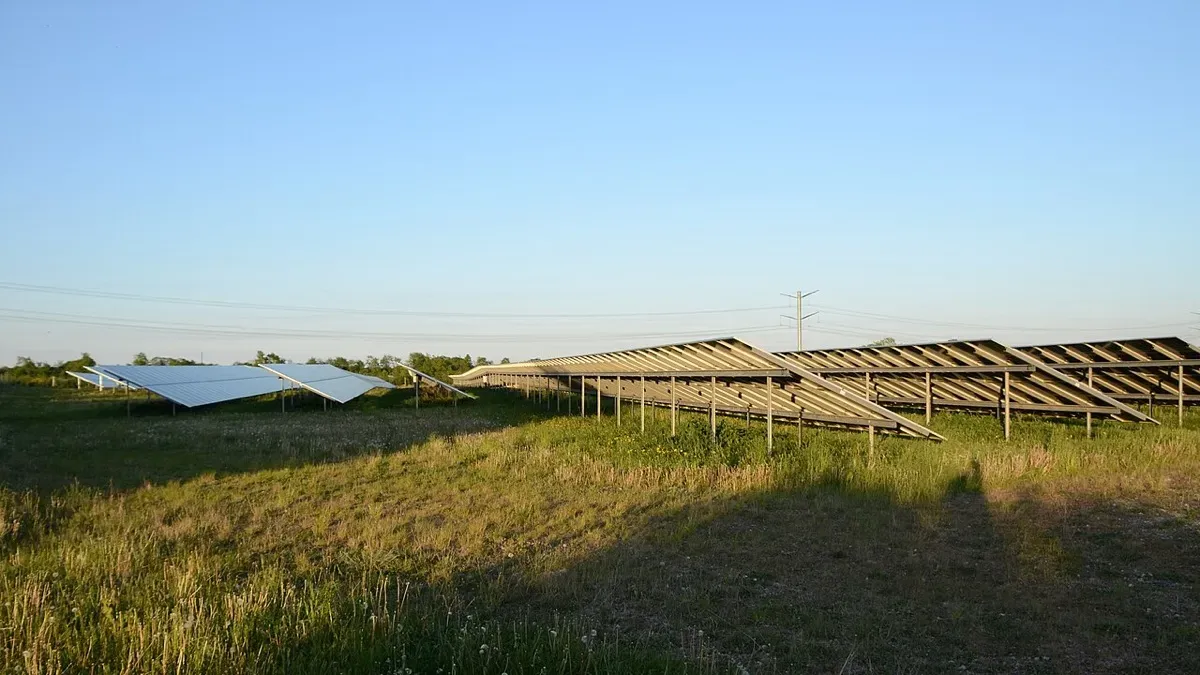
Materials science · Low carbon industry
More than 100 million tonnes of methanol are made every year, almost all of it from natural gas and coal, and it ends up in plastics, paints, fuels and ships' tanks.
Materials science · Low carbon industry
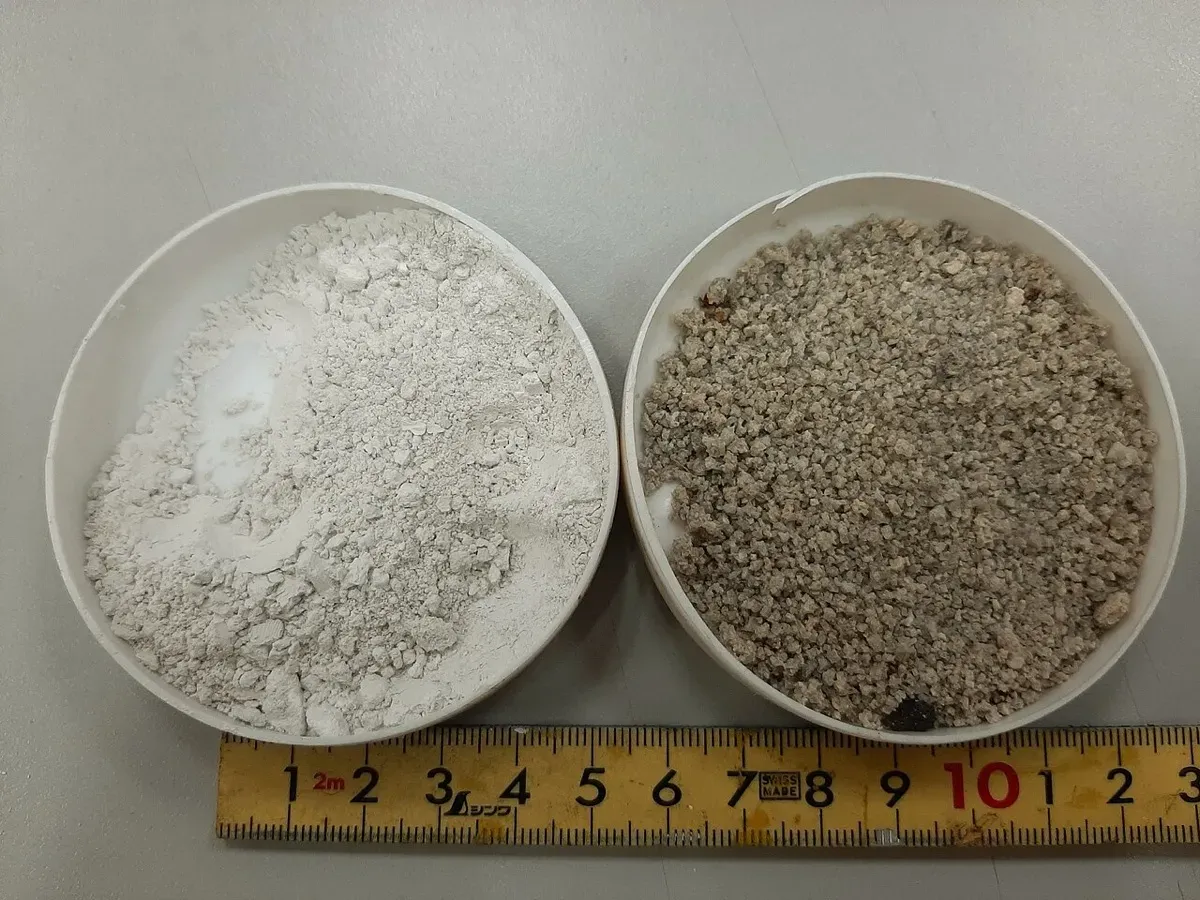
Every tonne of ordinary cement releases several hundred kilograms of CO2, mostly from baking limestone into clinker.
Materials science · Recyclable products
Retort pouches, the foil-lined packs used for wet cat food, ready meals and microwave rice, are cooked inside the pack and keep food safe for months without a fridge.
Materials science · Recyclable products
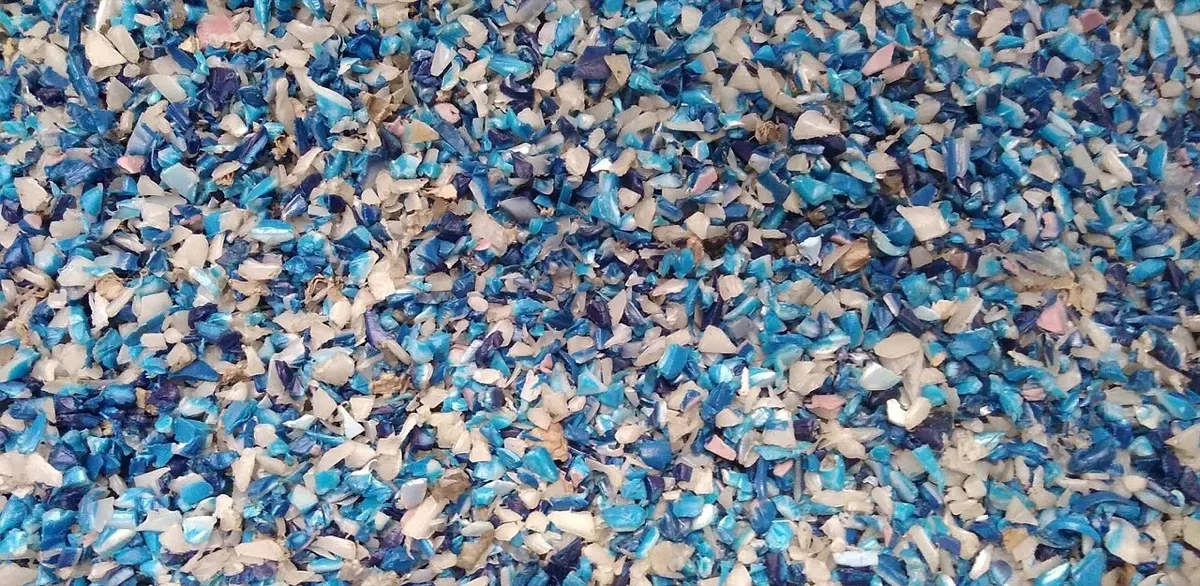
Most of India's plastic recycling happens in small, informal units that turn used bottles into low-grade granules for buckets and pipes.
Materials science · Recyclable products
Crisp packets, coffee pouches and shampoo sachets are light and cheap, but most are glued-together layers of different plastics and foil that no recycler can separate.
Materials science · Recyclable products
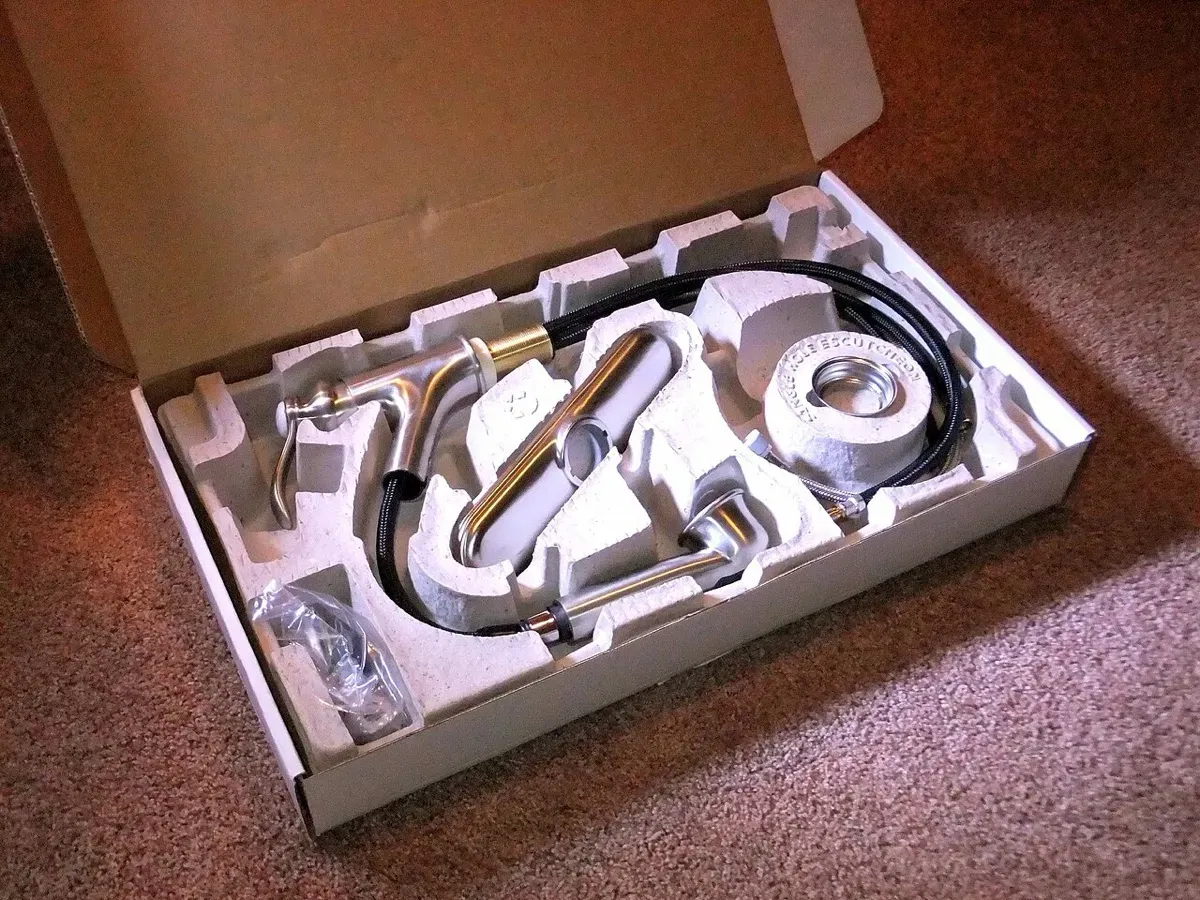
Paper bottles have been "a year away" for most of a decade.
Materials science · Recyclable products
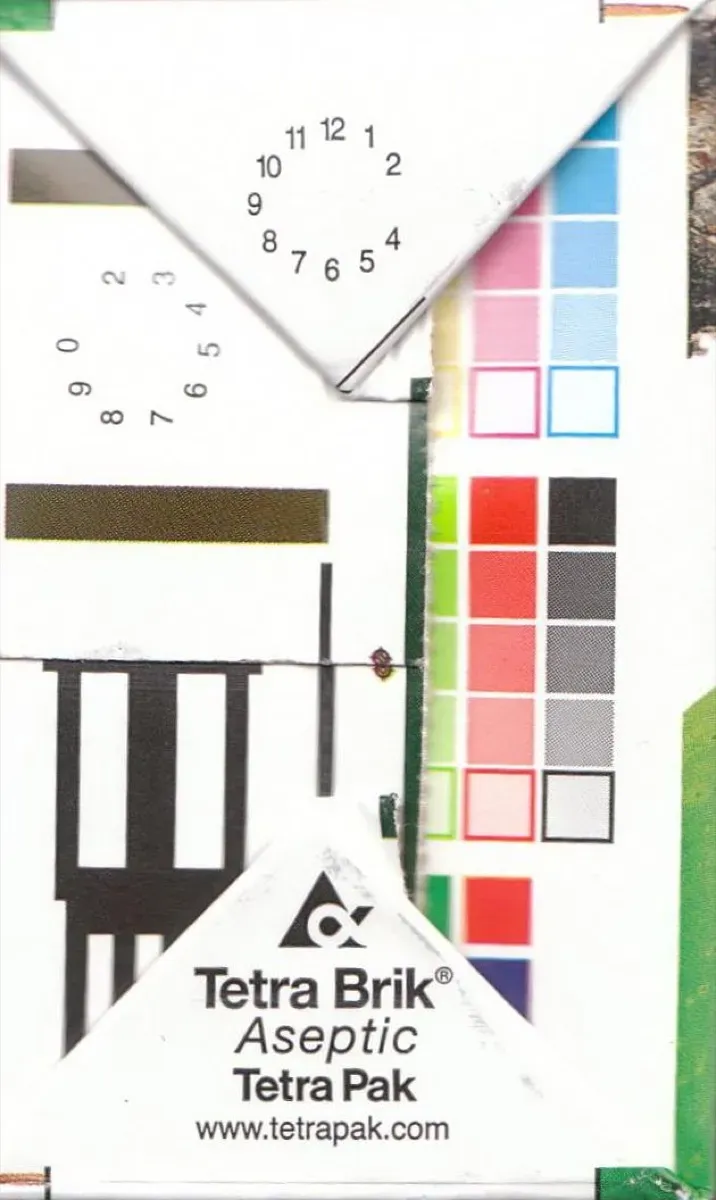
Long-life milk and juice cartons owe their shelf life to a layer of aluminium foil thinner than a human hair, and that foil is one reason cartons are hard to recycle.
Materials science · Reusable products
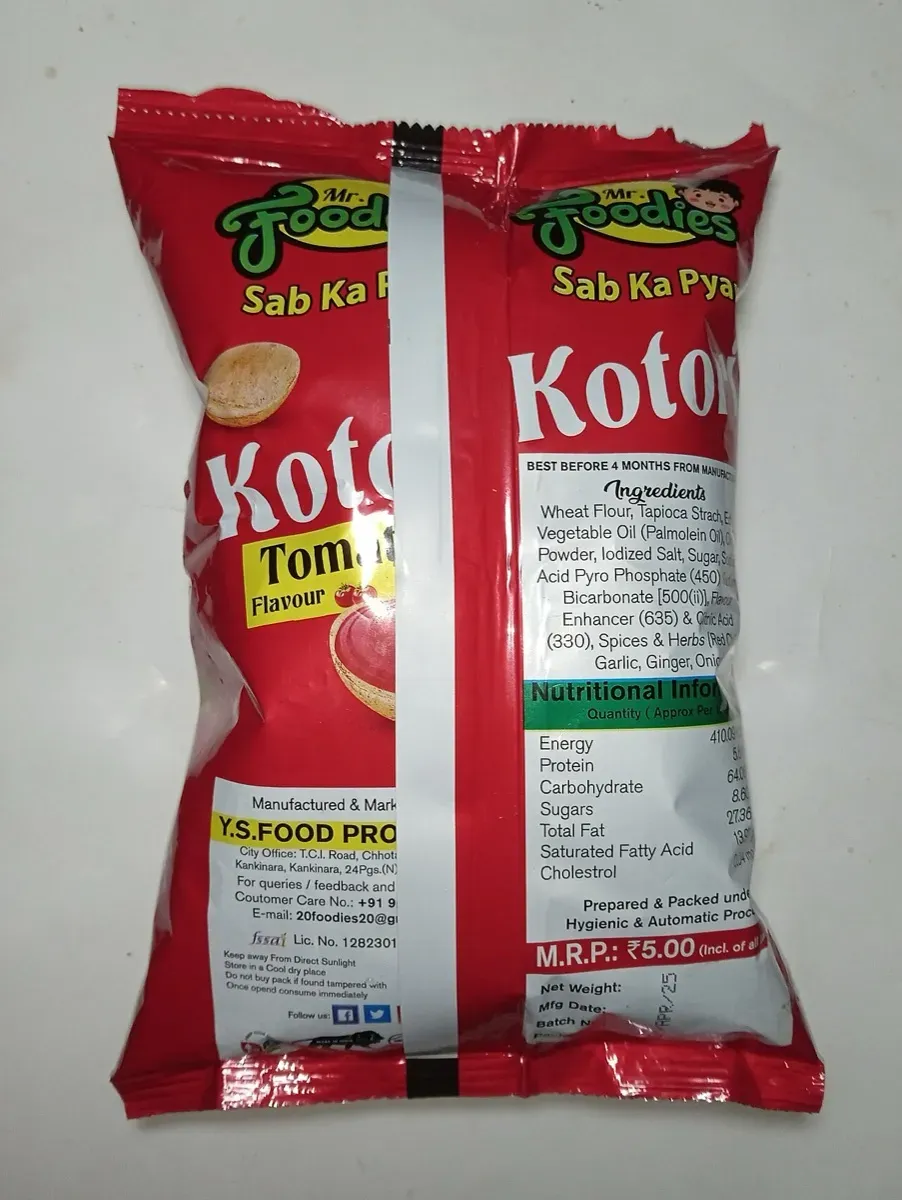
Chip packets are among the hardest plastics to recycle, and a deodorant stick is usually thrown away every two months.
Materials science · Reusable products
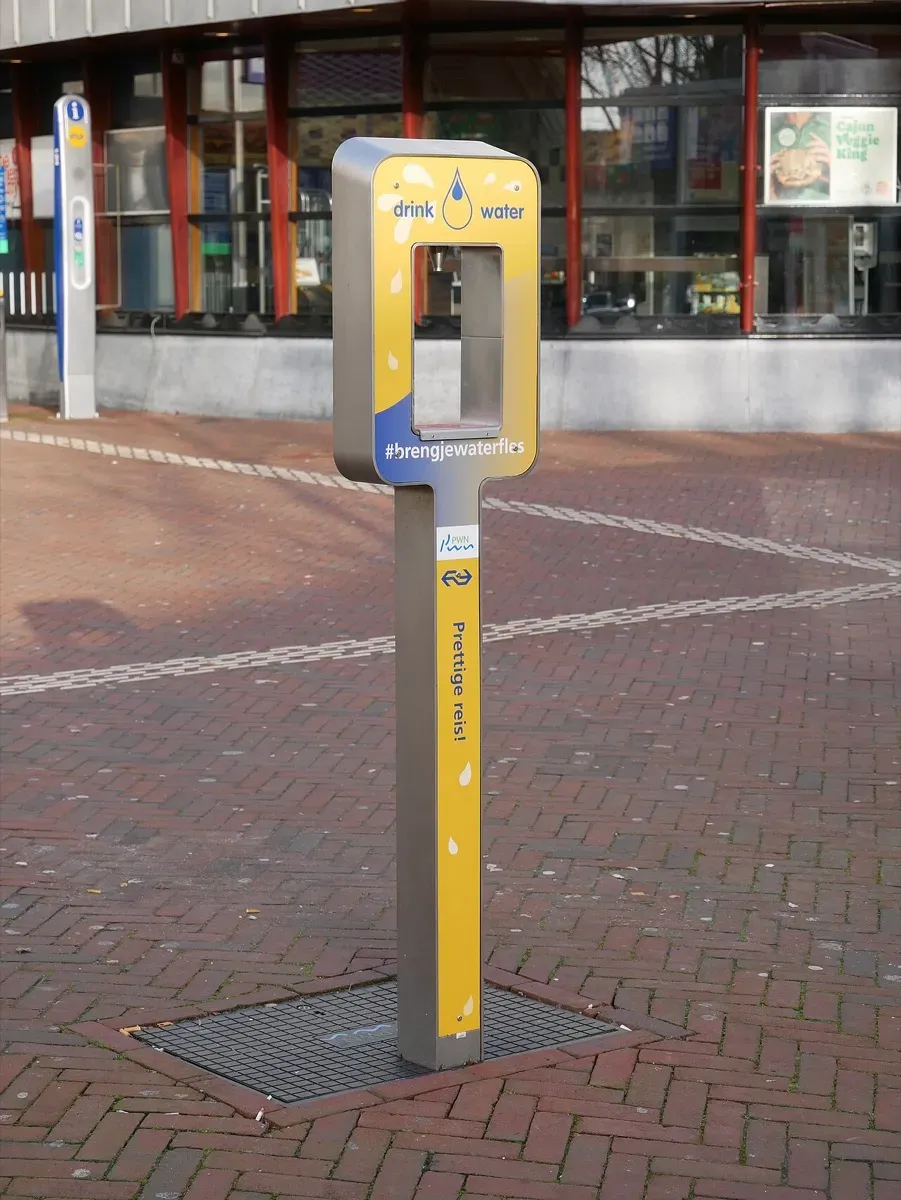
Europe sells billions of bottles of water each year, most in single-use plastic, even where tap water is safe to drink.
Materials science · Reusable products
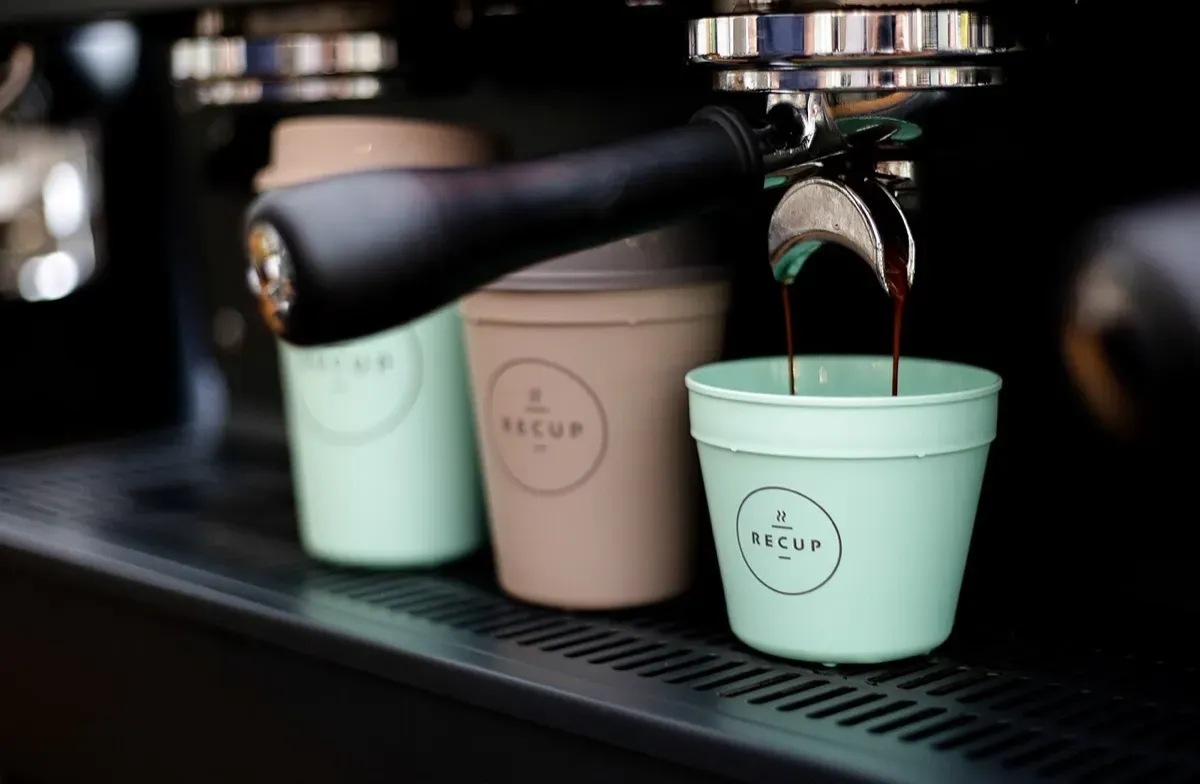
A coffee-to-go cup is used for a few minutes and then thrown away. Germany throws away about 13 billion single-use takeaway packs a year.

Materials science · Reusable products
Zip-top plastic bags are one of the most common single-use items in the kitchen: they hold a sandwich or leftovers once and then go in the bin.

Materials science · Reusable products
Most reuse systems ask customers to pay a deposit, which puts many people off. Cologne start-up Vytal lends its bowls and cups for free and uses a QR code on each one to know who has it.
Materials science · Sustainable textiles
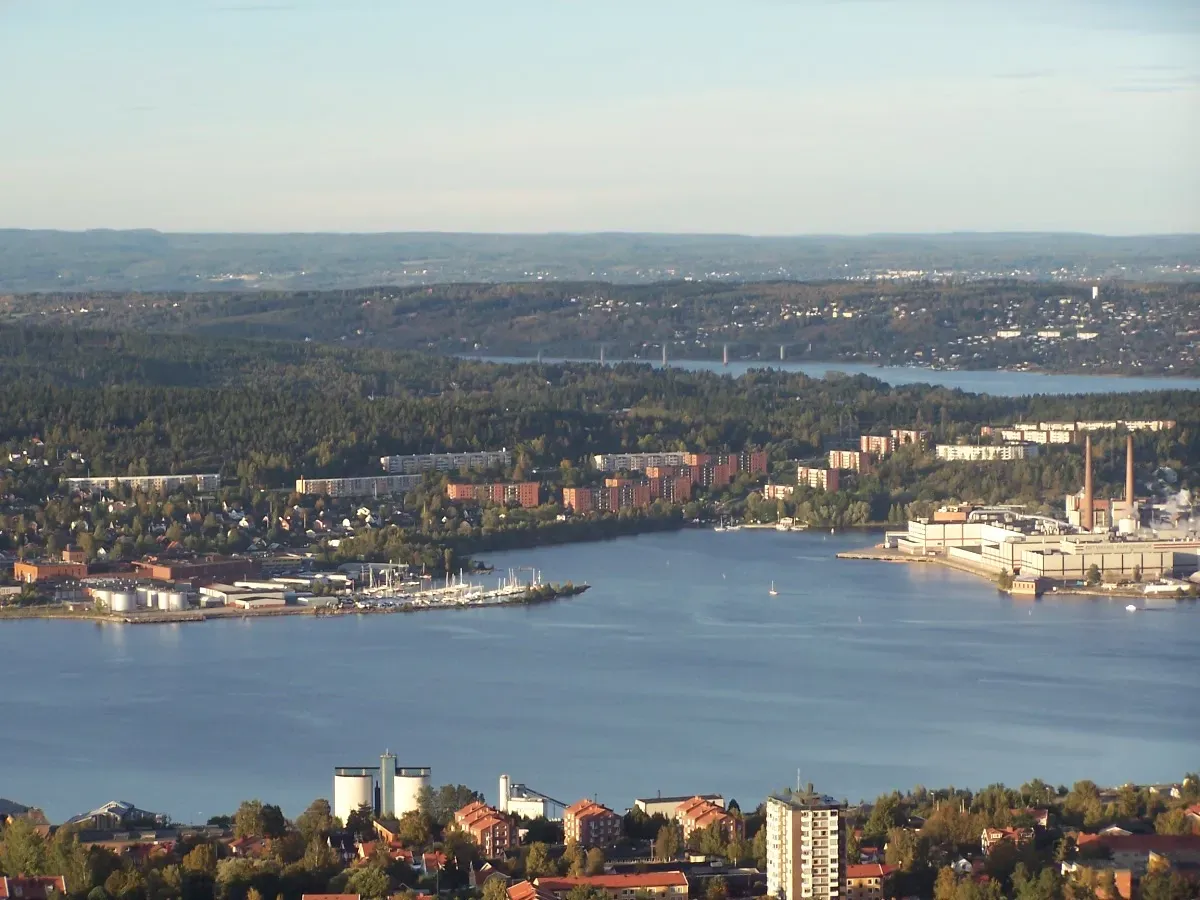
Sweden built the world's first commercial-scale plant to turn worn-out cotton clothes into pulp for new fibre, and then watched its owner go bankrupt.
Materials science · Sustainable textiles
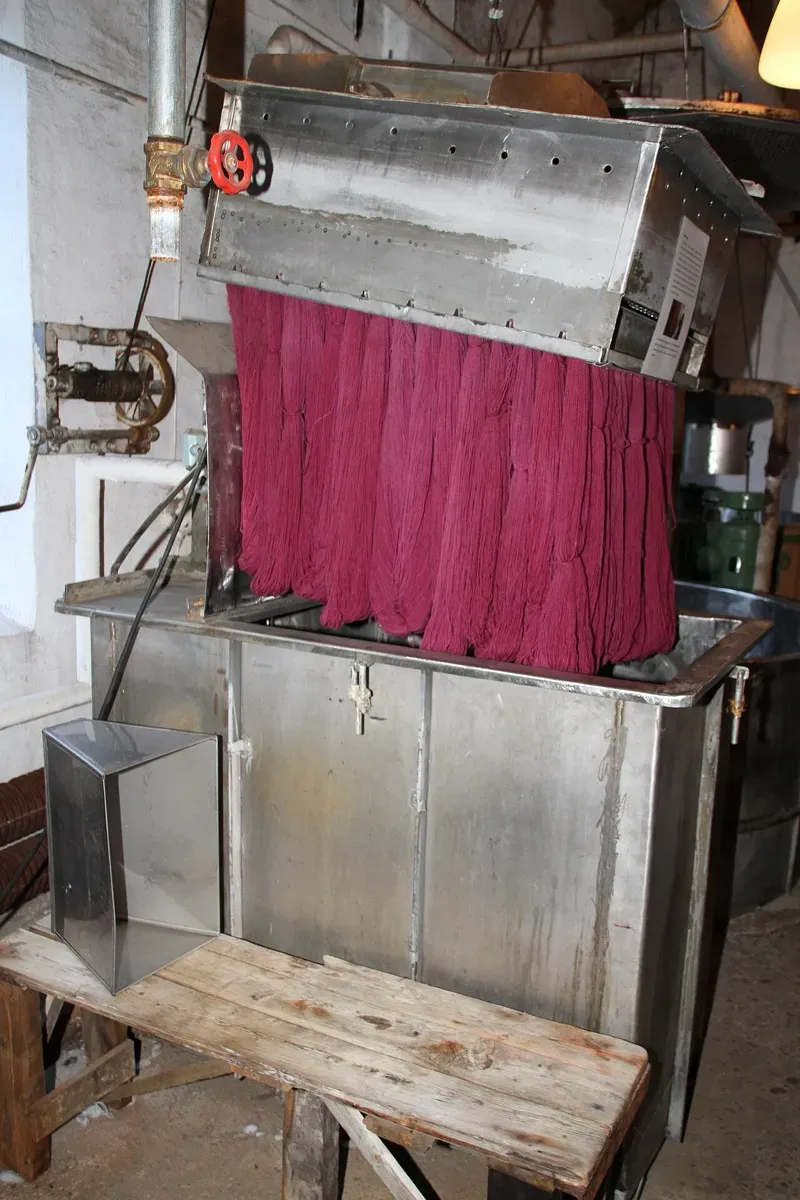
Dyeing fabric is one of the dirtiest steps in making clothes, using large amounts of water, energy and chemicals that often end up in rivers.
Materials science · Sustainable textiles
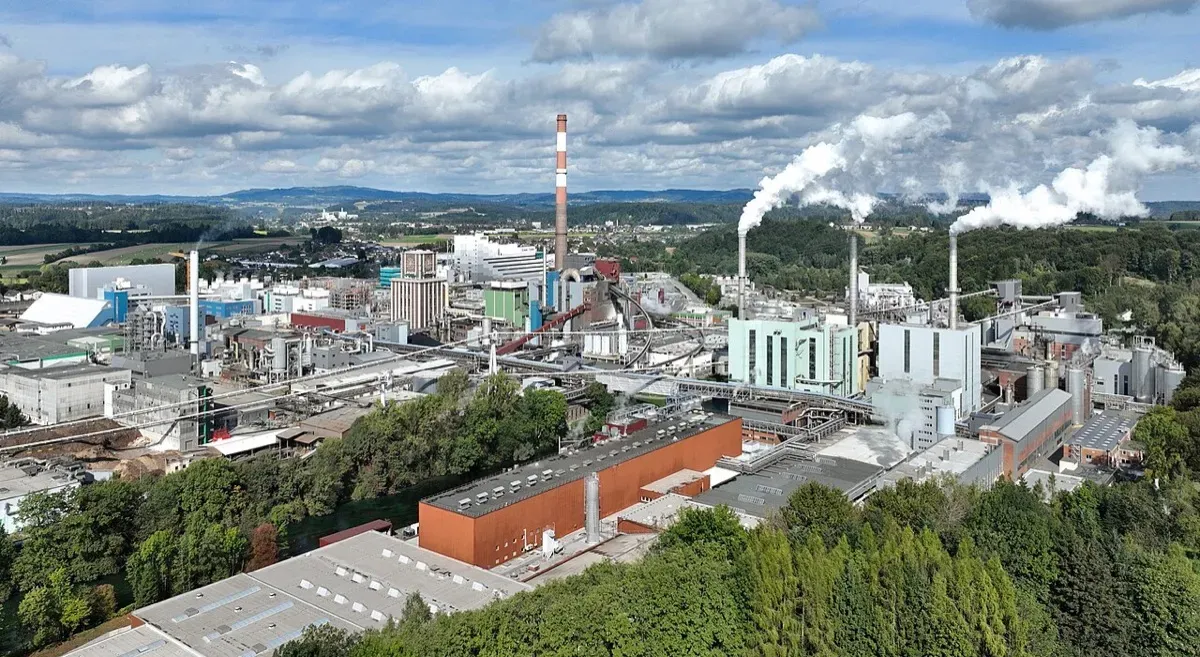
Every year the clothing industry throws away huge amounts of cotton scraps and worn-out garments, while cutting down trees to make new fibre.

Materials science · Sustainable textiles
India's garment factories throw away vast amounts of cotton cuttings, and its wardrobes produce even more waste.
Materials science · Sustainable textiles
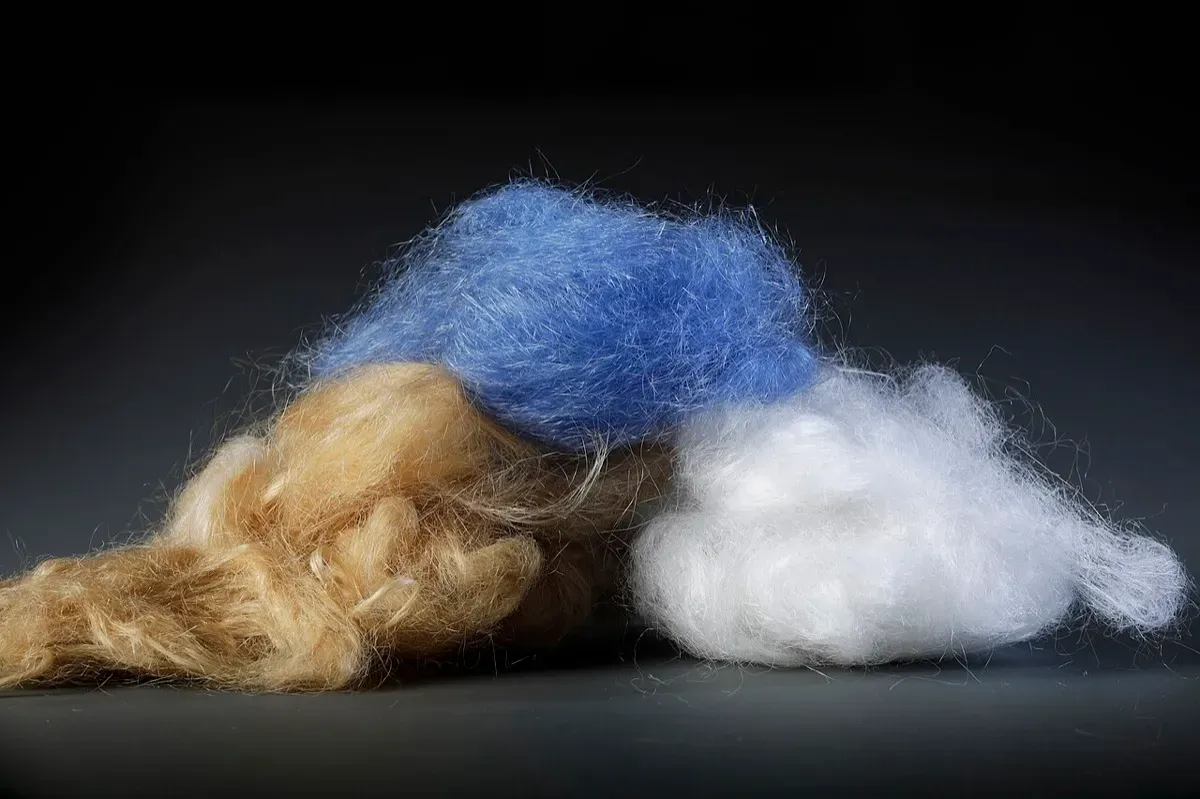
Most wood-based textile fibres, such as viscose and lyocell, are made by dissolving cellulose in chemicals and then regenerating it.
Materials science · Waste management
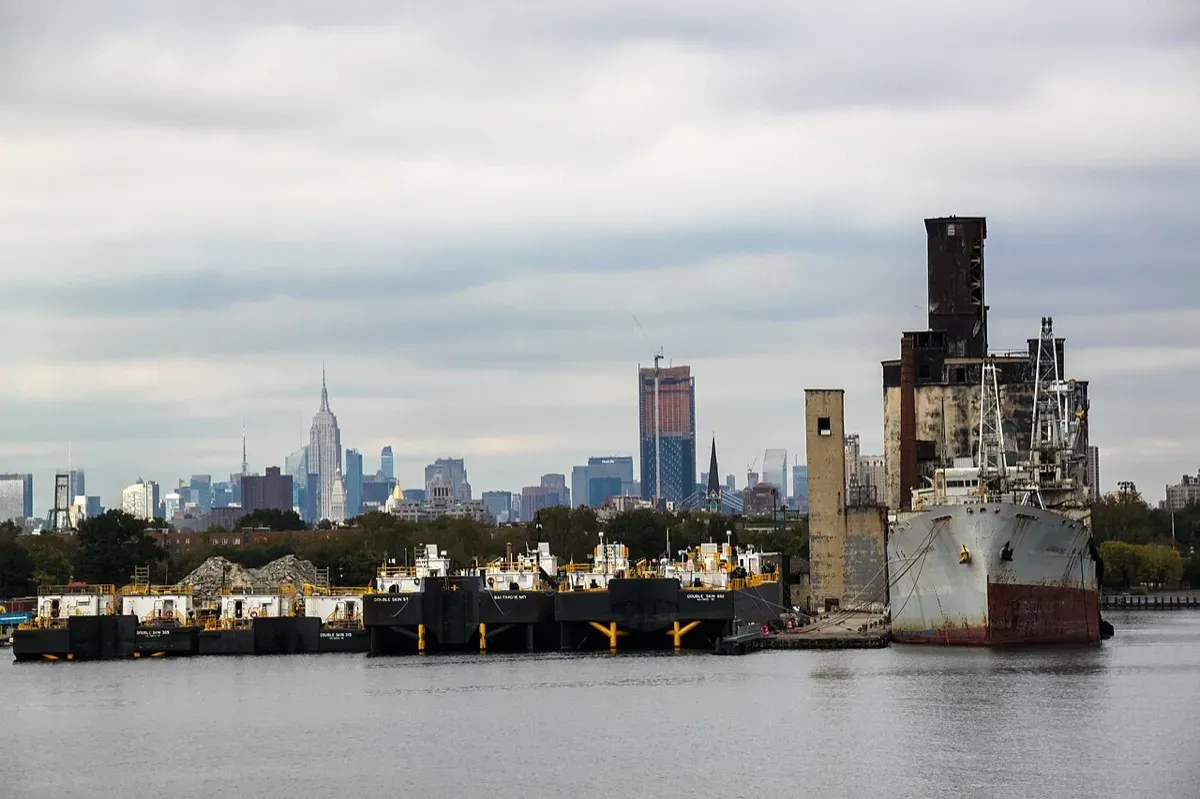
Most rubbish bags still go straight to landfill, even though they contain cans, bottles, card and food that could be recovered.
Materials science · Waste management
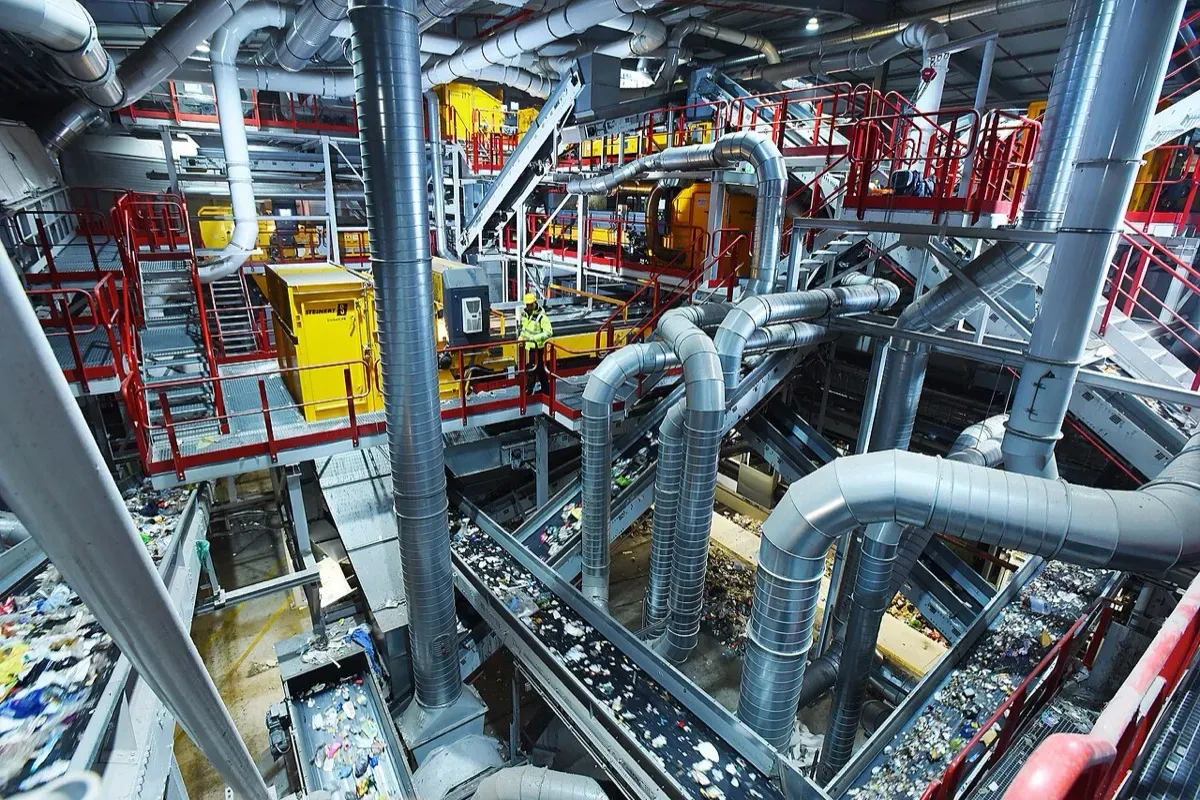
Recycling plants sort thousands of tonnes of mixed waste a day, yet most only check what they recover by hand-sampling a tiny share of it.
Materials science · Waste management
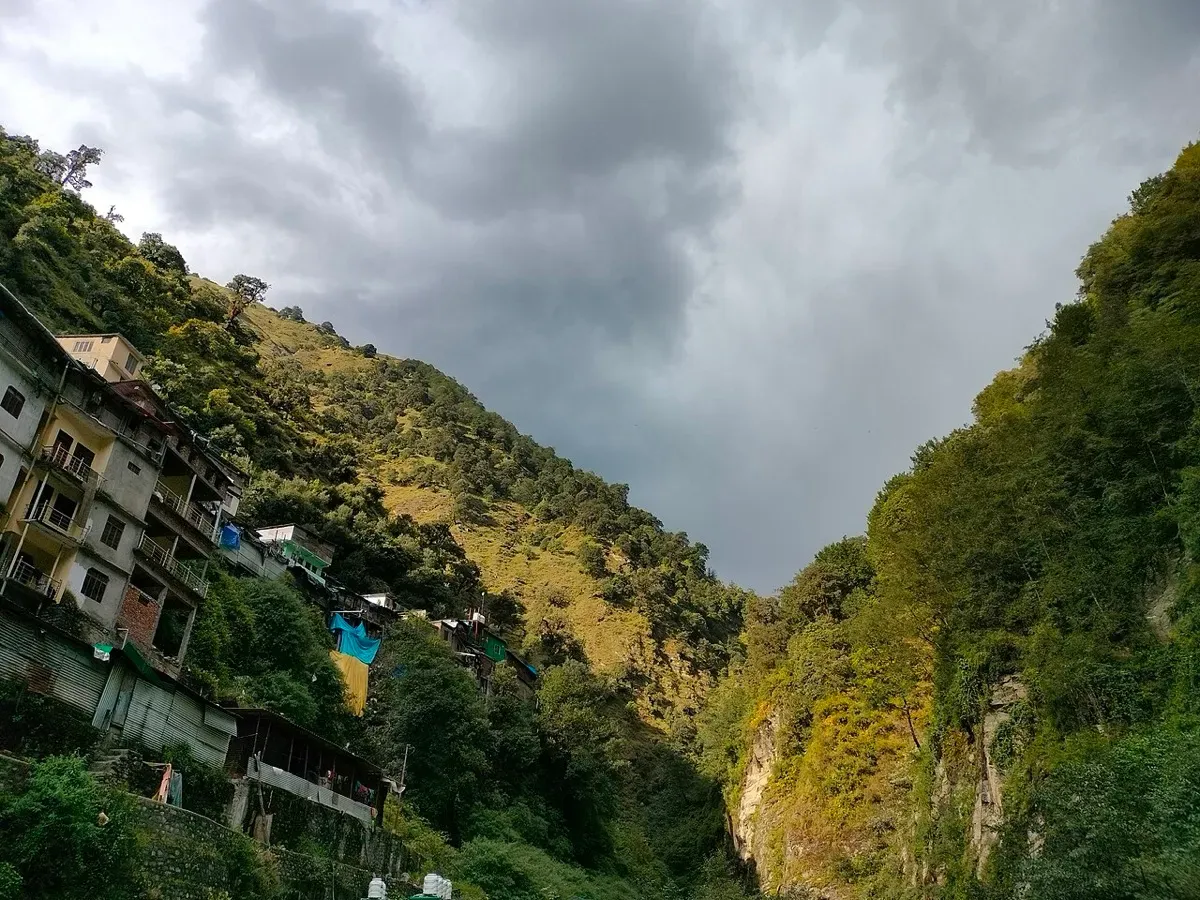
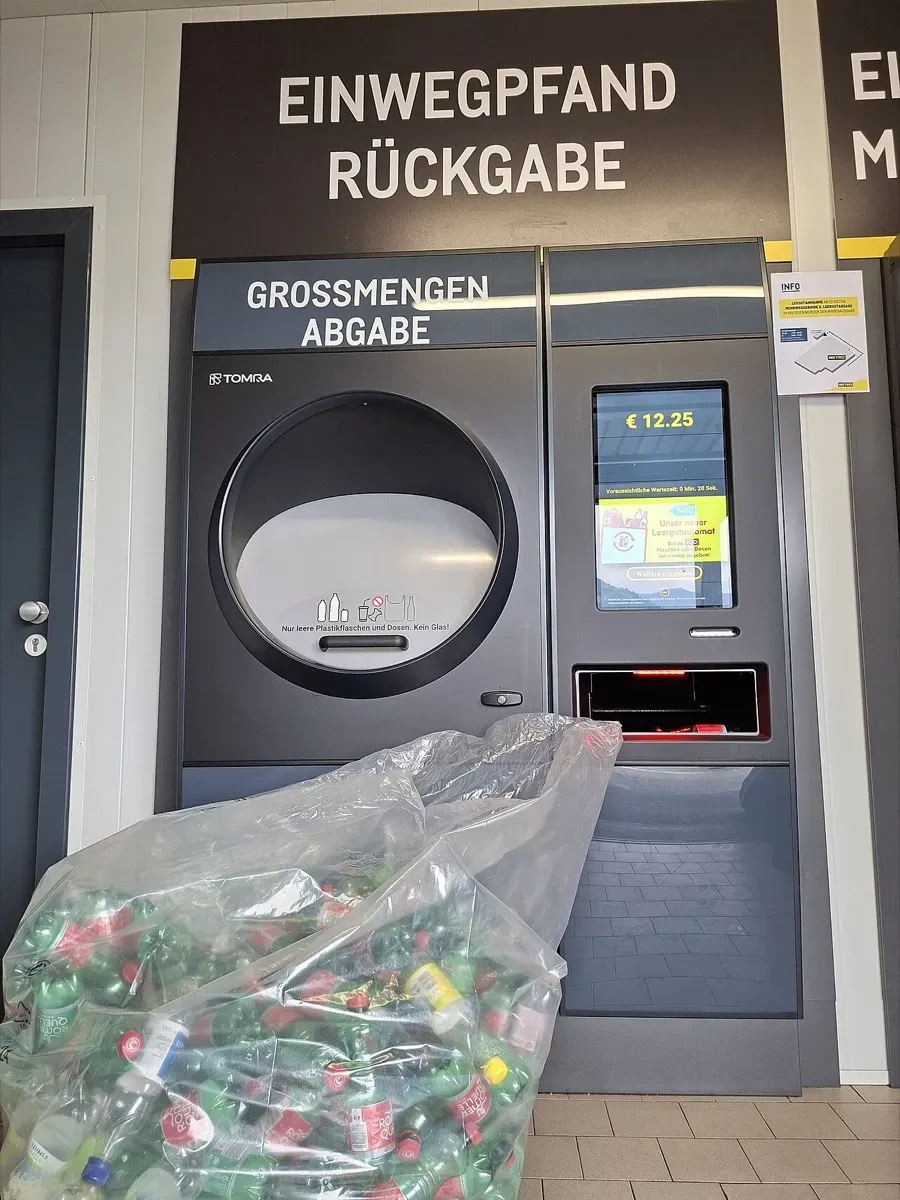
Europe's bottle-return machines work because every container carries a deposit. India has very few such schemes, and plastic piles up on pilgrim routes and beaches.
Materials science · Waste management
Deposit return systems get people to bring back bottles and cans, but feeding them into a machine one by one is slow and messy.
Materials science · Waste management
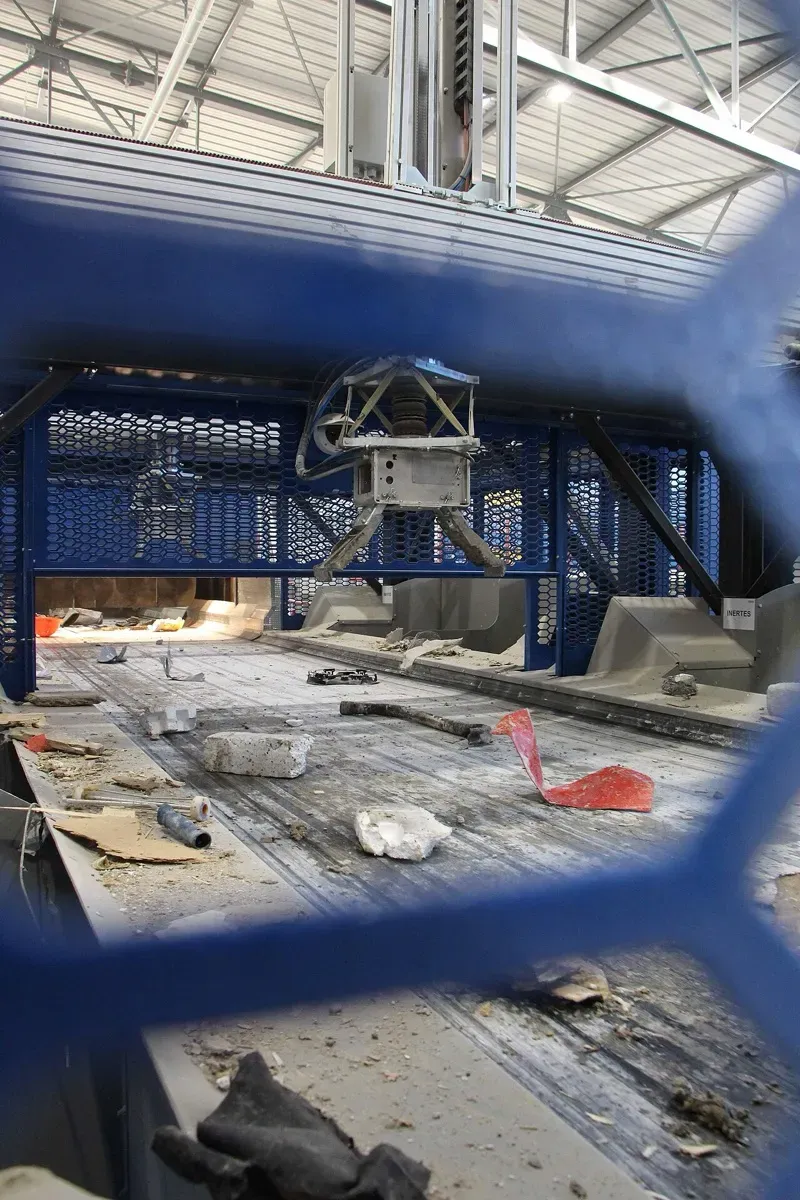
Construction and demolition waste is the heaviest waste stream in Europe, full of wood, metal, stone and plastics mixed together.

Green architecture · Green buildings
EcoCocon takes a waste product from wheat farms, compresses it into a timber frame and ships it as ready-made walls that meet Passive House standards.
Green architecture · Green buildings
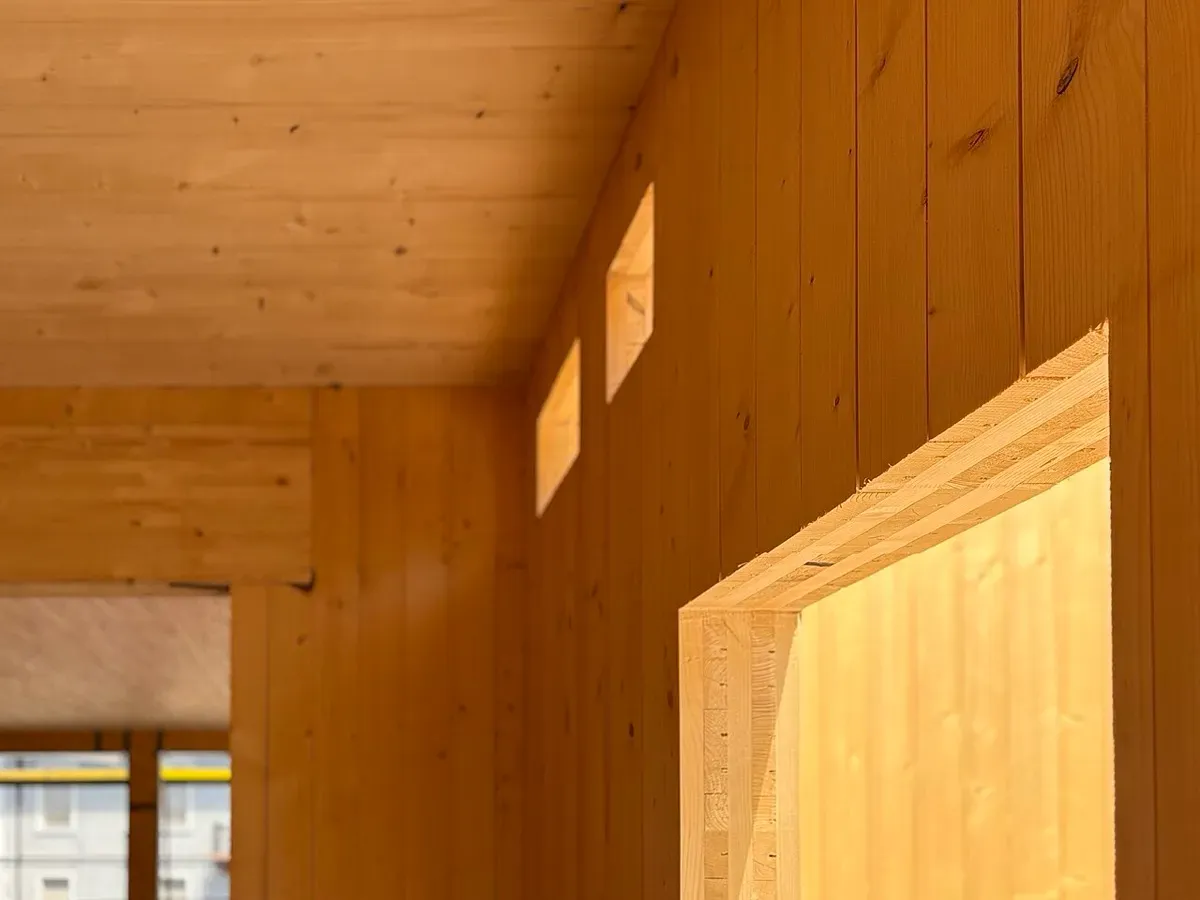
Stora Enso helped turn cross-laminated timber from an Austrian niche into a mainstream way to build offices, schools and apartment blocks.
Green architecture · Green buildings
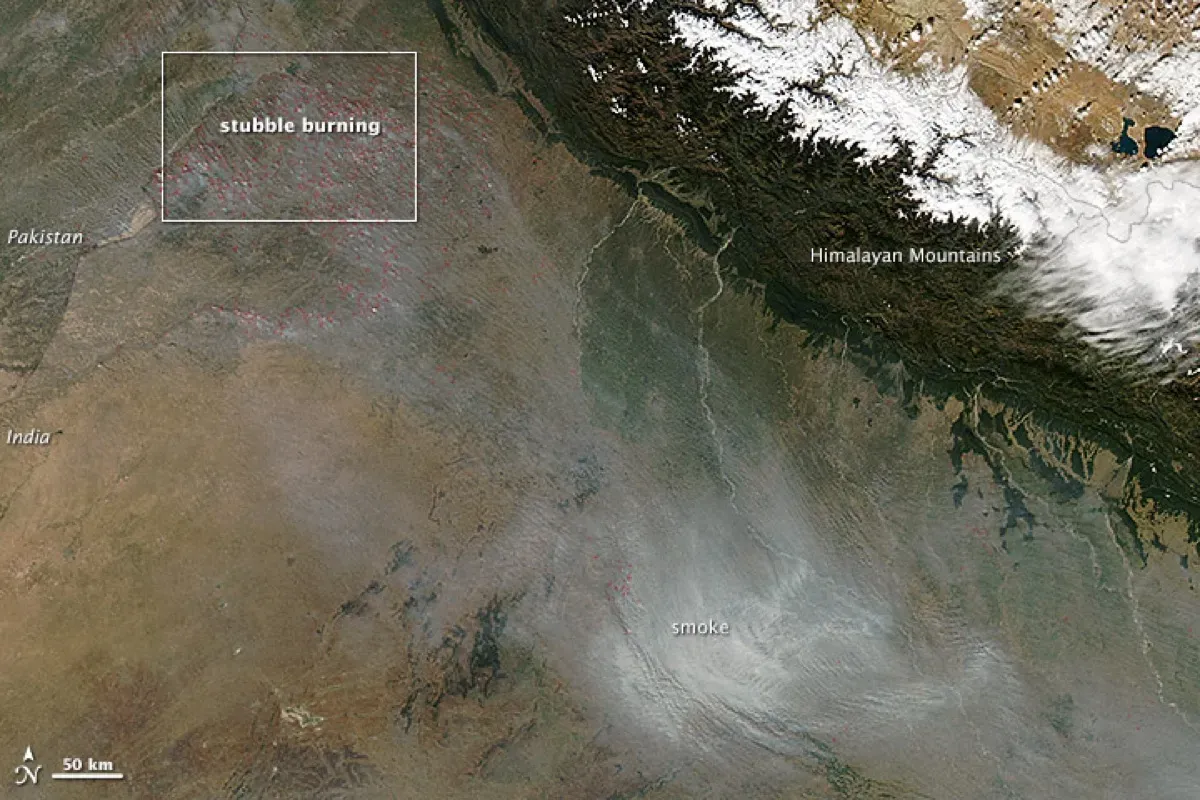
Every autumn, farmers in north India burn millions of tonnes of rice straw, and Delhi chokes. Strawcture Eco buys that straw and presses it into wall and ceiling boards.

Green architecture · Green buildings
VELUX has squeezed the insulation of a triple-glazed window into a pane less than half as thick, by replacing the gas between two sheets of glass with a vacuum.
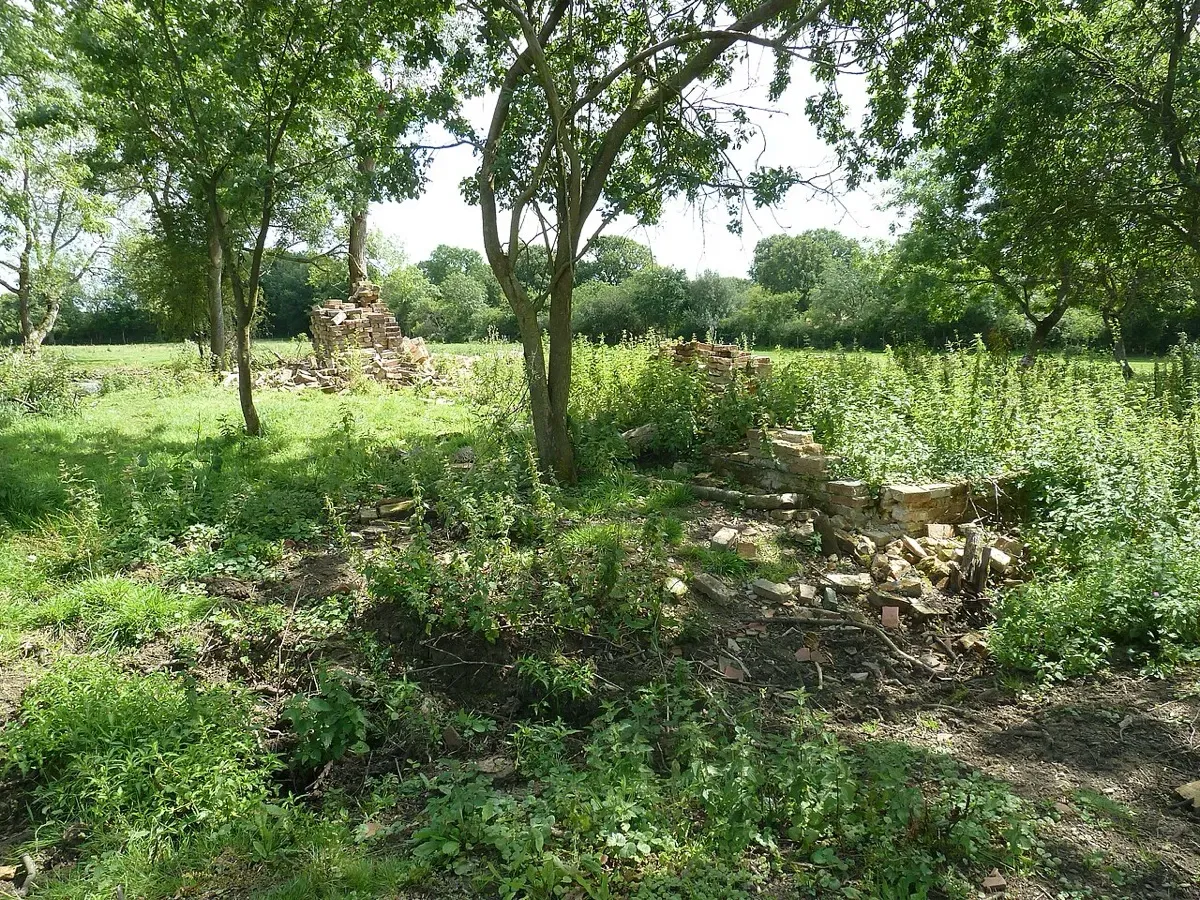
Green architecture · Resource lifecycle
A normal clay brick is dug from a quarry and fired in a gas kiln at around 1,000 °C. The K-BRIQ is pressed from crushed old bricks, rubble, mortar and plasterboard, and cured without any firing.
Green architecture · Resource lifecycle
India's metal foundries throw away fine, dusty sand that is too small to reuse. Its towns are full of plastic too dirty or mixed to recycle. A Gujarat foundry machinery firm melts one into the other and presses the result into paver blocks.
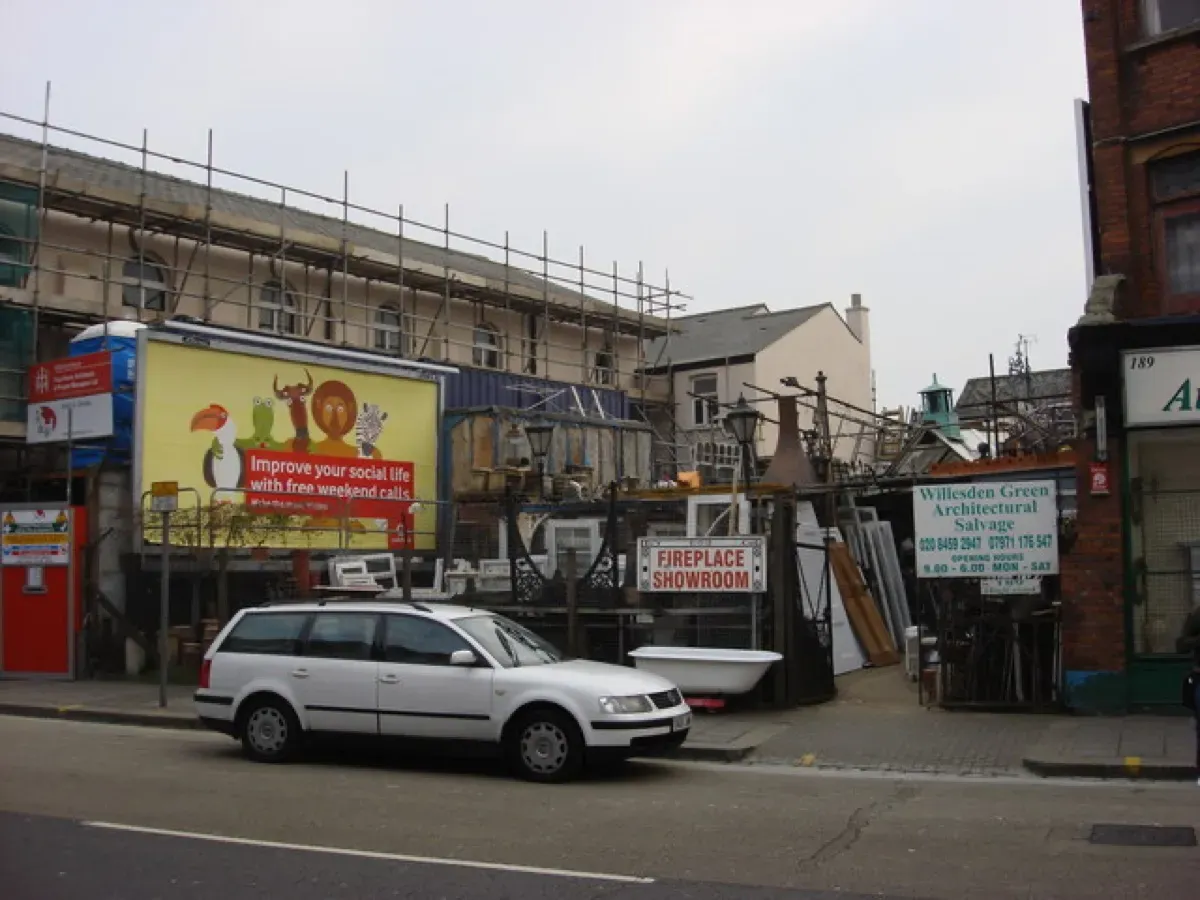
Green architecture · Resource lifecycle
Most office strip-outs end in a skip. Rotor DC sends in its own team first, takes out the tiles, stone, timber, doors and lamps that still have value, cleans them and puts them on sale.
Green architecture · Resource lifecycle
Every flooring job leaves off-cuts, and every renovation rips out a floor that was once someone's new purchase. Tarkett's ReStart programme collects both and feeds them back into its own production lines.
Green architecture · Resource lifecycle
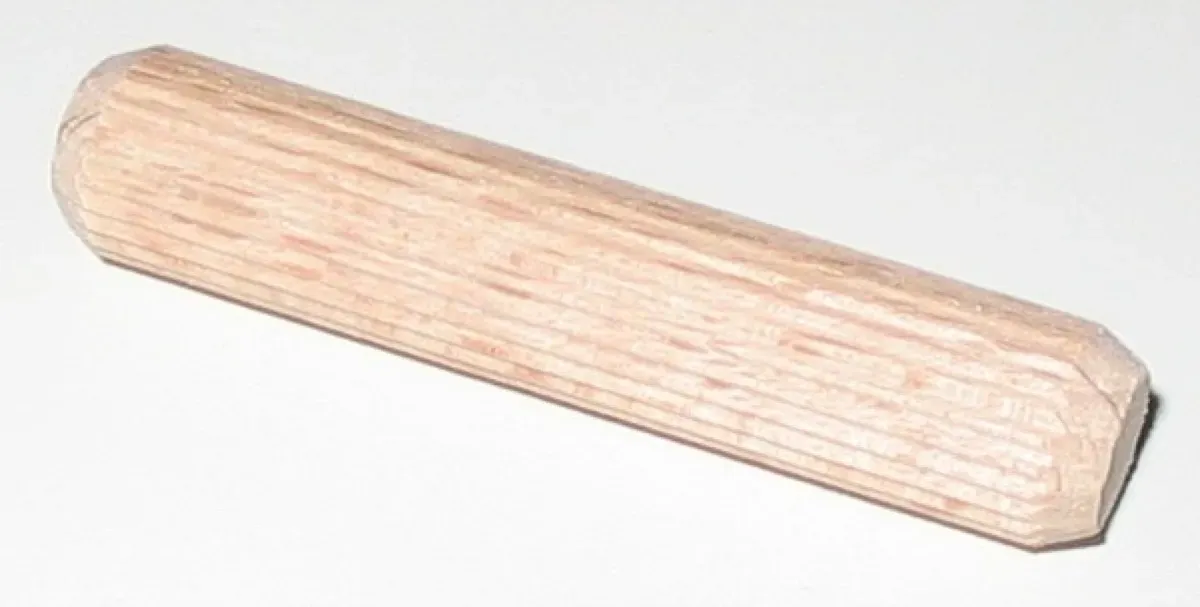
Most mass timber is glued, so at the end of a building's life it can only be shredded or burned. TRIQBRIQ builds load-bearing walls from small wooden blocks held together only by beech dowels.
Green architecture · Sustainable site planning
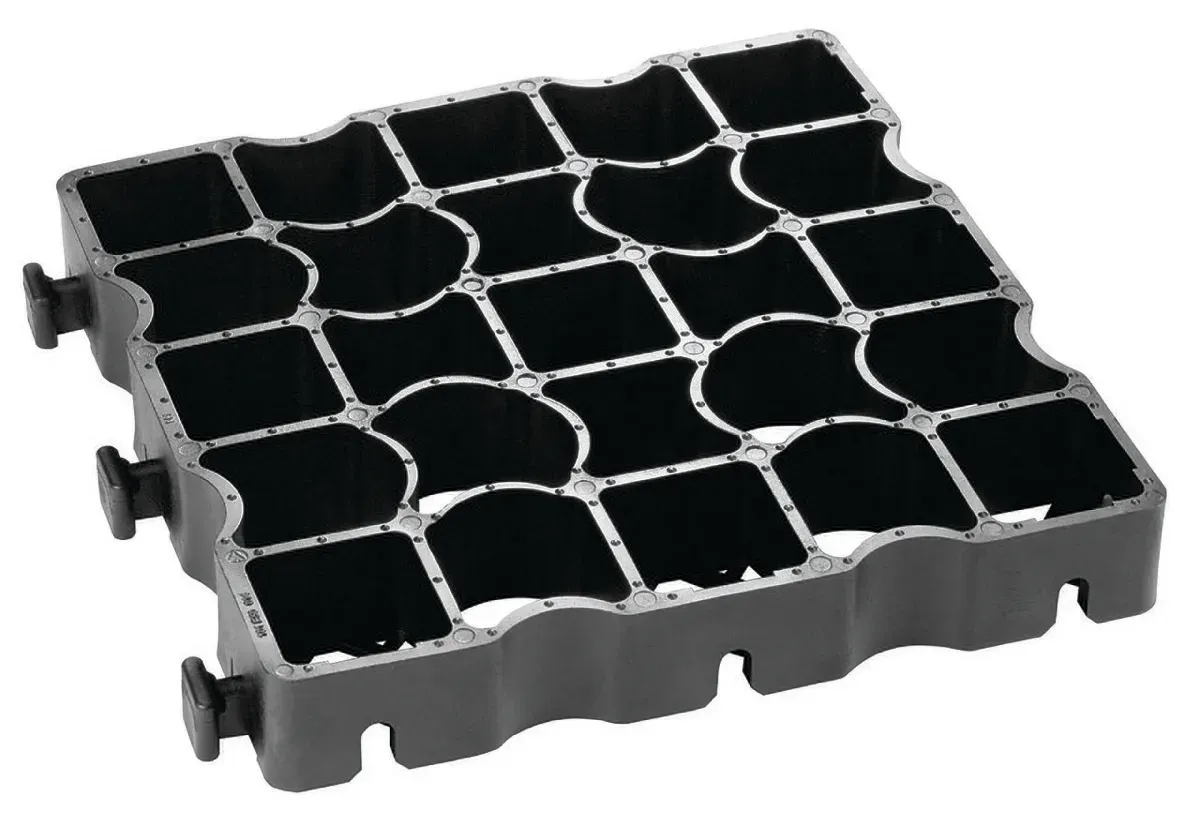
Every new car park seals another patch of soil under asphalt. ECORASTER grids give cars a firm surface while leaving the ground open to rain, grass and gravel.
Green architecture · Sustainable site planning
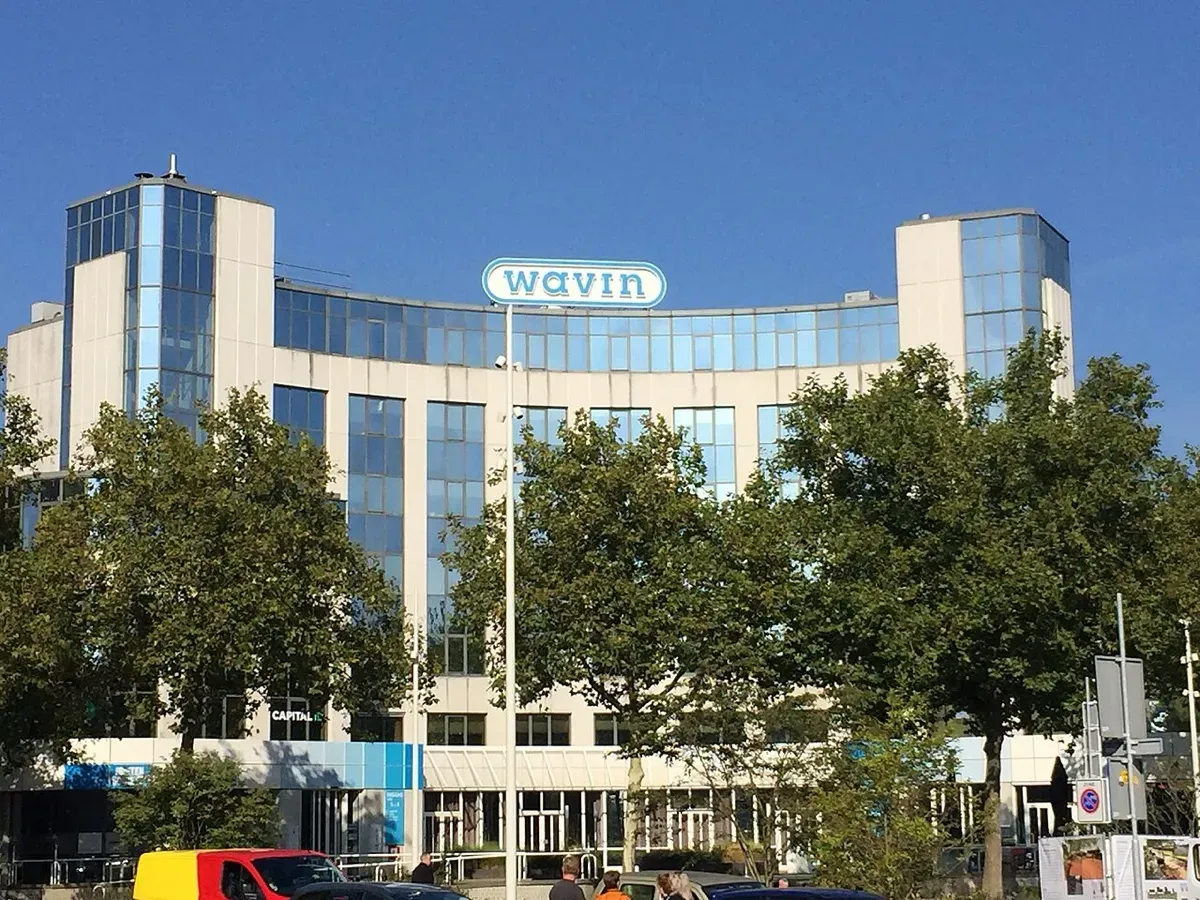
When a cloudburst hits a new housing estate, every roof, road and car park sends water into the sewer at once. Wavin's Q-Bic Plus crates build a hidden tank under the site that catches the peak and lets it go slowly or soak away.
Green architecture · Urban eco innovation
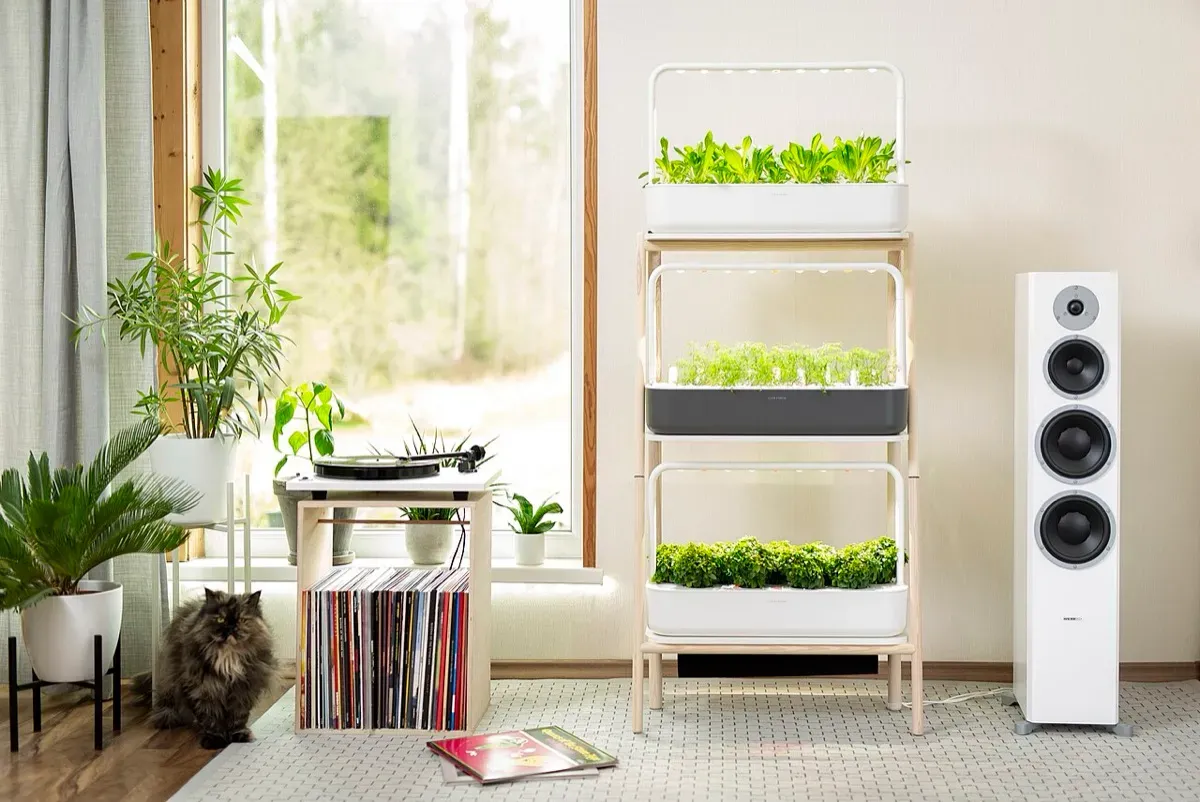
Big vertical farms promised to grow salad in city warehouses, and several of them ran out of money. Click & Grow took the idea down to the size of a toaster: a white tub, a lamp on a stalk and nine little seed pods that sprout basil, lettuce or tomatoes on a flat's windowless counter.
Green architecture · Urban eco innovation
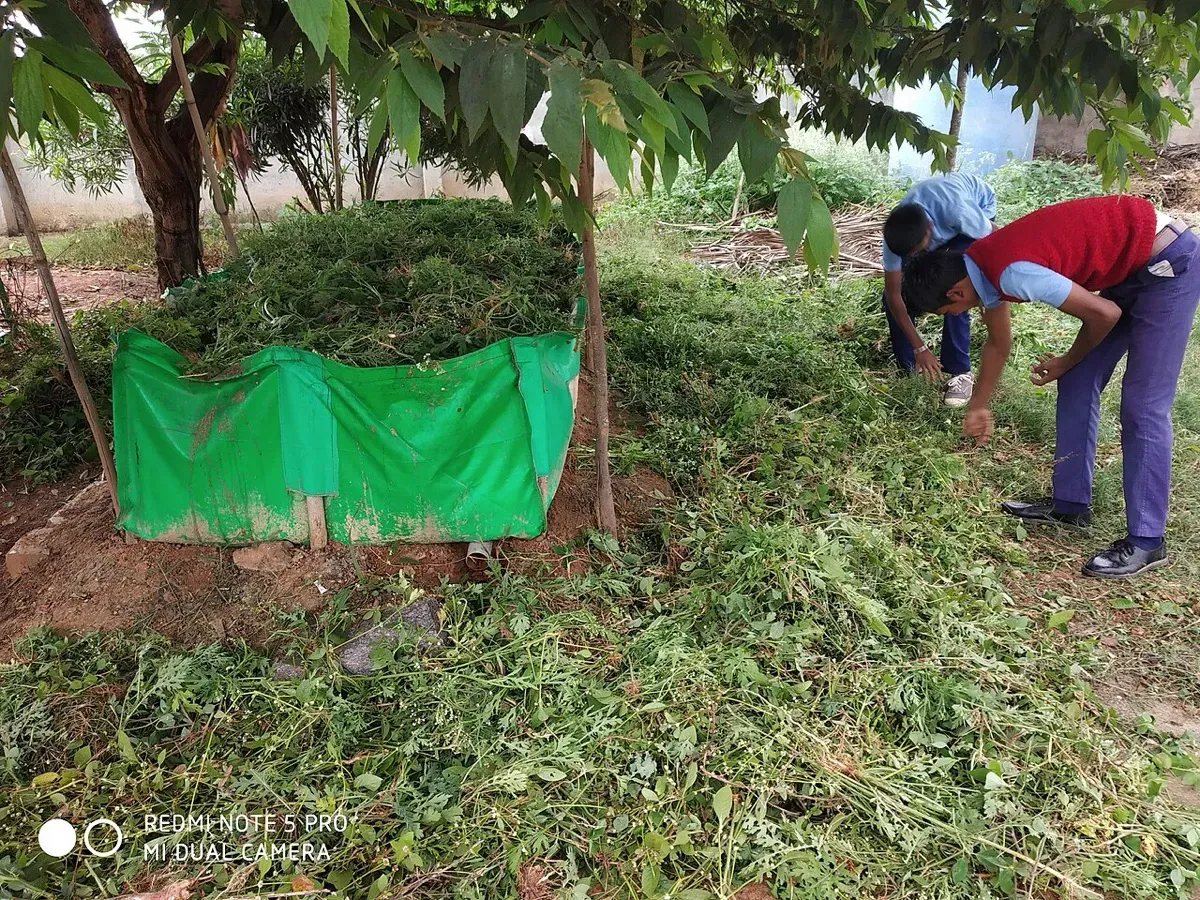
Indian kitchens throw away a lot of peels, tea leaves and leftovers, and most of it still ends up mixed with plastic at a landfill on the edge of town. Daily Dump's answer is a stack of clay pots on the balcony.
Green architecture · Urban eco innovation
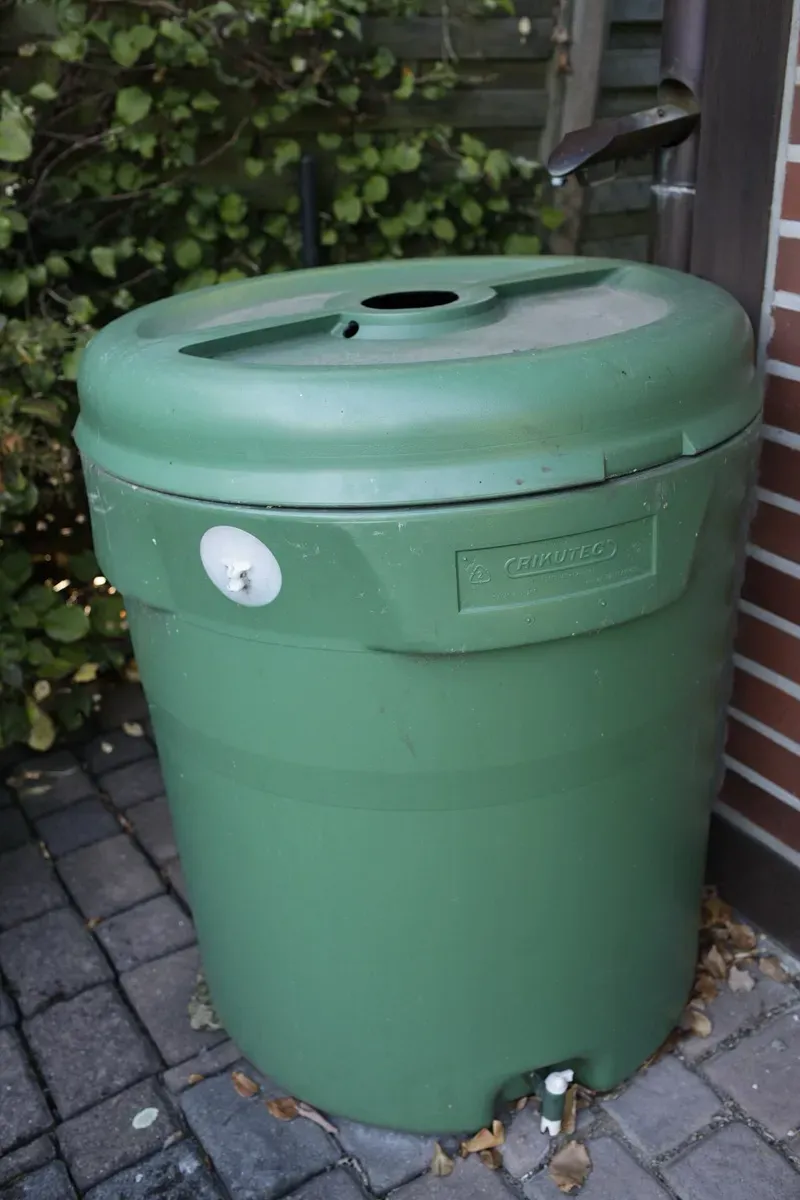
Flushing a toilet or watering a garden with drinking water makes little sense in a warming Europe, but storing rain usually means a huge buried cylinder and a deep hole. GRAF's Platin tank is flat instead.
Green architecture · Urban eco innovation
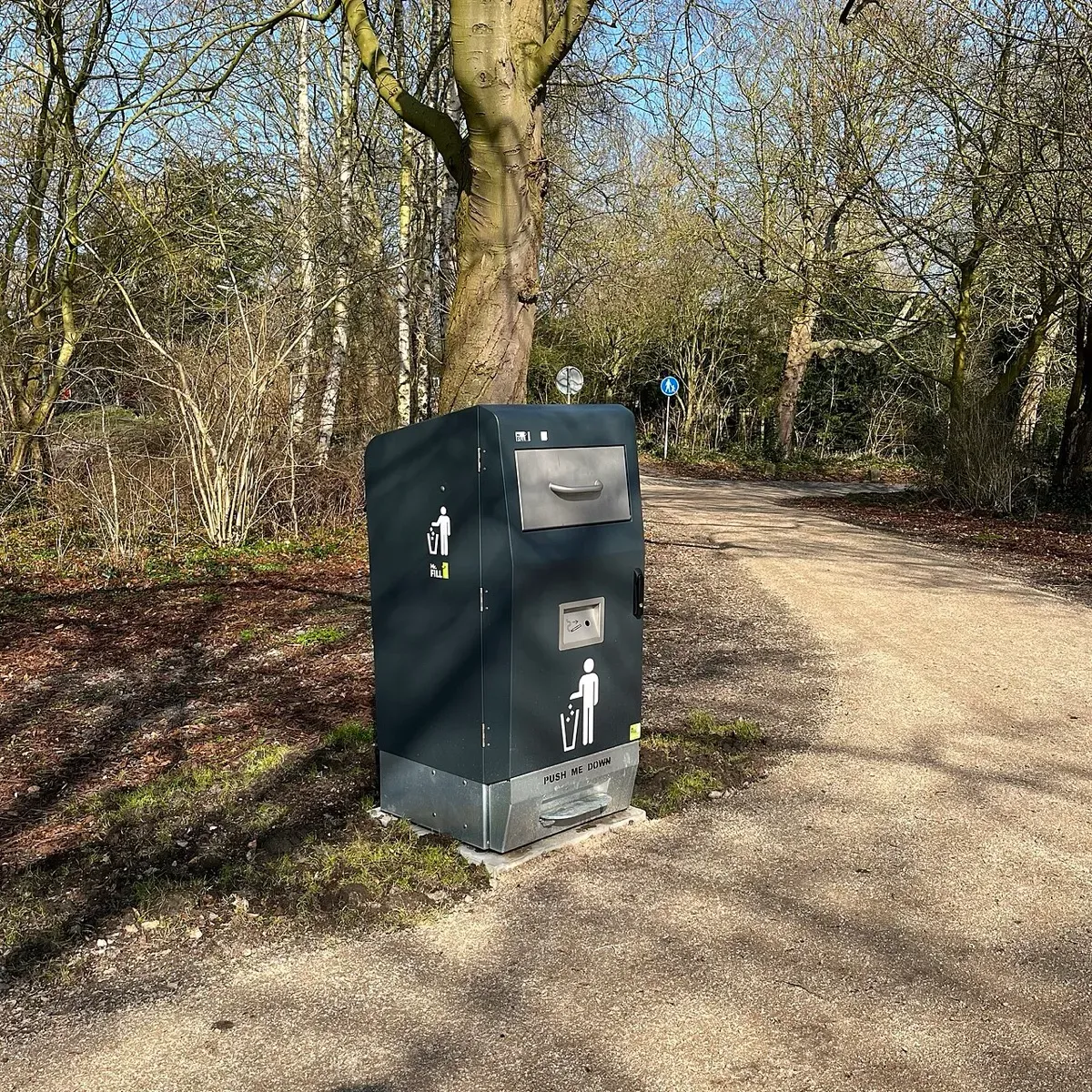
A busy shopping street can fill an ordinary litter bin in hours, which means a van, a crew and fuel to empty it several times a day. Mr. Fill's answer is a bin with a solar panel on the lid and a press inside.
Transportation and logistics · Biofuels
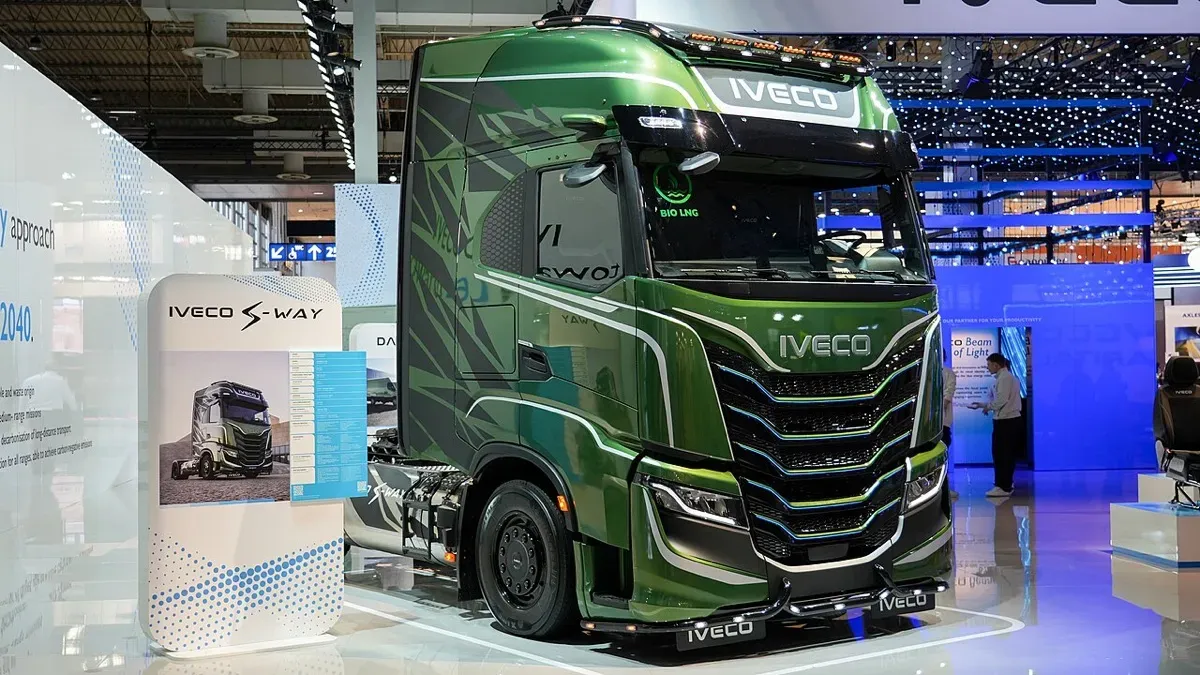
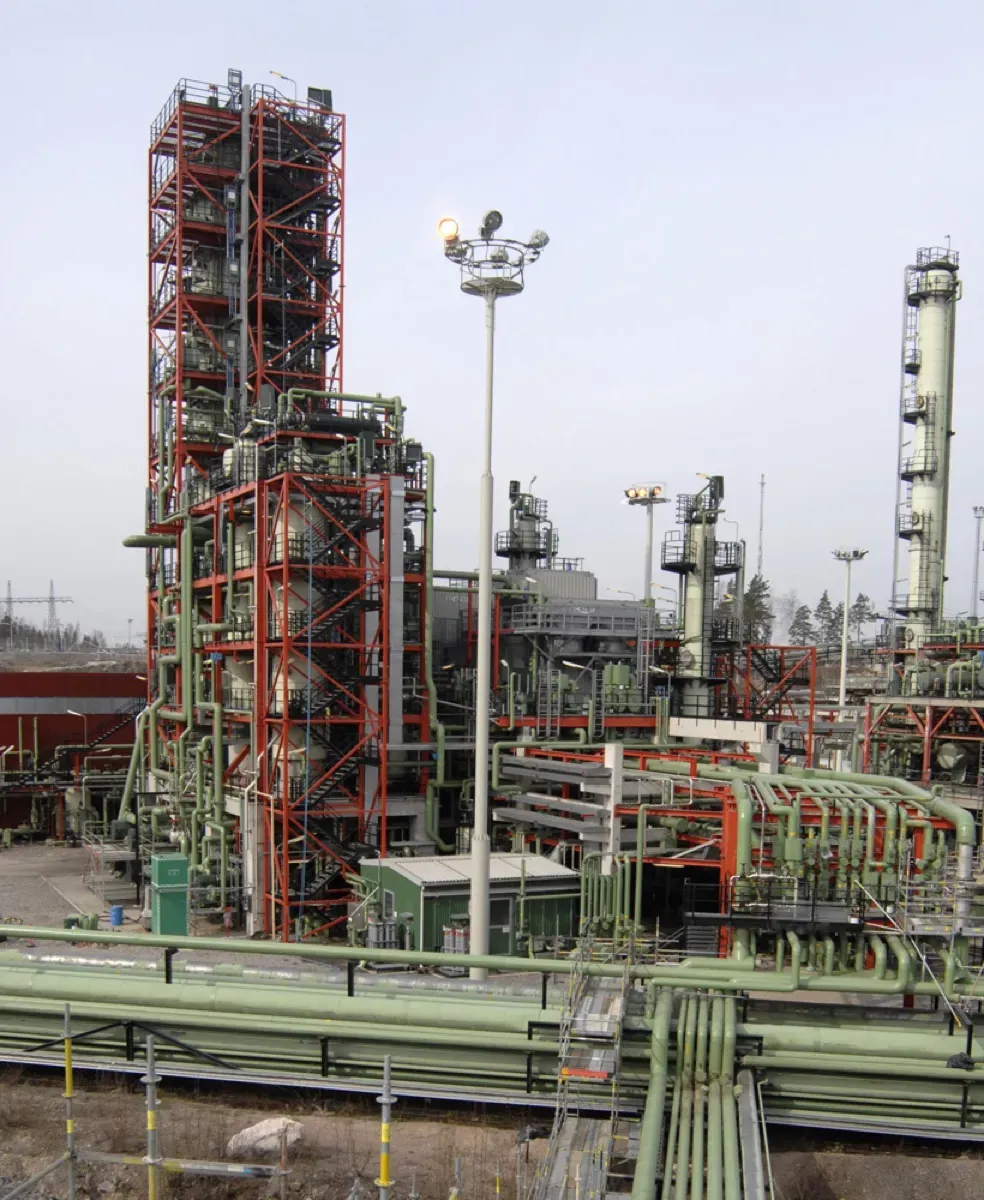
Lorries that run on liquefied natural gas are already common on German motorways. EnviTec makes the renewable version: biogas from farm residues, cleaned into biomethane and chilled to around minus 160 °C until it becomes a liquid that fills the same tanks.
Transportation and logistics · Biofuels
Old frying oil and slaughterhouse fat are not obvious truck fuels. Neste hydrotreats them into a diesel that is chemically almost the same as the fossil kind, so a bus, lorry or generator can switch over at the pump with no changes.
Transportation and logistics · Biofuels
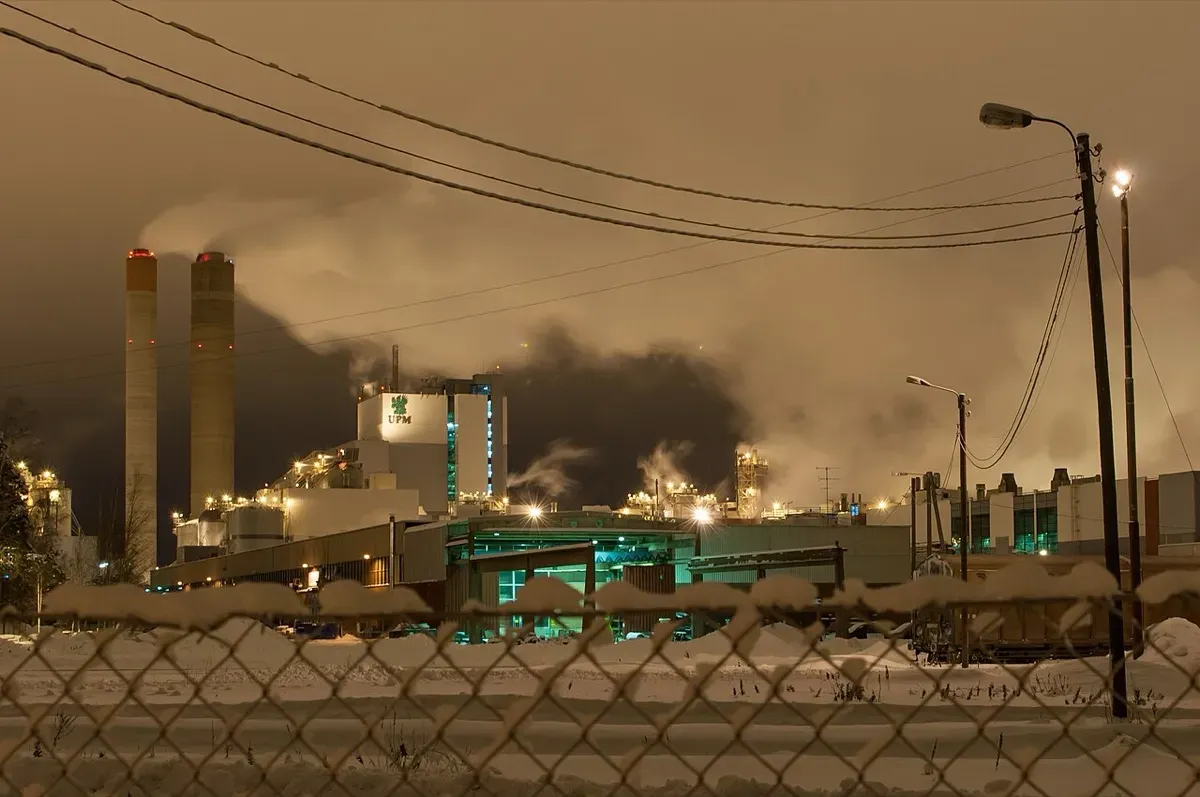
When pine and spruce are cooked into pulp, a dark, sticky oil separates out. For decades it was burned for heat or sold to chemical makers. At Lappeenranta in south-east Finland, UPM turns it into a diesel and a naphtha that drop straight into today's tanks and crackers.
Transportation and logistics · EVs
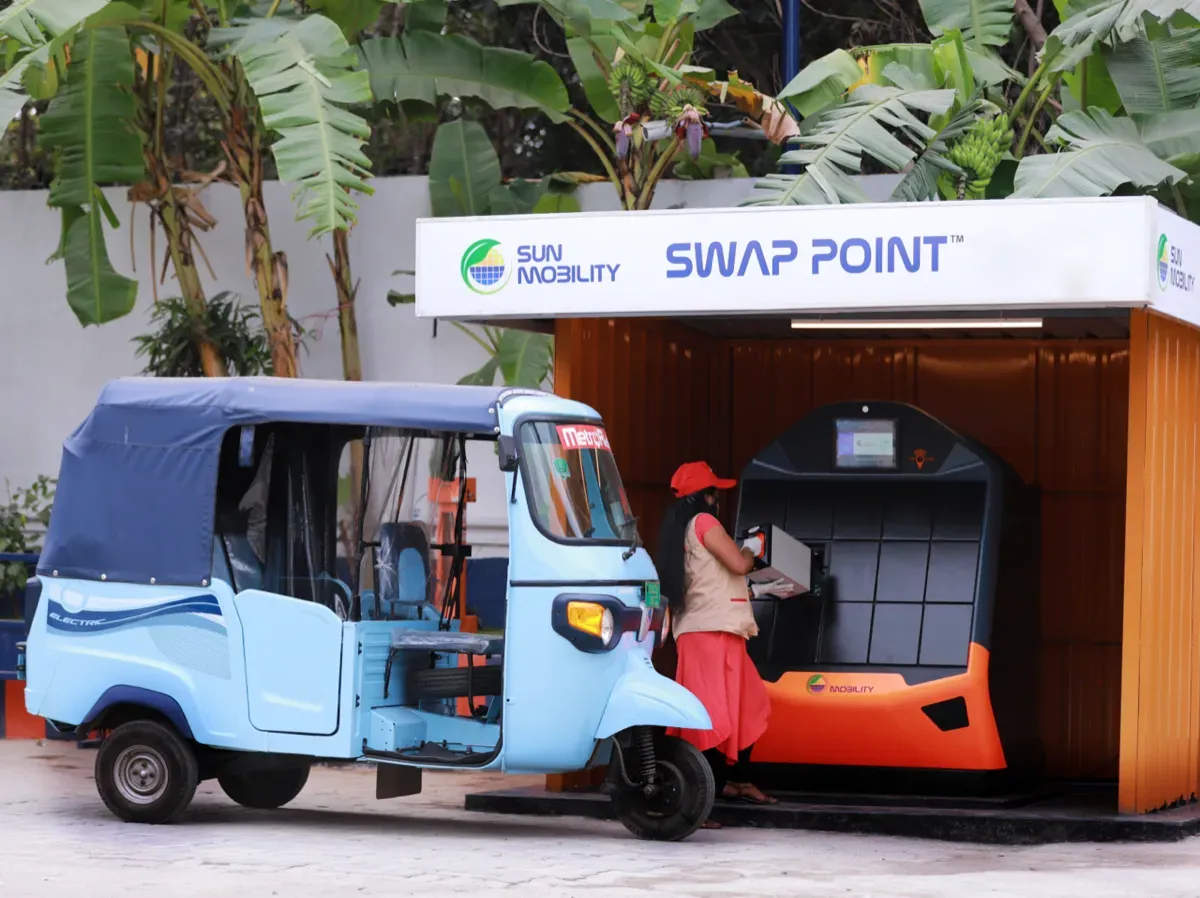
For India's e-rickshaw drivers and delivery riders, the battery is the most expensive part of an electric vehicle, and hours spent charging are hours without income.
Transportation and logistics · EVs
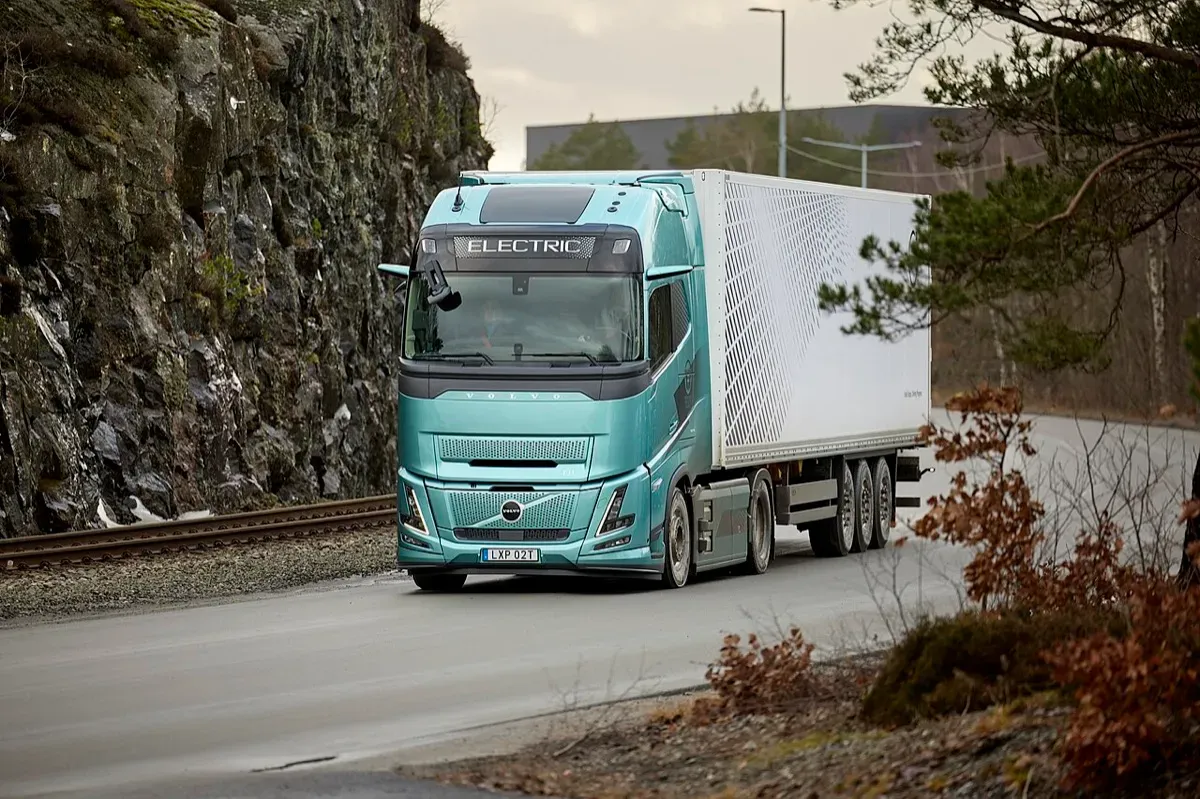
Heavy trucks are a small share of vehicles but a large share of road emissions, and long-haul routes were long thought too far for batteries.
Transportation and logistics · Logistics software
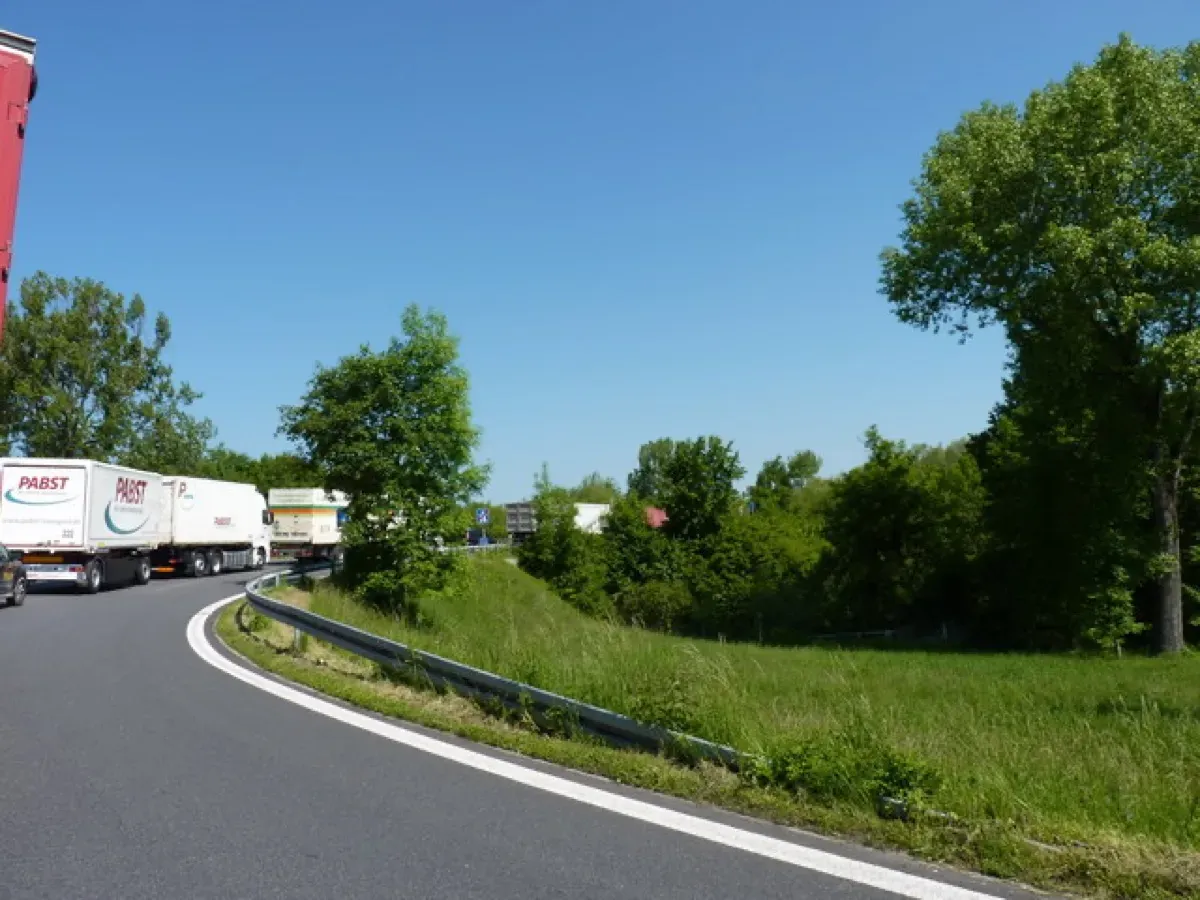
Europe's road freight still runs on phone calls, emails and paper waybills that travel in the cab with the driver, get lost and are retyped at the other end.
Transportation and logistics · Logistics software
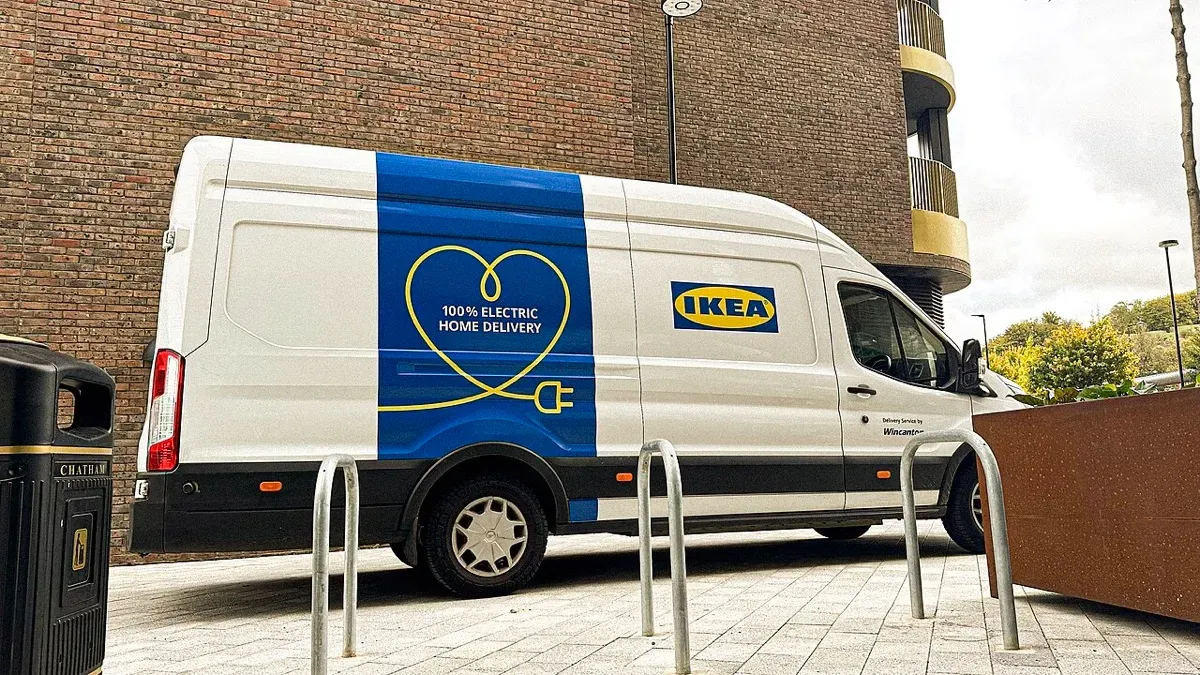
Every morning, thousands of delivery fleets have to decide which van takes which order, in what sequence and at what time. Done by hand, that puzzle wastes kilometres, fuel and drivers' hours.
Transportation and logistics · Logistics software
A late truck can stop a production line, leave a shop shelf empty or keep a dock crew waiting. Most shippers only find out when it is already late.
Transportation and logistics · Logistics software
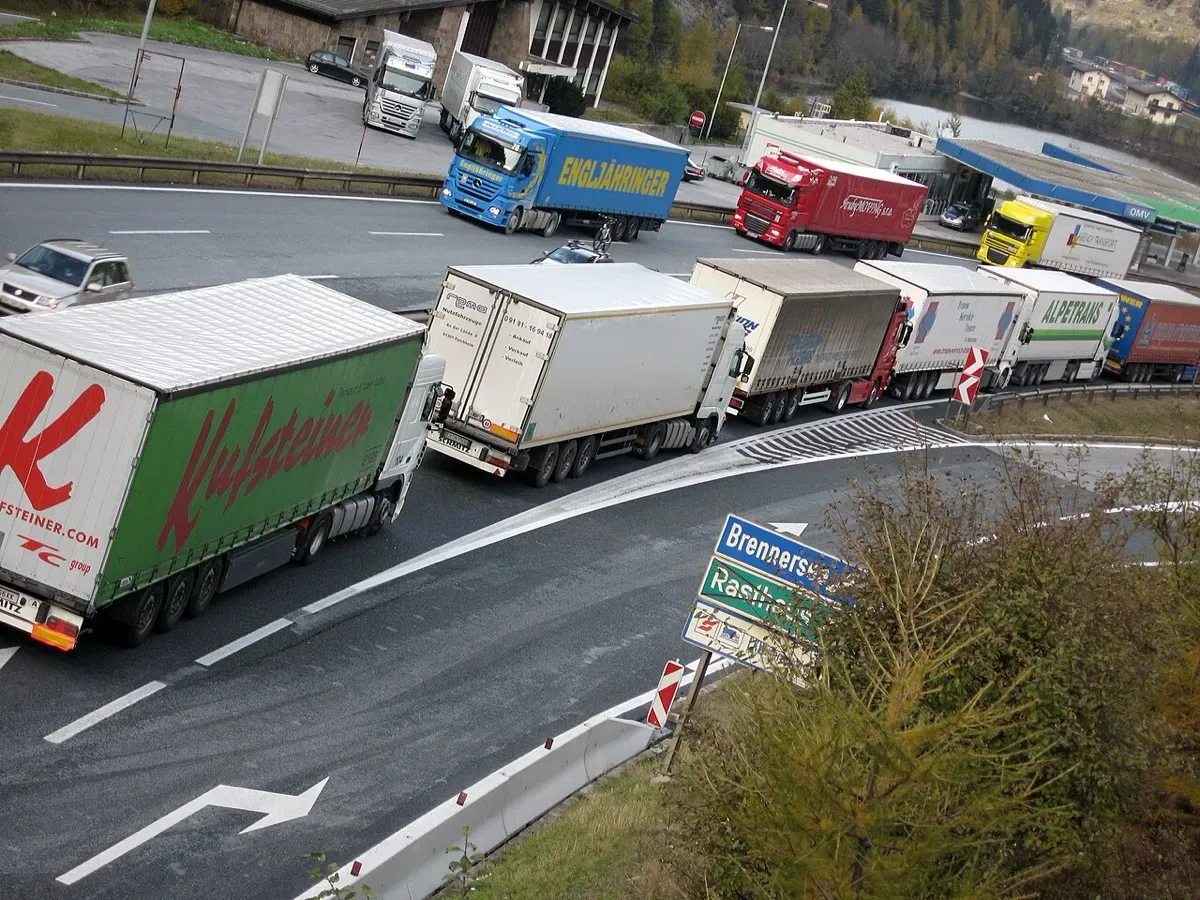
Every day, thousands of European factories and retailers have to find a truck, agree a price, book a loading slot and later prove what the trip emitted. Much of that still happens by phone, email and spreadsheet.
Transportation and logistics · Supply chain
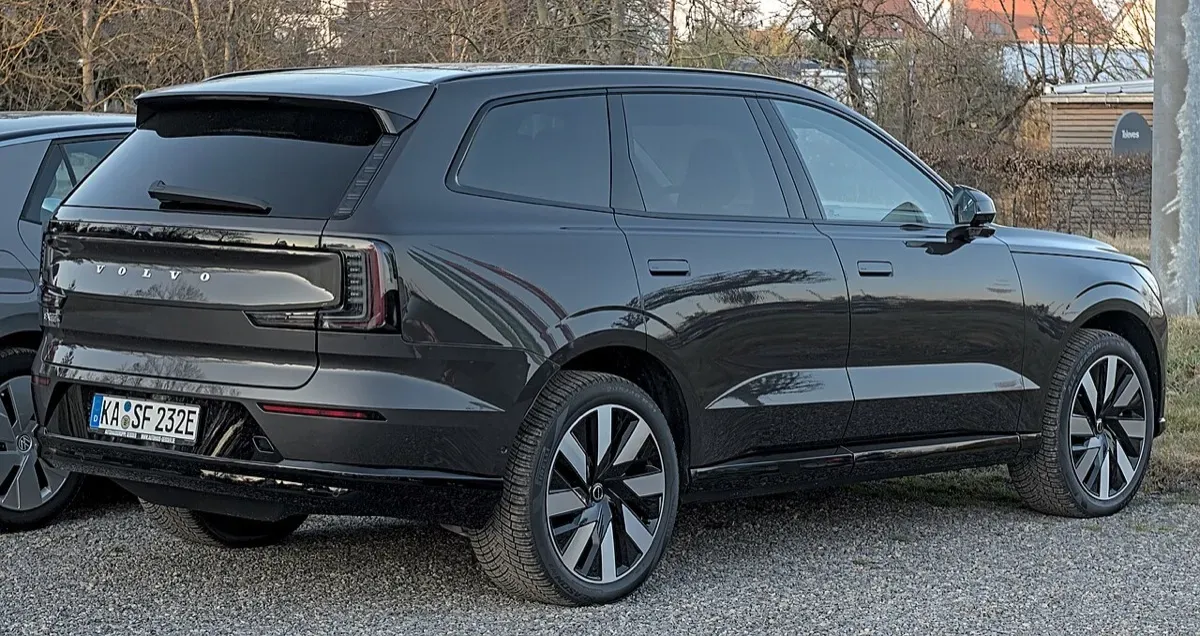
An electric car battery holds lithium, cobalt, nickel and graphite that may have crossed several continents and changed hands a dozen times. Until recently, almost nobody could prove where those materials came from, or how much carbon they carried.
Transportation and logistics · Supply chain
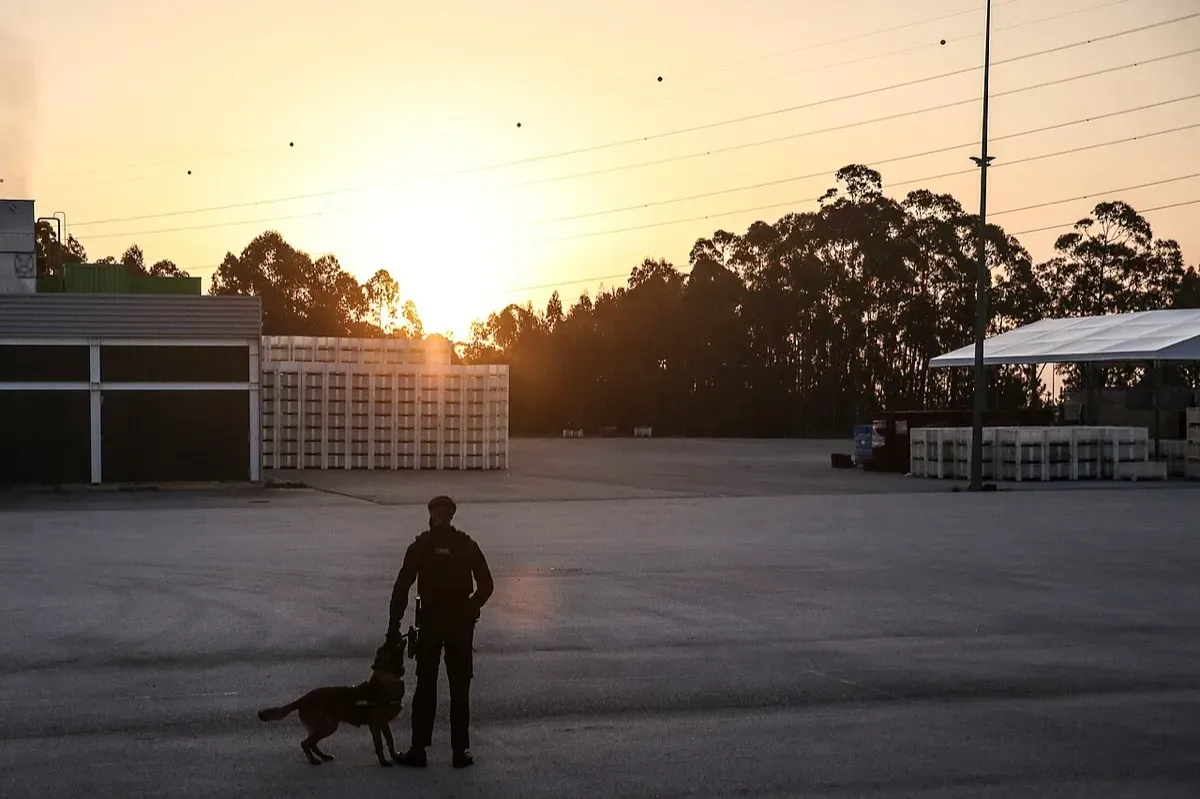
Medicines that spoil in transit are usually thrown away, along with the energy, materials and money that went into making them. Often nobody knows a shipment went out of range until it arrives.

Transportation and logistics · Supply chain
Most temperature-sensitive medicines still fly in single-use insulated boxes, which keep the cargo cool for a few days and are then thrown away, often in another country.
Transportation and logistics · Supply chain
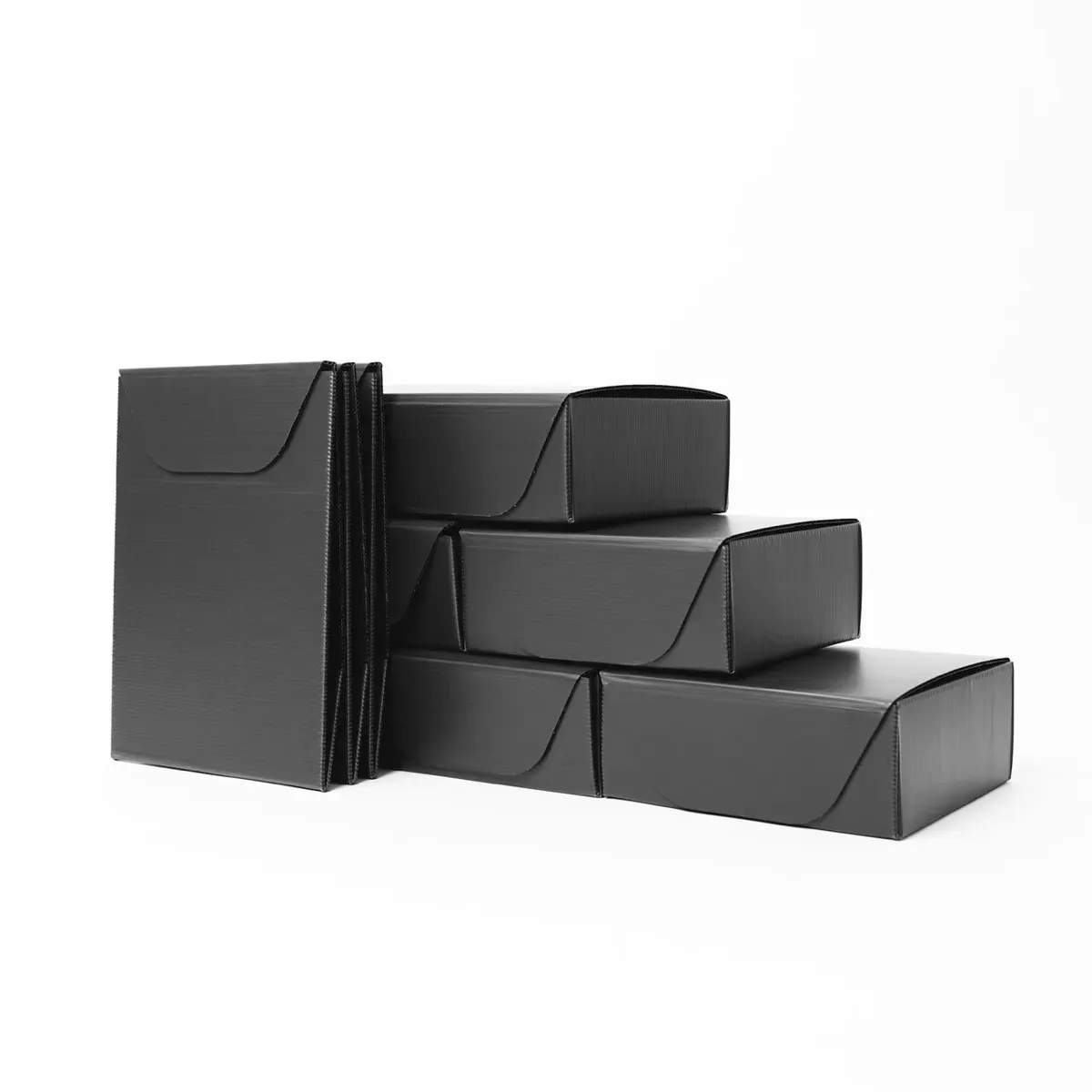
Every online order still tends to arrive in a new cardboard box, wrapped in tape and filler, that is used once and thrown away. For valuable goods, the box also gives thieves an easy target.
Transportation and logistics · Supply chain
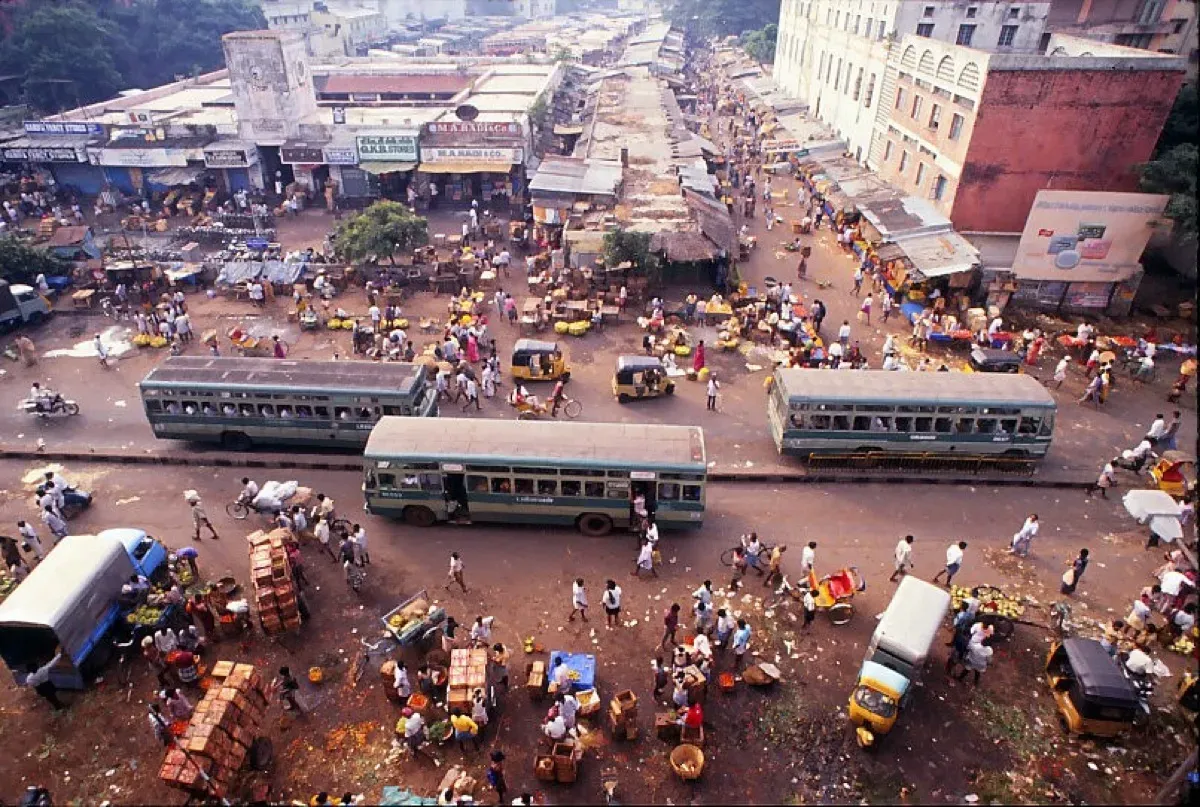
Much of India's fruit, vegetables, milk and medicine travels without proper cooling, because refrigerated trucks are expensive, scarce and useless during a power cut. A lot of it spoils on the way.
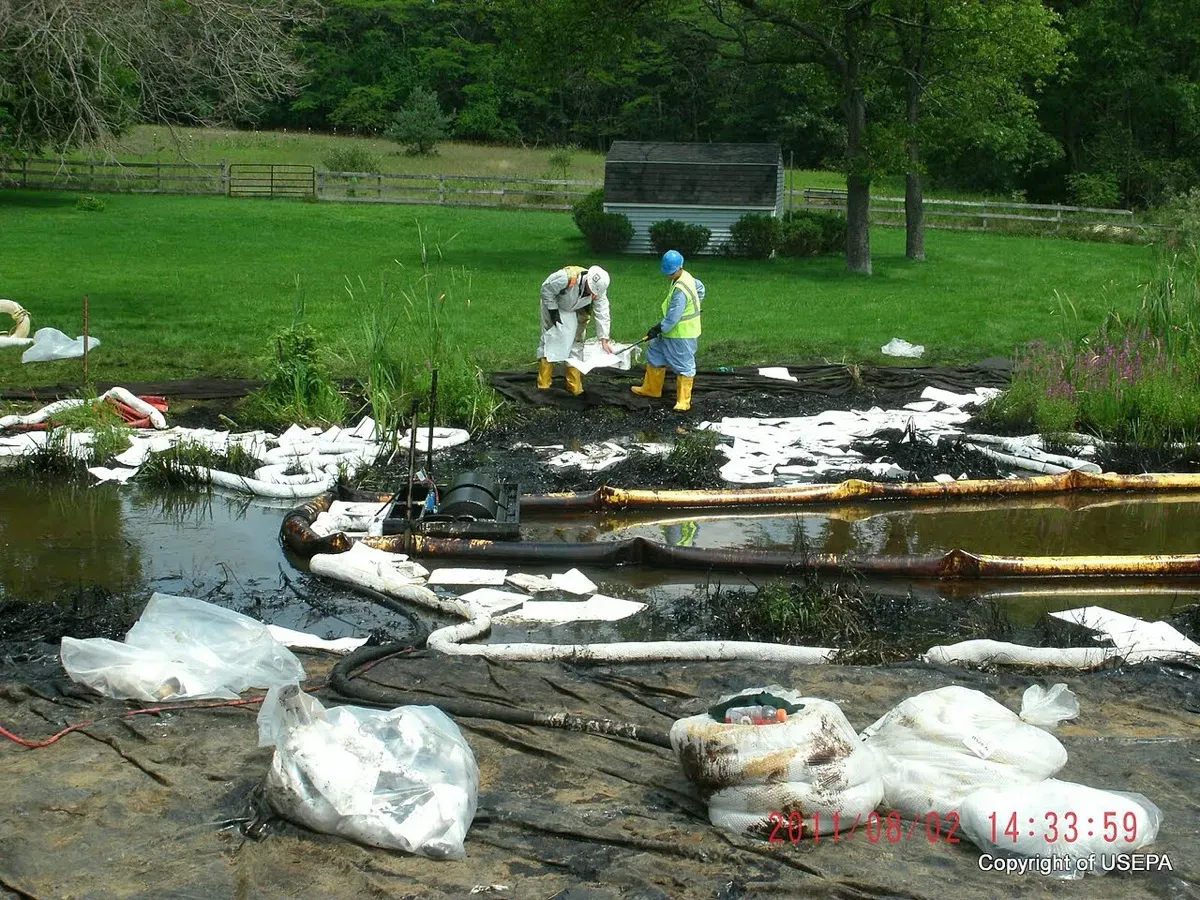
Eco-restoration · CleanTechAbout ONGC TERI Biotech
Oil spills on land and the black sludge left at the bottom of refinery tanks are some of the most stubborn pollution in the energy industry, usually dumped in lined pits that fill up and leak.
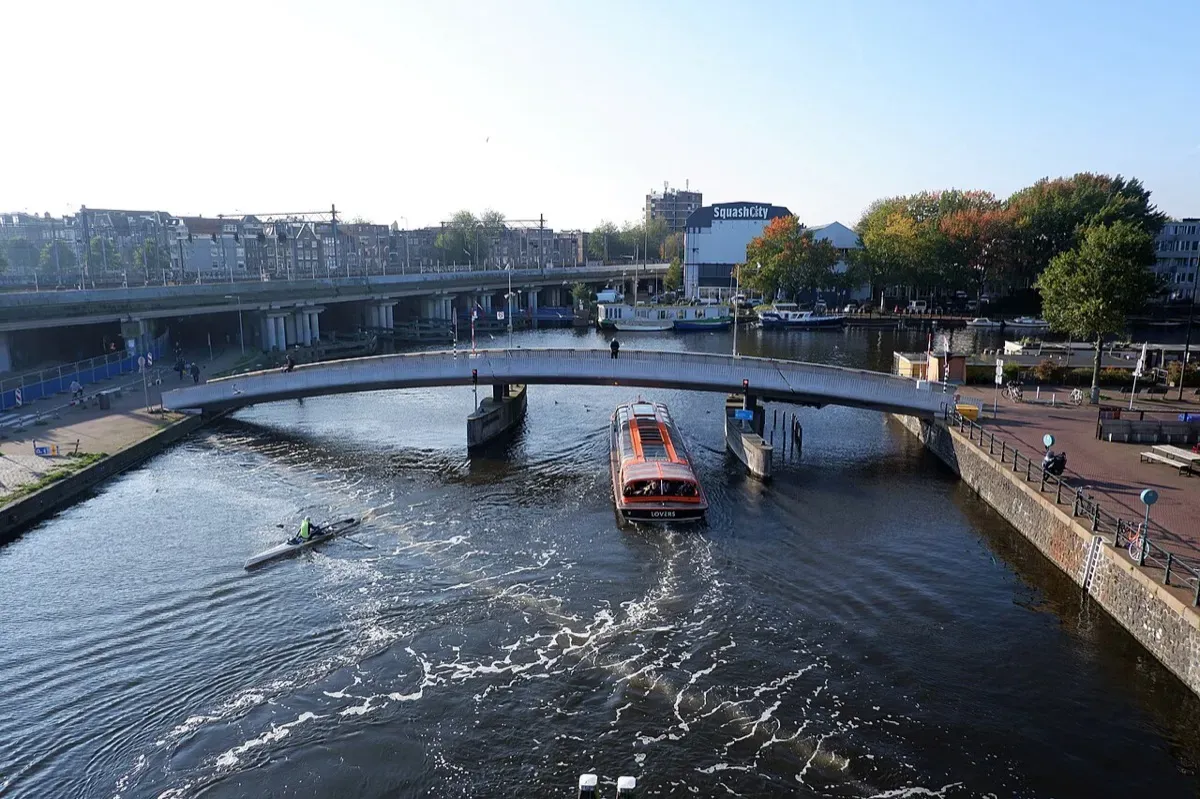
Eco-restoration · CleanTech
Most plastic in the sea starts on land and travels there by river. Booms and nets across rivers can catch some of it, but they block boats and fish, and they miss plastic drifting below the surface.

Eco-restoration · Eco-acoustics
Food companies are being asked to prove that their farms are good for nature, yet very few farms measure biodiversity at all, because hiring an ecologist is expensive.
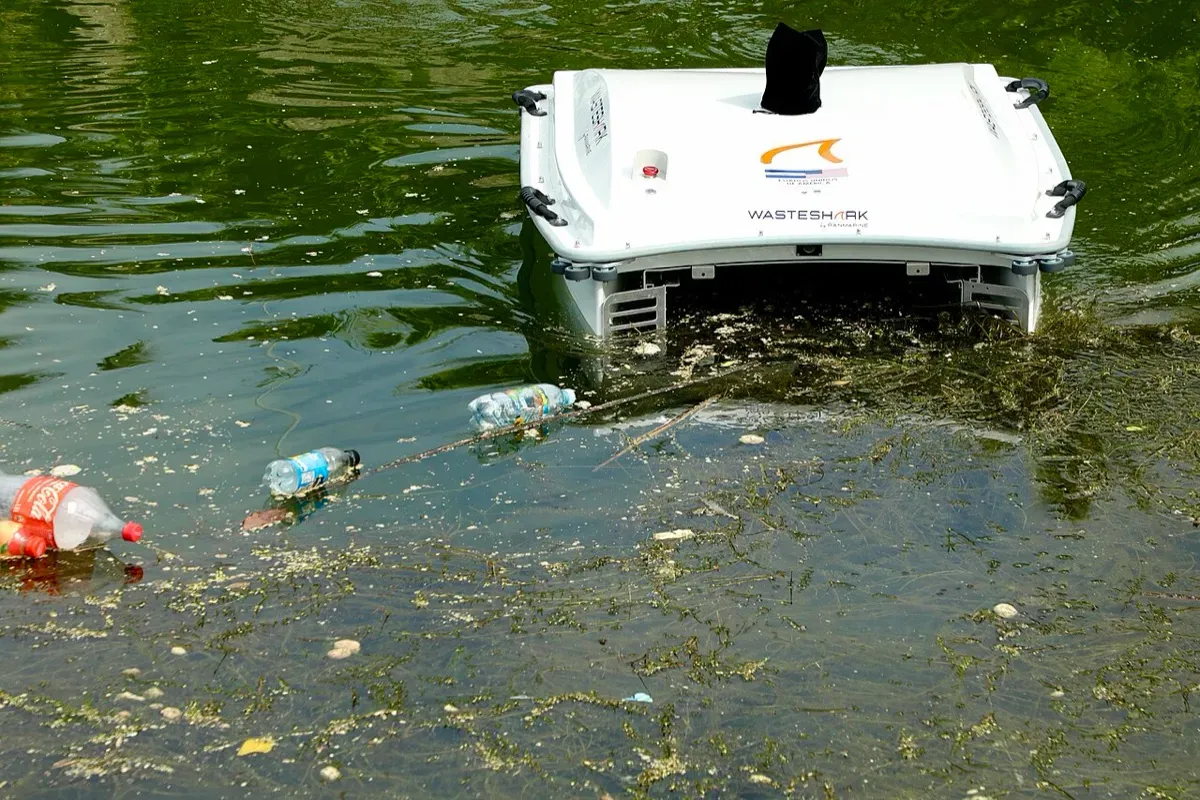
Eco-restoration · Robotics
A battery-powered aquatic drone, about the size of a small car bonnet, that swims into dock corners and canal edges to scoop up bottles, bags and weed before they drift out to sea.

Eco-restoration · Robotics
A quiet, all-electric beach robot from eastern France that combs the top 10 cm of sand for cigarette butts, bottle caps and plastic shards that rakes and volunteers miss.

Eco-restoration · Sustainable forestry
A Swedish battery saw with the power of a 40cc petrol model and a clutch that protects the chain and motor, aimed at thinning crews and arborists who want less noise, less vibration and no exhaust.
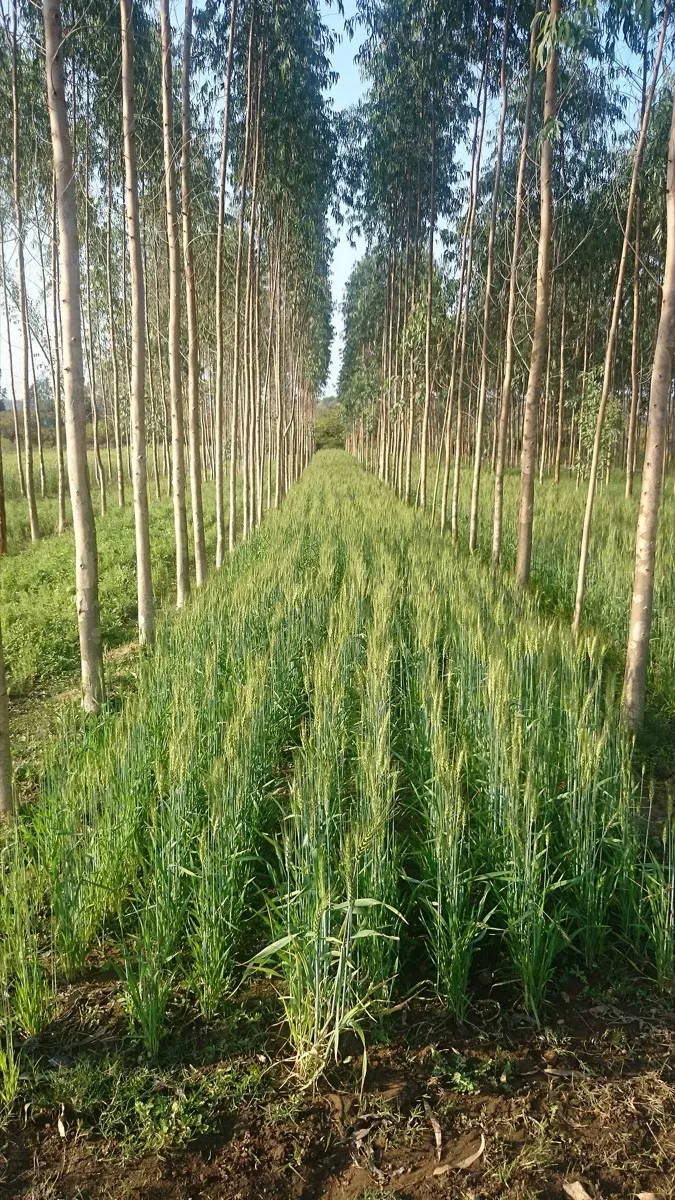
Eco-restoration · Sustainable forestry
Disease-resistant tree clones grown by the million at a nursery in Telangana and sold to farmers, who grow them on their own land and sell the wood back for paper and board.
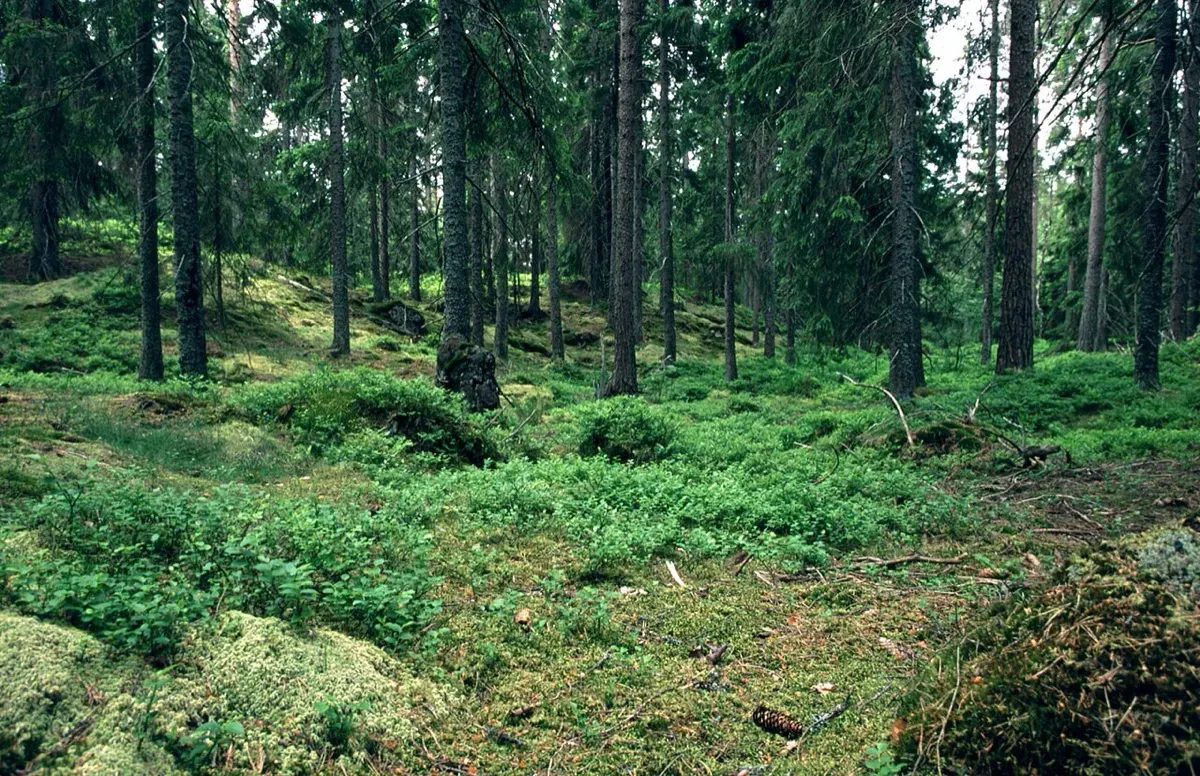
Eco-restoration · Sustainable forestry
A Lund-made app that films trees as a forester walks through a stand, builds a 3D model on the phone and returns stem diameters, basal area and timber volume in minutes.
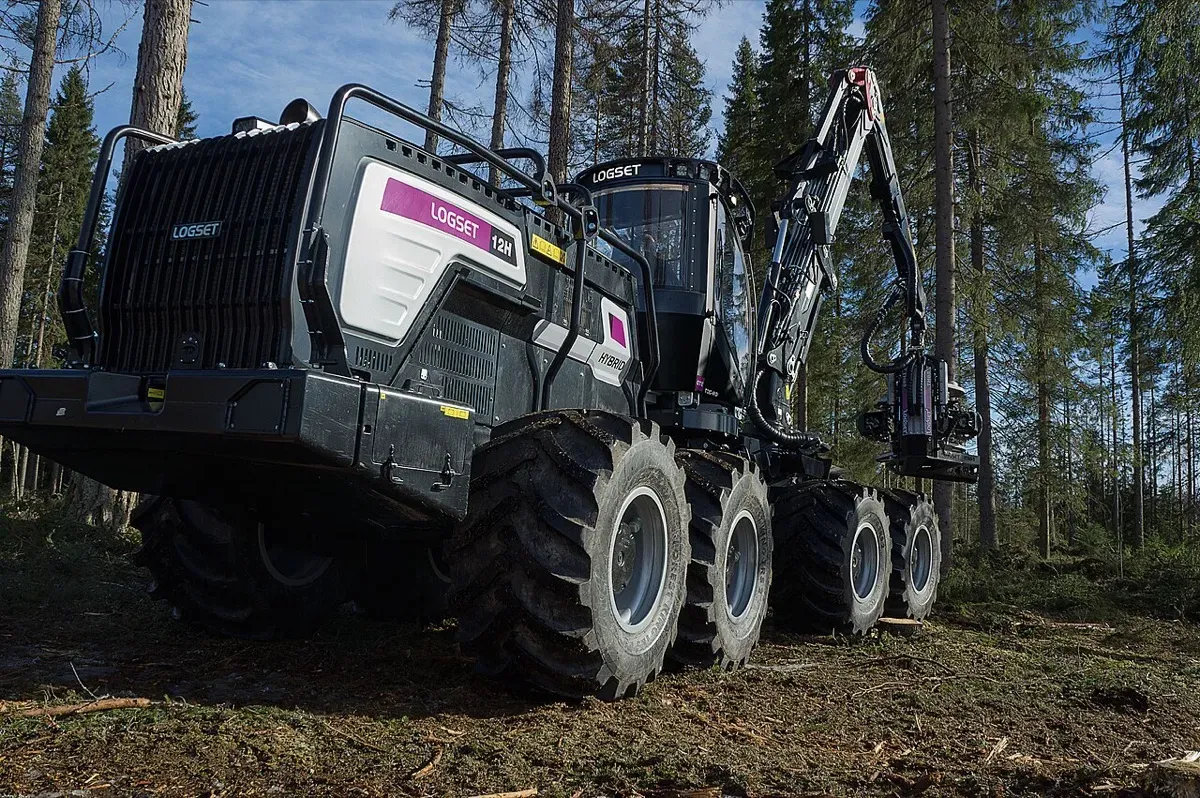
Eco-restoration · Sustainable forestry
An eight-wheeled timber harvester from Ostrobothnia that pairs a diesel engine with an electric motor and supercapacitors, so it can cut big trees with less fuel per cubic metre.
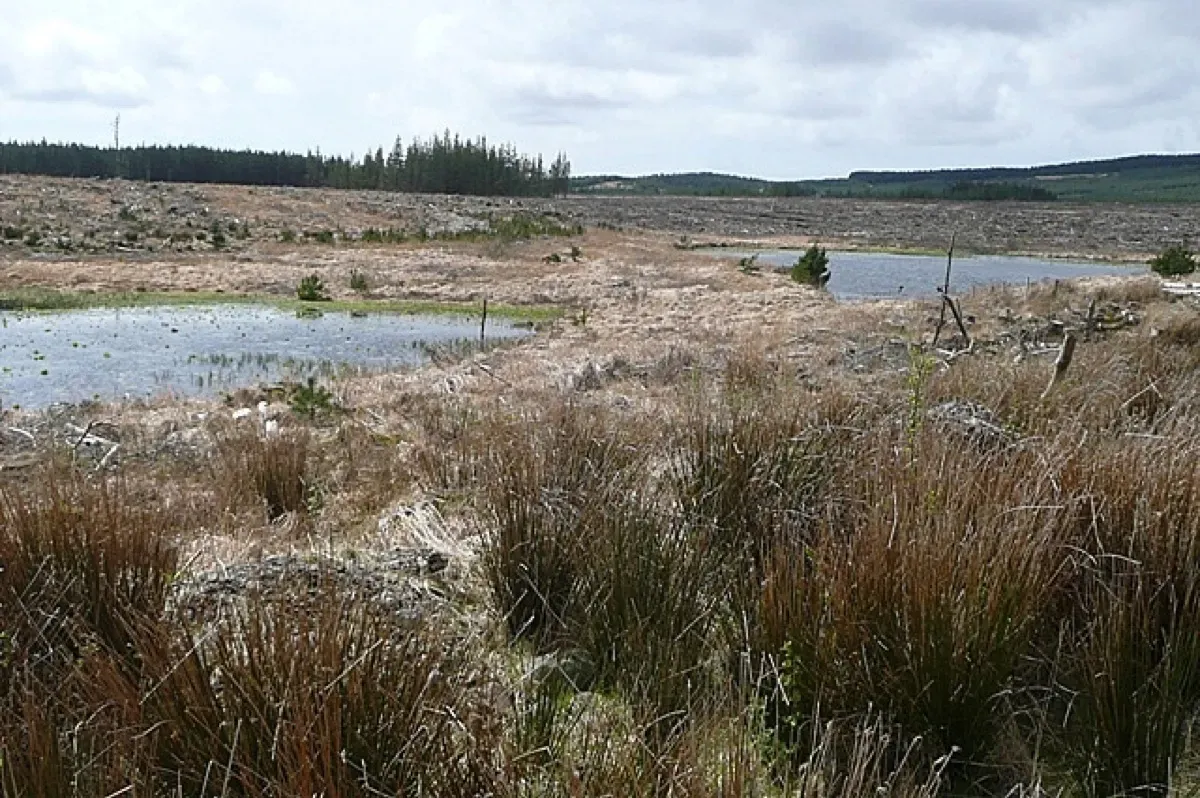
Eco-restoration · Sustainable forestry
A Cork-built platform that joins satellite images, harvester data and a field app, so forest managers can plan, watch and prove every harvest, now with an AI assistant called Crann.
Planetary engineering · Atmospheric frontiers
A space-station idea turned into a modular machine that captures CO2 on site, so Dutch growers can stop relying on fossil gas boilers and trucked-in industrial CO2.
Planetary engineering · Space frontiers
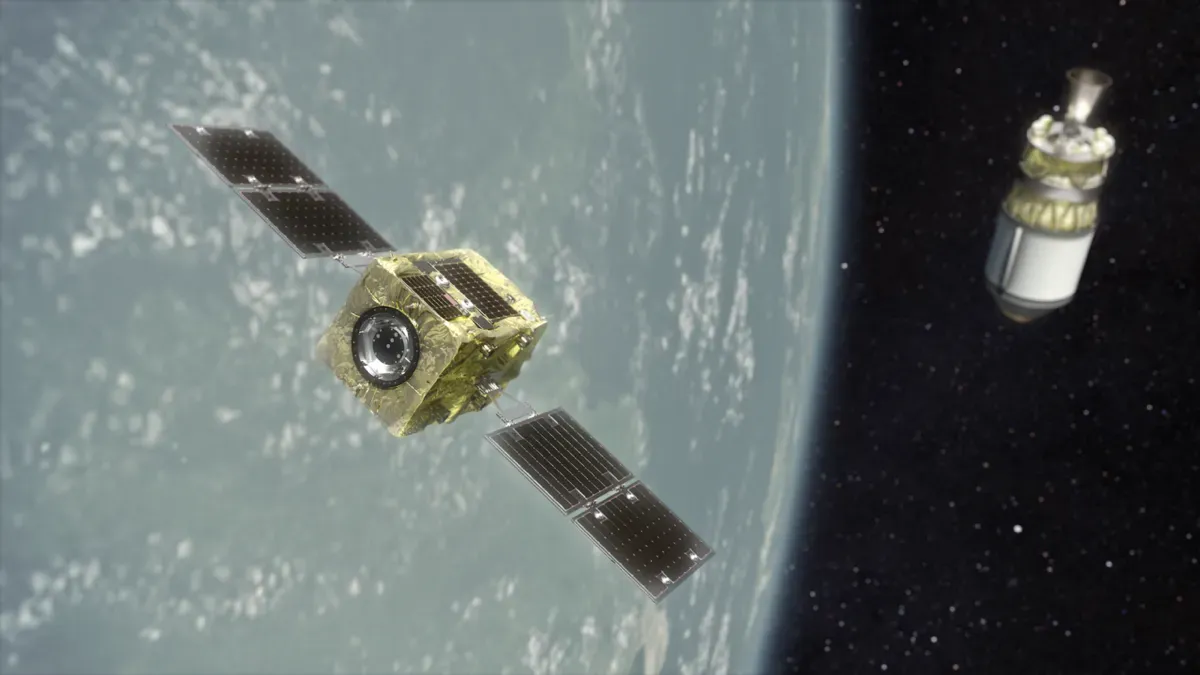
Telling satellites to de-orbit themselves only works if they still function. For the ones that fail, someone has to go up and fetch them. Astroscale flew ELSA-d to prove a servicer could find and grab a satellite in orbit, and its UK subsidiary is now building ELSA-M to remove a real, retired OneWeb satellite.
Planetary engineering · Space frontiers
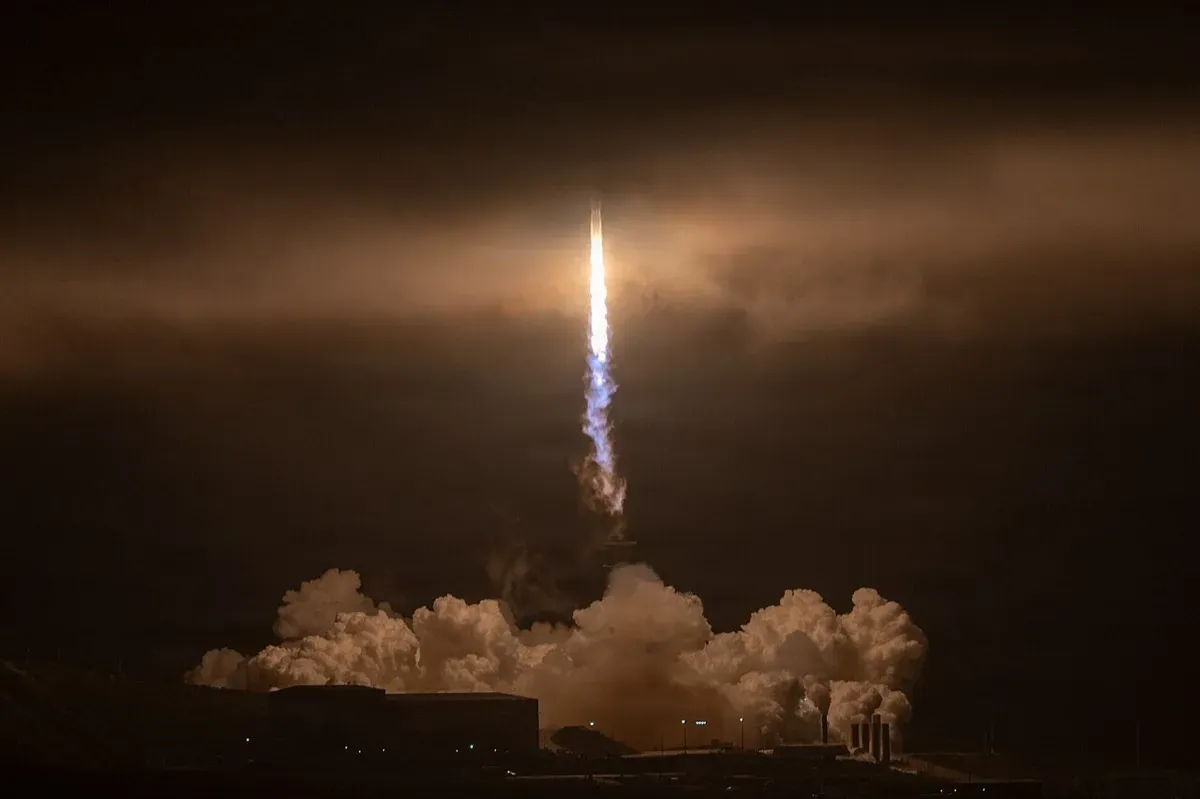
A small spacecraft that rides a rocket, then carries customers' satellites to separate orbital slots, tests new hardware in space and, at the end of its life, empties its tanks and drifts down to burn up. D-Orbit has now flown 26 commercial ION missions.
Planetary engineering · Space frontiers
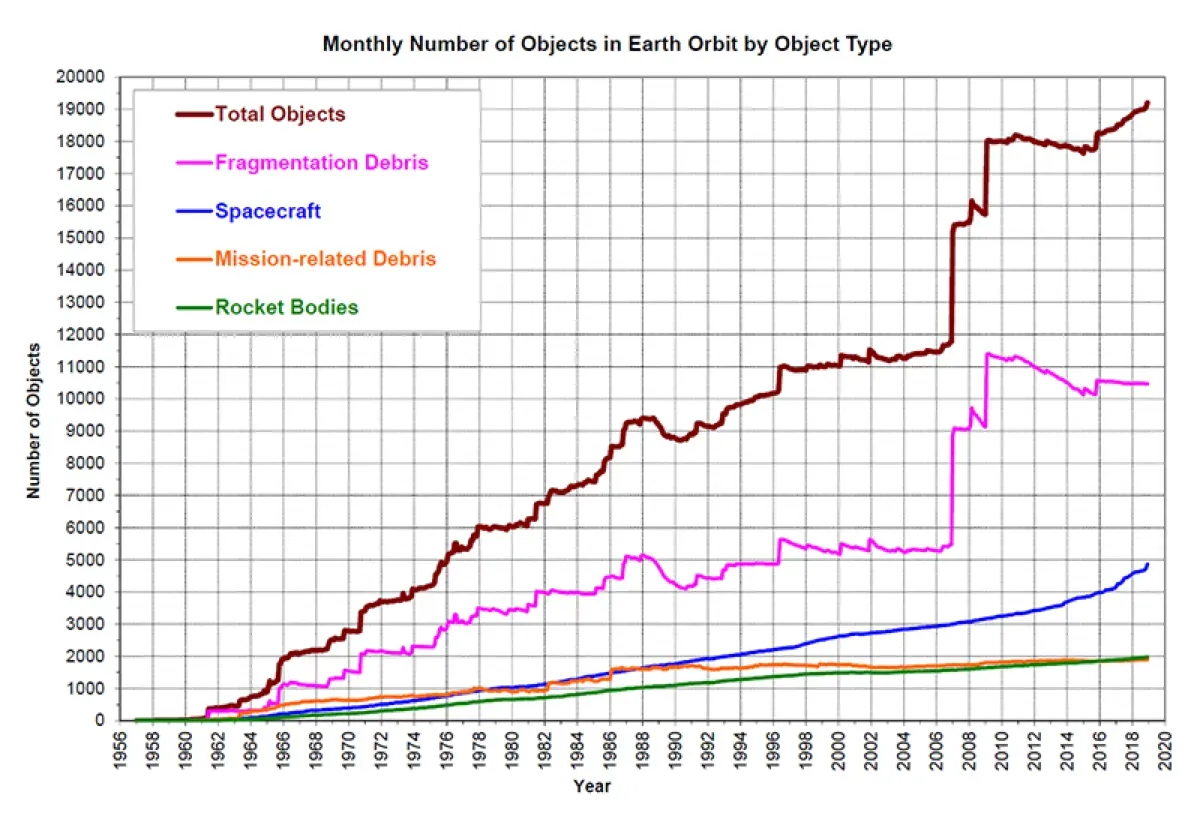
Most space debris is tracked from the ground, by radars and telescopes limited by weather, daylight and geography. Bengaluru start-up Digantara launched SCOT, a satellite that watches other objects from orbit, and now sells collision warnings to governments. It is also moving fast into missile tracking.
Planetary engineering · Space frontiers
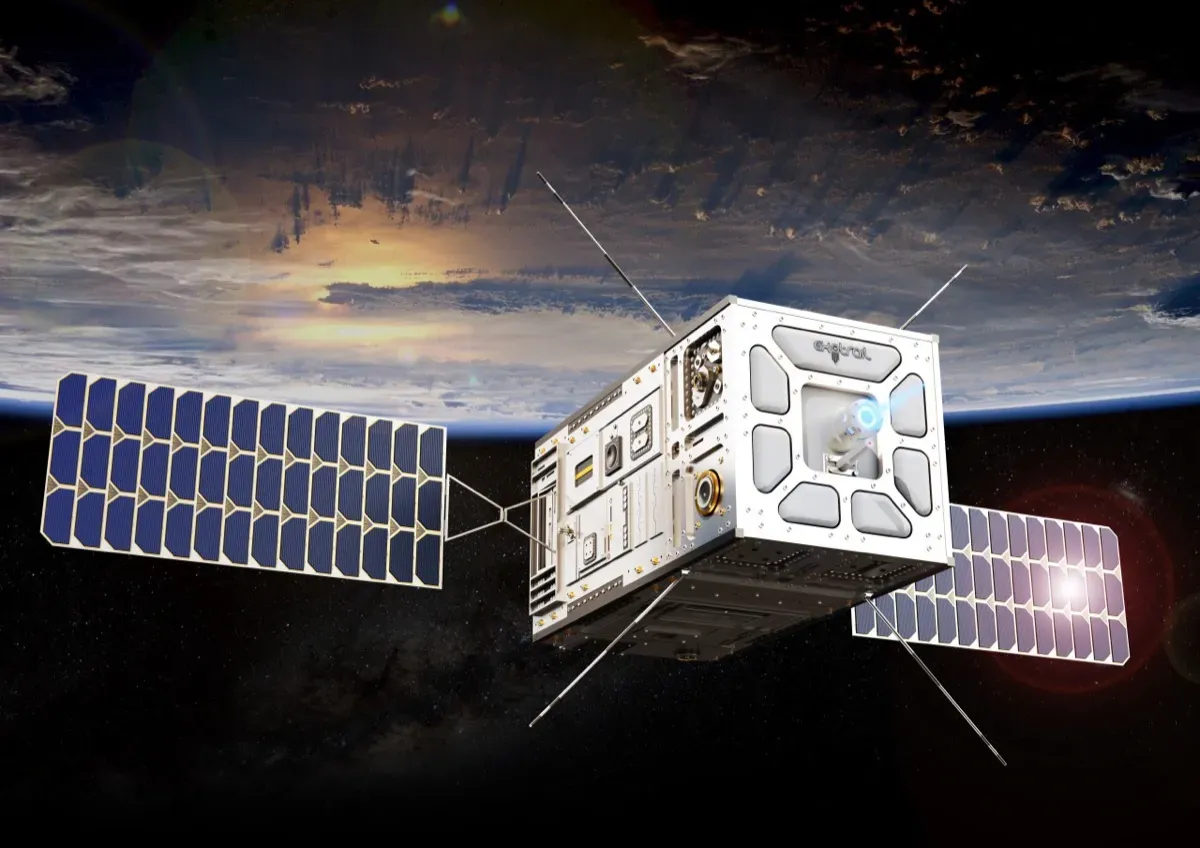
Hall-effect thrusters used to be the size of a fridge and need kilowatts of power. Exotrail shrank the technology for small satellites, giving them the ability to change orbit, avoid collisions and de-orbit at the end of their lives. It first flew on an Indian rocket in 2020 and now sells to satellite makers in Europe and India.
Advanced technology · Deep space exploration
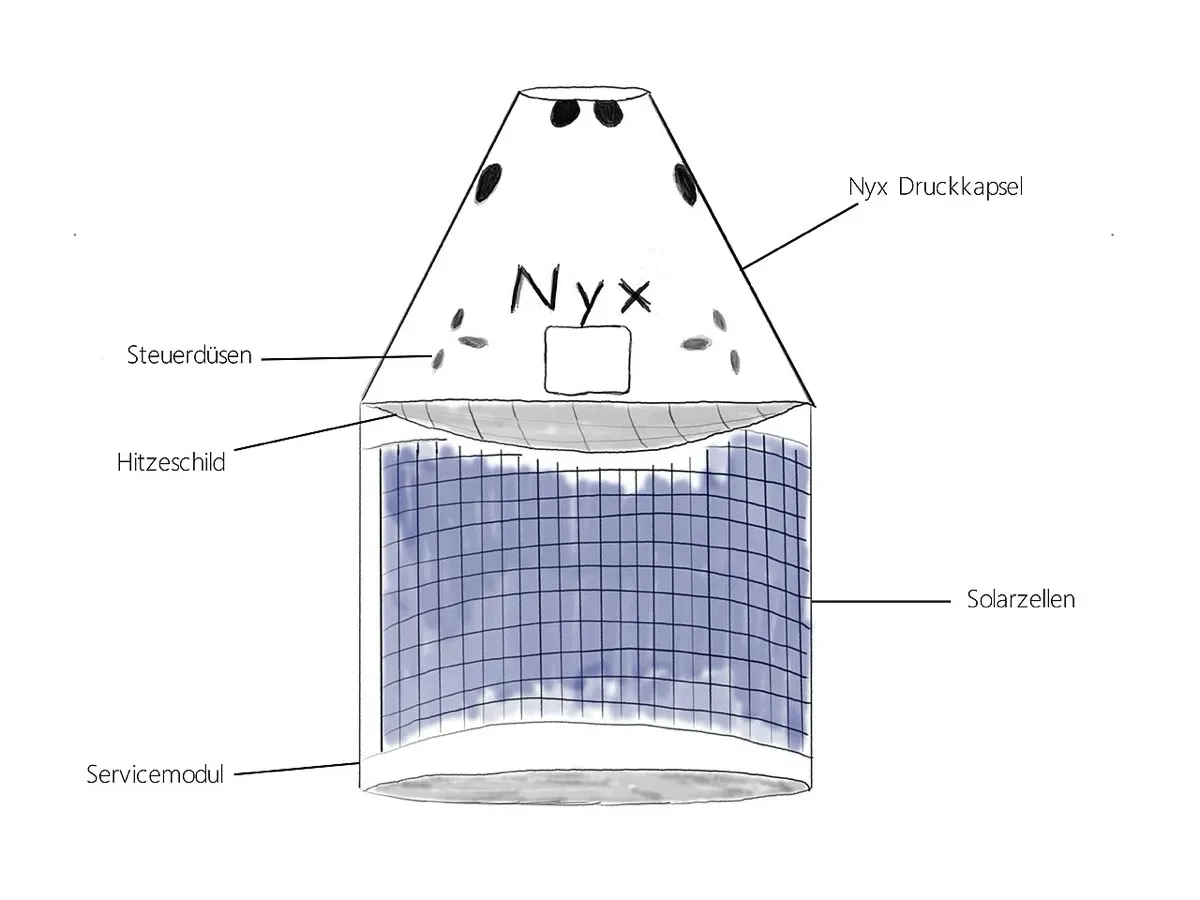
Only American spacecraft can currently bring cargo back from the International Space Station. The Exploration Company, a five-year-old European start-up, is building Nyx, a reusable capsule designed to carry three tonnes of cargo up and back. In September 2026 ESA backed it with a €760 million contract.
Advanced technology · Extreme environment engineering
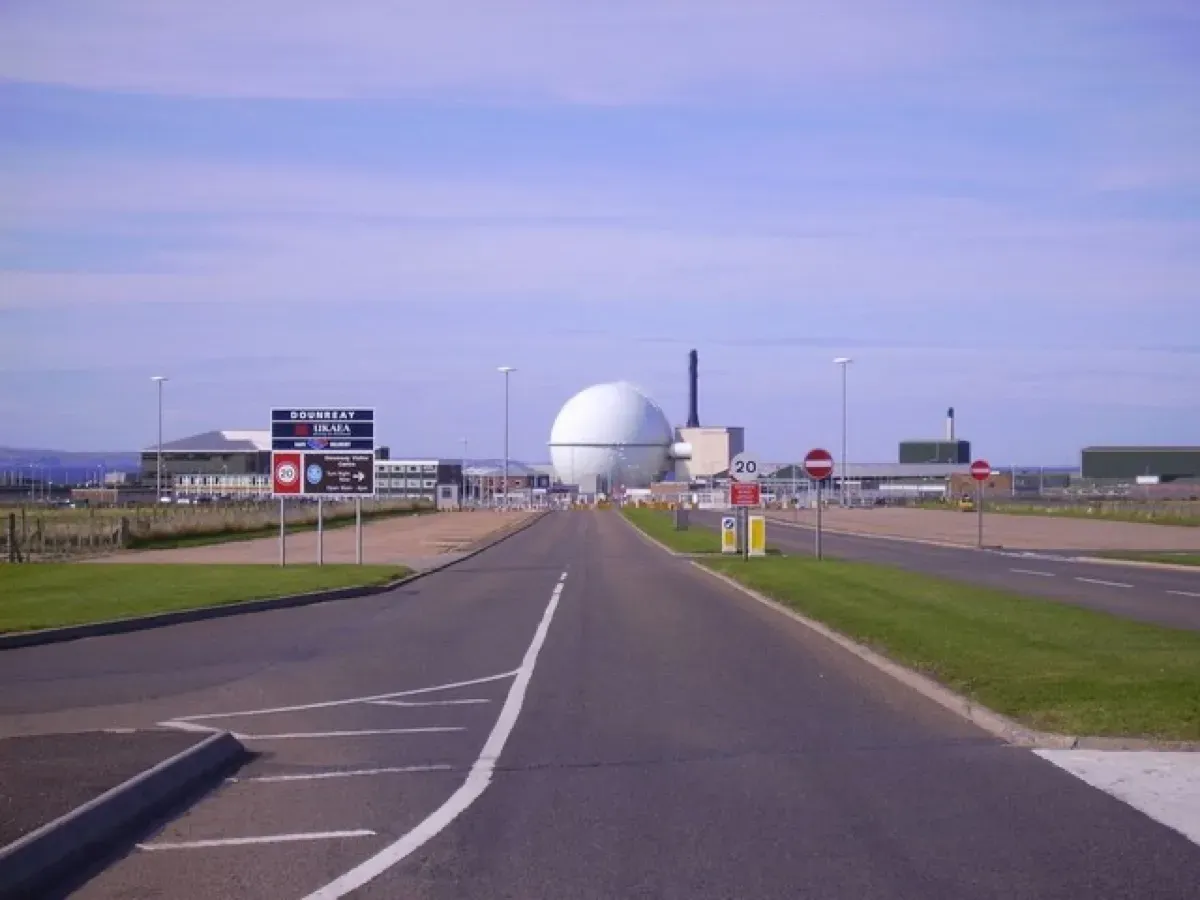
Cleaning up old nuclear sites means sending people into rooms where nobody knows how radioactive things are. A small company in Cockermouth, Cumbria, builds a gamma camera that maps radiation hot spots in three dimensions from a safe distance. Sellafield calls it the only instrument that meets its needs, and versions of it have looked inside Fukushima's damaged reactors.
Advanced technology · NanoTech
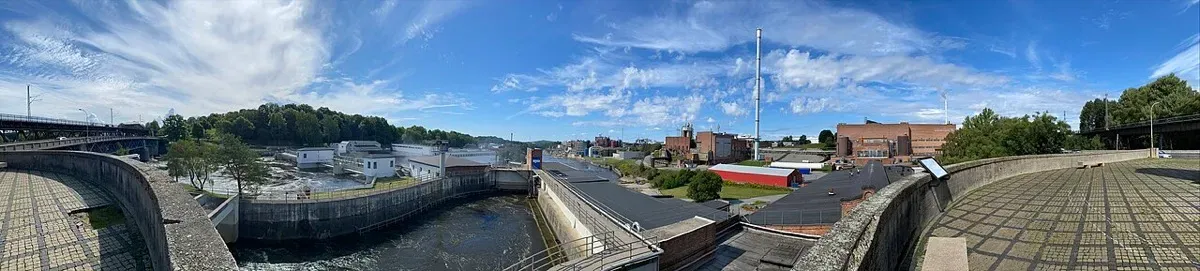
Farmers sow billions of seeds coated in thin films that hold pesticides, nutrients and colour in place. Many of those films are made with synthetic polymers that end up as microplastics in soil. At its biorefinery in Sarpsborg, Norway, Borregaard breaks wood cellulose down into fibrils with nanometre-scale diameters and sells them as Exilva, a biodegradable alternative.
Advanced technology · NanoTech
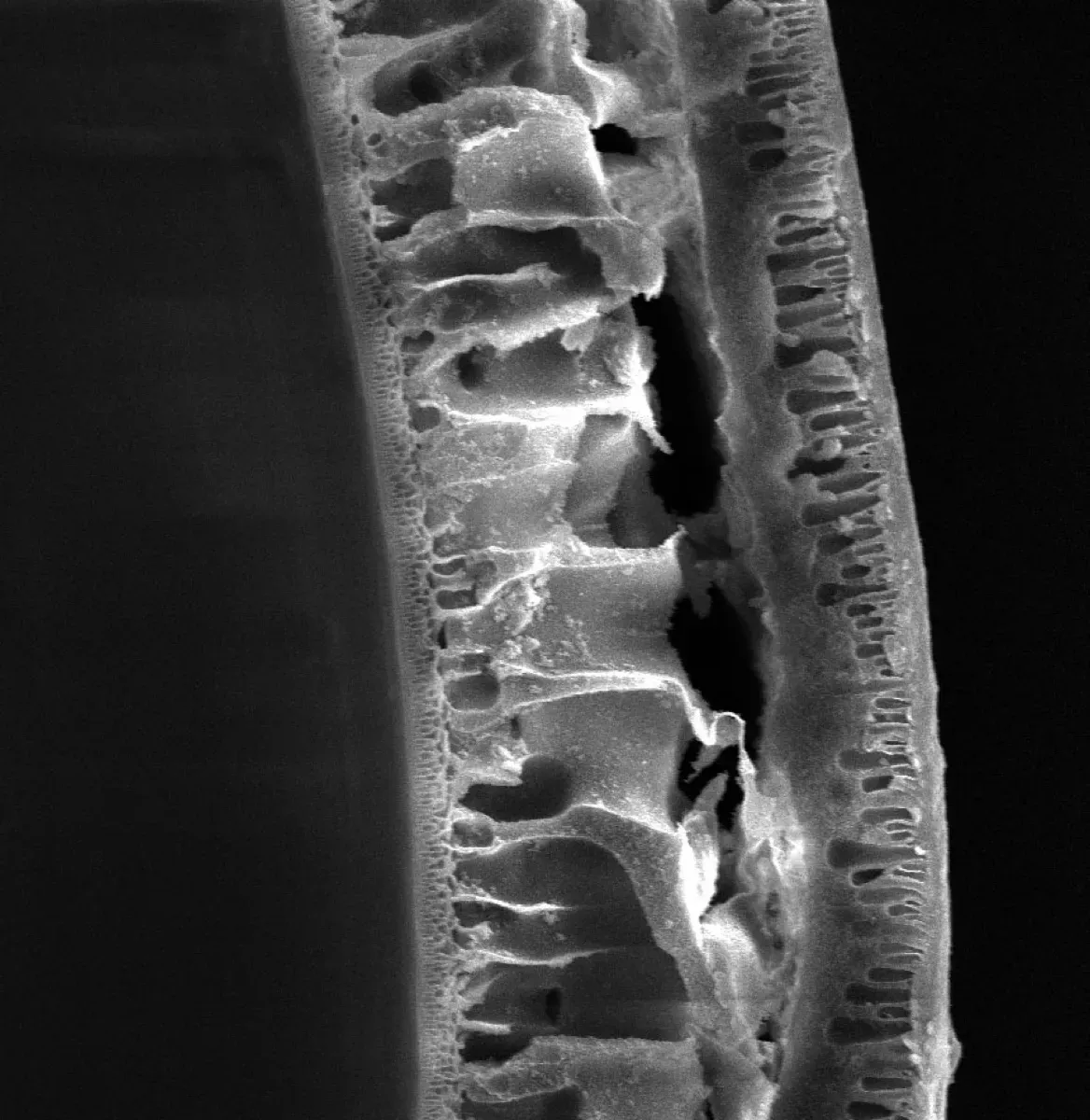
"Forever chemicals" are turning up in rivers and lakes across Europe, and old treatment plants struggle to remove them. A company in Hengelo makes hollow fibres with nanometre-scale pores that hold back PFAS, pesticides and pathogens while letting useful minerals through. In 2026 it won its biggest order yet: the membranes for what it says will be the world's largest plant of its kind, in Östersund, Sweden.
Advanced technology · NanoTech
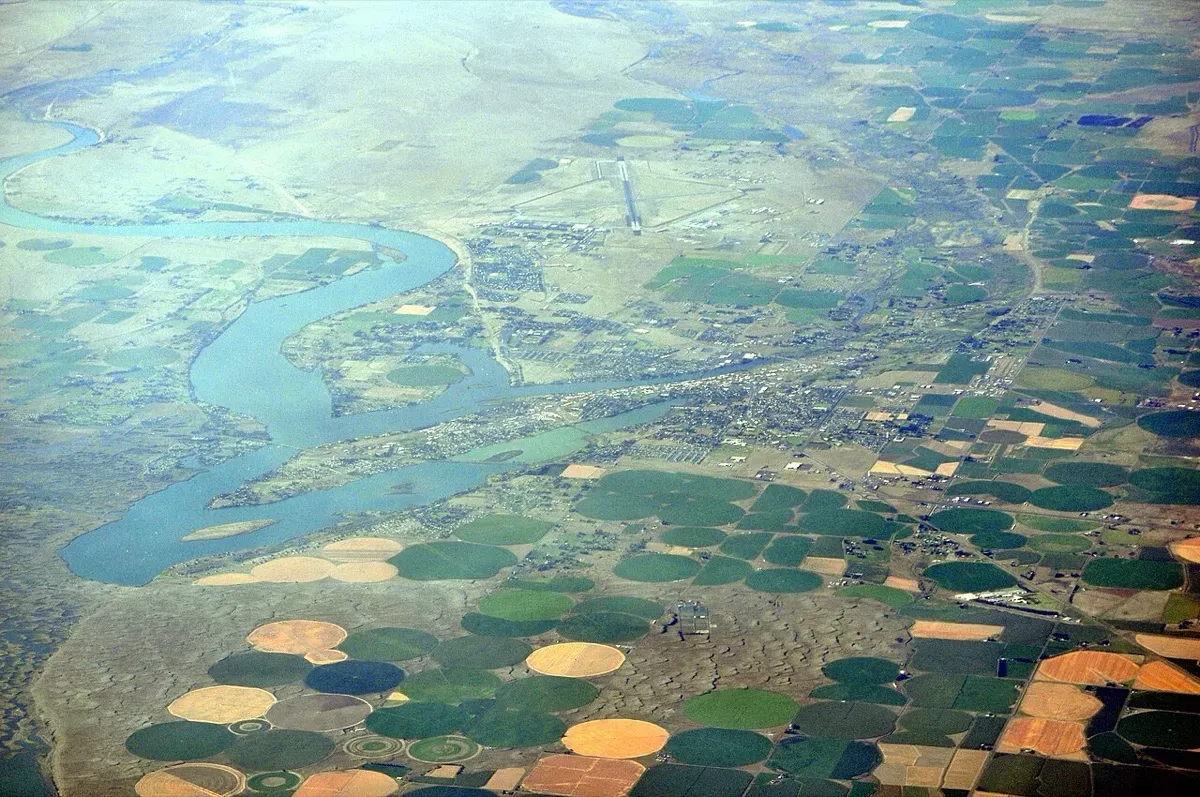
Almost every lithium-ion battery stores its lithium in graphite, and most of that graphite is processed in China. Sila, a Californian company founded in 2011, has spent more than a decade engineering a porous silicon material that holds far more lithium without breaking itself apart. In September 2025 it began operating an automotive-scale plant in Moses Lake, Washington, powered by hydropower.