Advanced technology

4sub-categories
20Insights

Airbus Orion European Service Module: the Bremen-built powerhouse that kept the Artemis II crew alive around the Moon

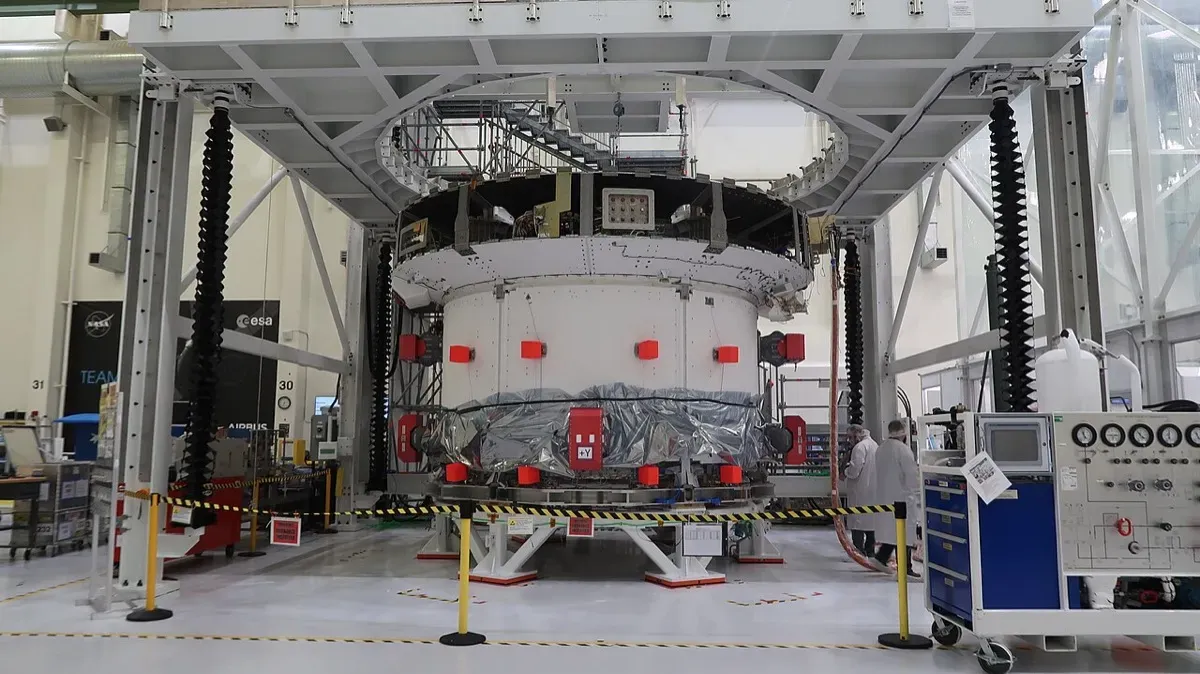
In April 2026, four astronauts flew farther from Earth than any humans before them. The capsule they rode in was American, but the module that pushed them to the Moon and supplied their air, water and power was built by Airbus in Bremen for the European Space Agency. It is Europe's biggest piece of flight hardware in human deep space exploration.
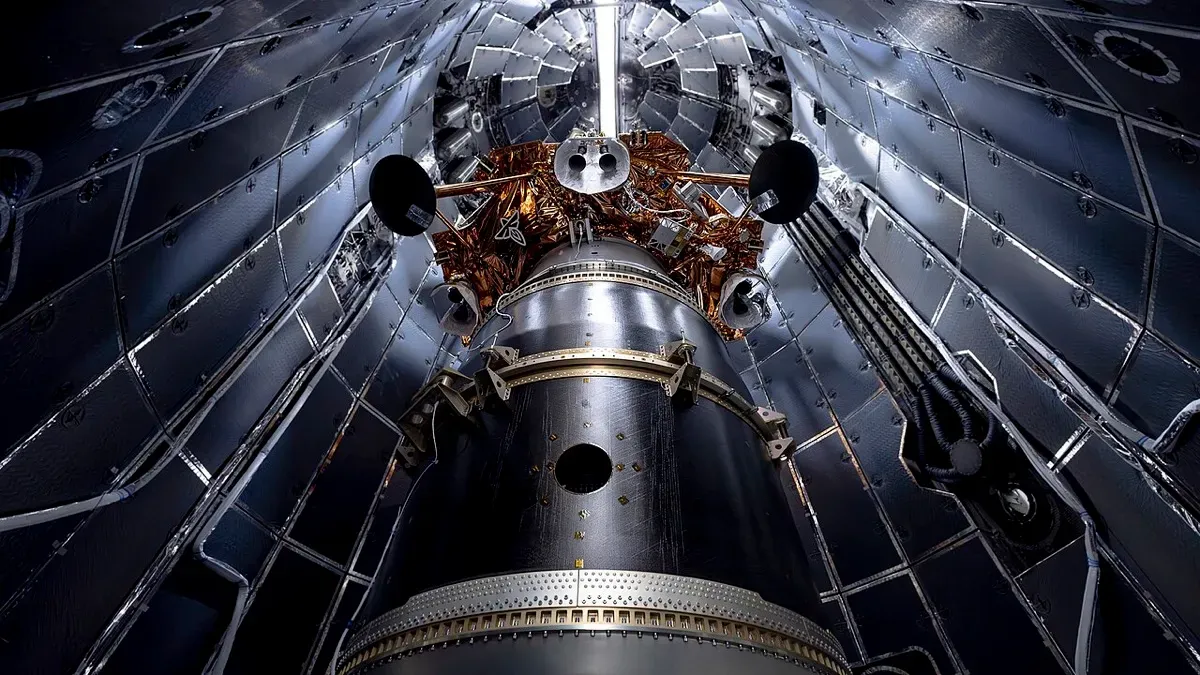

Firefly Blue Ghost: the commercial lunar lander that touched down upright and worked through a full lunar day

In March 2025, a lander built by Texas company Firefly Aerospace settled gently onto the Moon and ran ten NASA experiments for two weeks, from drilling into the soil to tracking Europe's Galileo navigation signals from the lunar surface. Blue Ghost showed that a private company can deliver science to the Moon reliably. Firefly is now building landers for the far side and the Gruithuisen Domes.

Godrej Aerospace: the Mumbai factory that builds engines for India's Moon and Mars missions

When Chandrayaan-3 lifted off for the Moon in July 2023, the engines in its rocket's core stage and the thrust chamber of its cryogenic upper stage had been made in a Mumbai suburb better known for locks and steel cupboards. Godrej Aerospace has supplied ISRO for decades and has now delivered the first human-rated engine for India's crewed Gaganyaan programme.

Createc N-Visage: the Cumbrian camera that sees radiation in 3D, from Sellafield to Fukushima

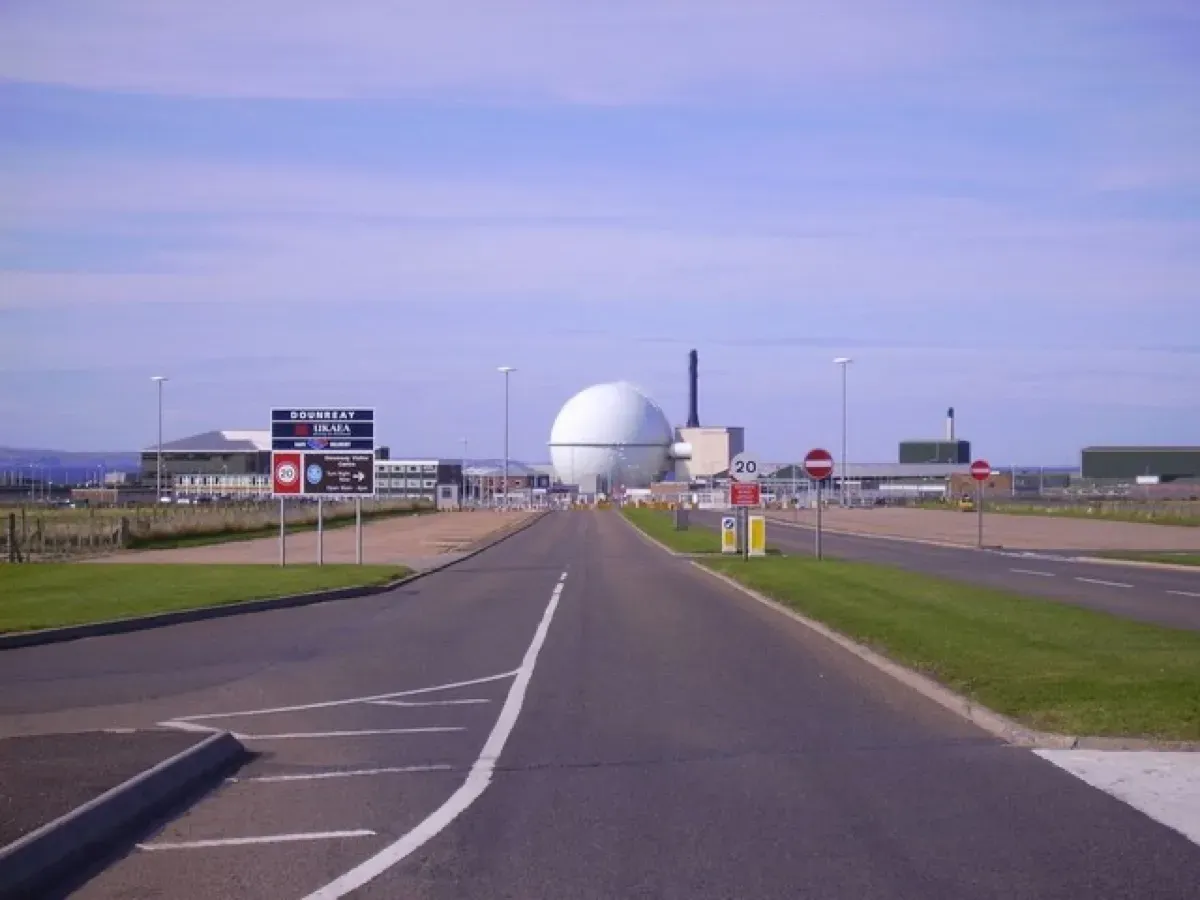
Cleaning up old nuclear sites means sending people into rooms where nobody knows how radioactive things are. A small company in Cockermouth, Cumbria, builds a gamma camera that maps radiation hot spots in three dimensions from a safe distance. Sellafield calls it the only instrument that meets its needs, and versions of it have looked inside Fukushima's damaged reactors.

ExRobotics ExR-2.5: the Dutch robot that patrols explosive zones and sniffs out methane leaks

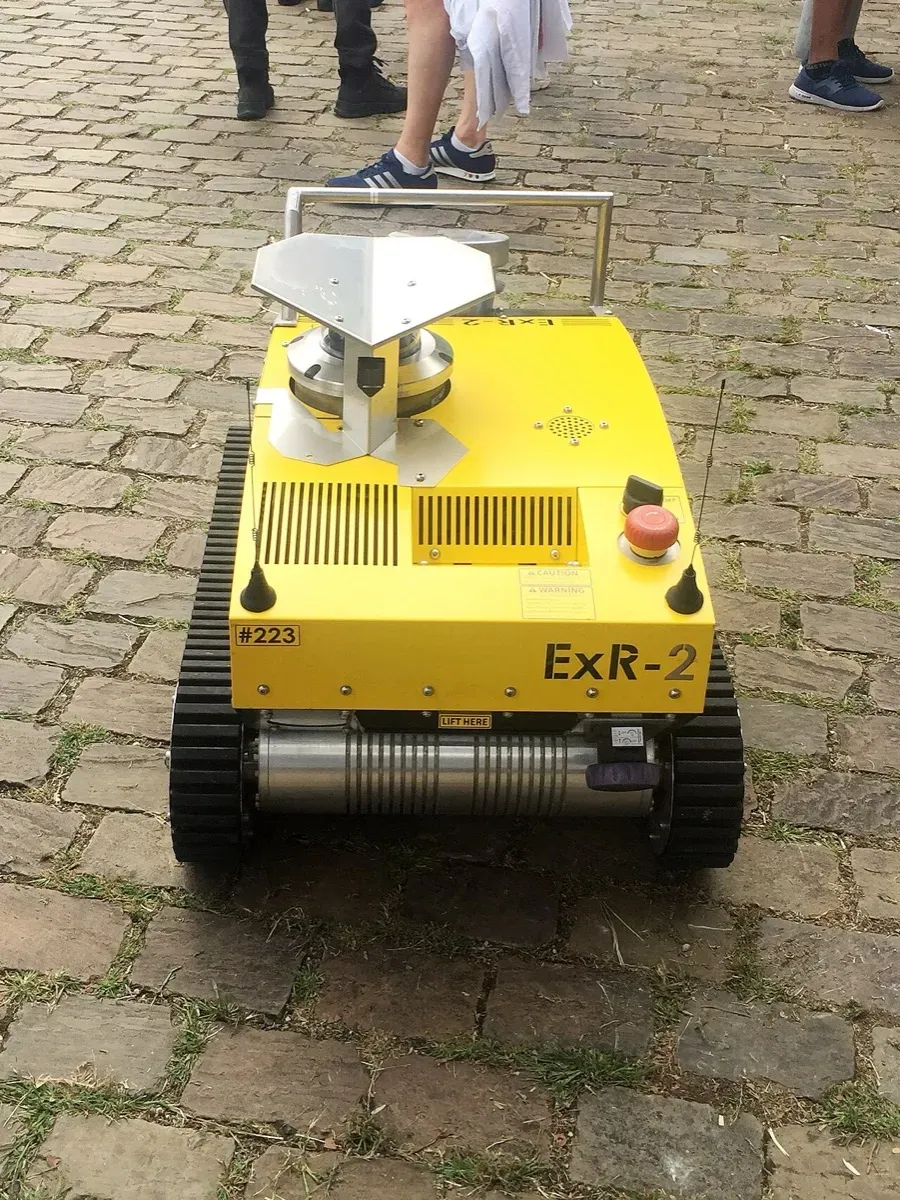
In parts of refineries, offshore platforms and chemical plants, a single spark could ignite the air. A small company in Delft builds wheeled robots certified to work safely in those zones, patrolling twice a day, reading gauges and detecting gas leaks while people stay away. In June 2026 its ExR-2.5 became the first robot to earn UL's new hazardous location certification.

Genrobotics Bandicoot: the Kerala robot that goes into toxic sewers so people don't have to

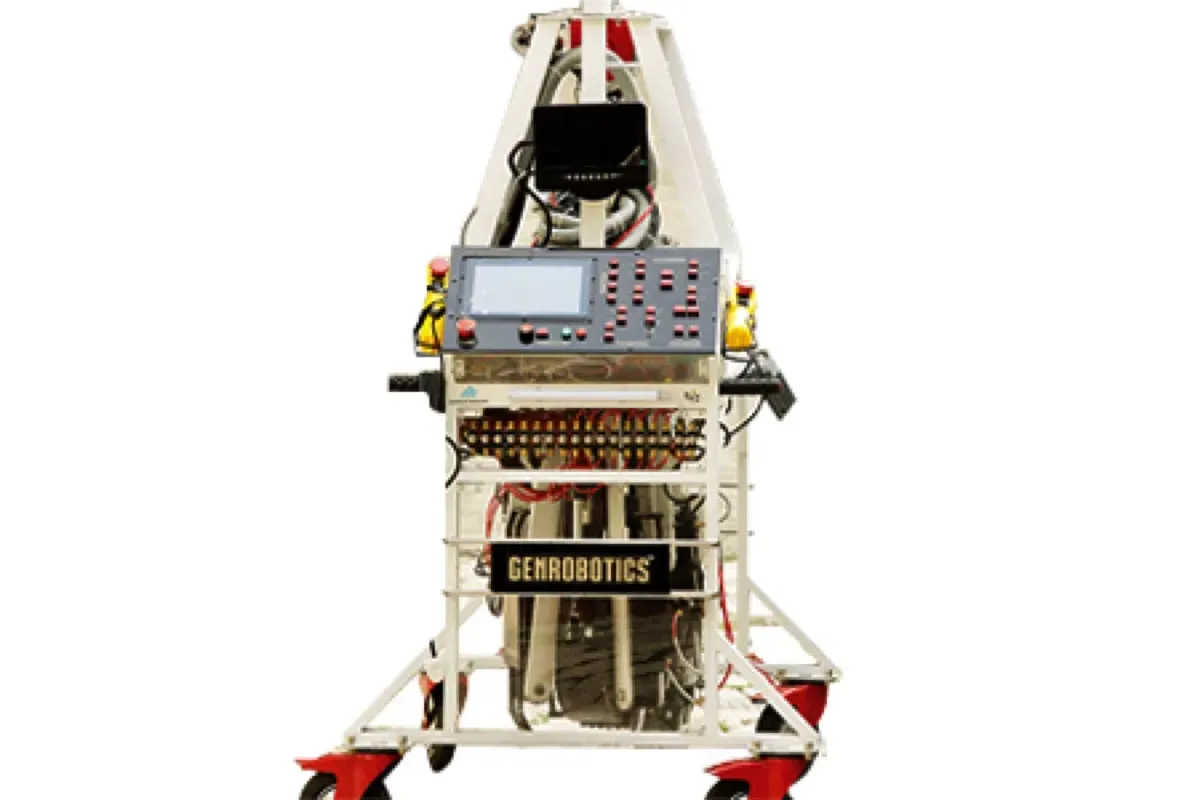
Every year, sanitation workers in India die inside sewers and septic tanks, overcome by toxic gas or drowned in sludge. A group of young engineers from Kerala built Bandicoot, a robot that climbs down a manhole and does the cleaning while the operator stays at the surface. It now works in more than 180 towns and cities across 23 states.

Borregaard Exilva: the wood-based nanofibres replacing microplastics in seed coatings

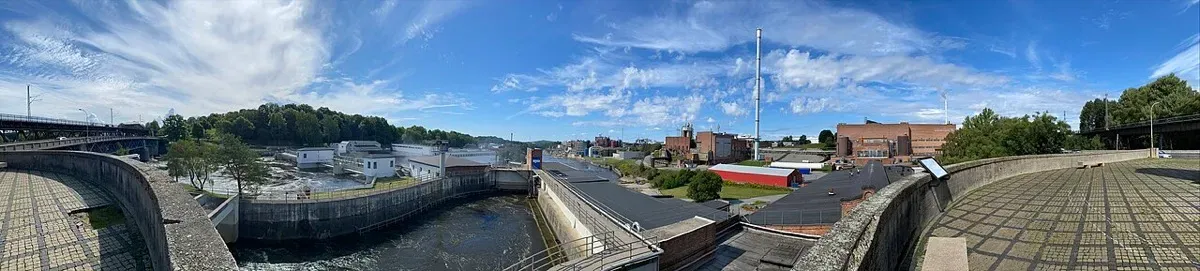
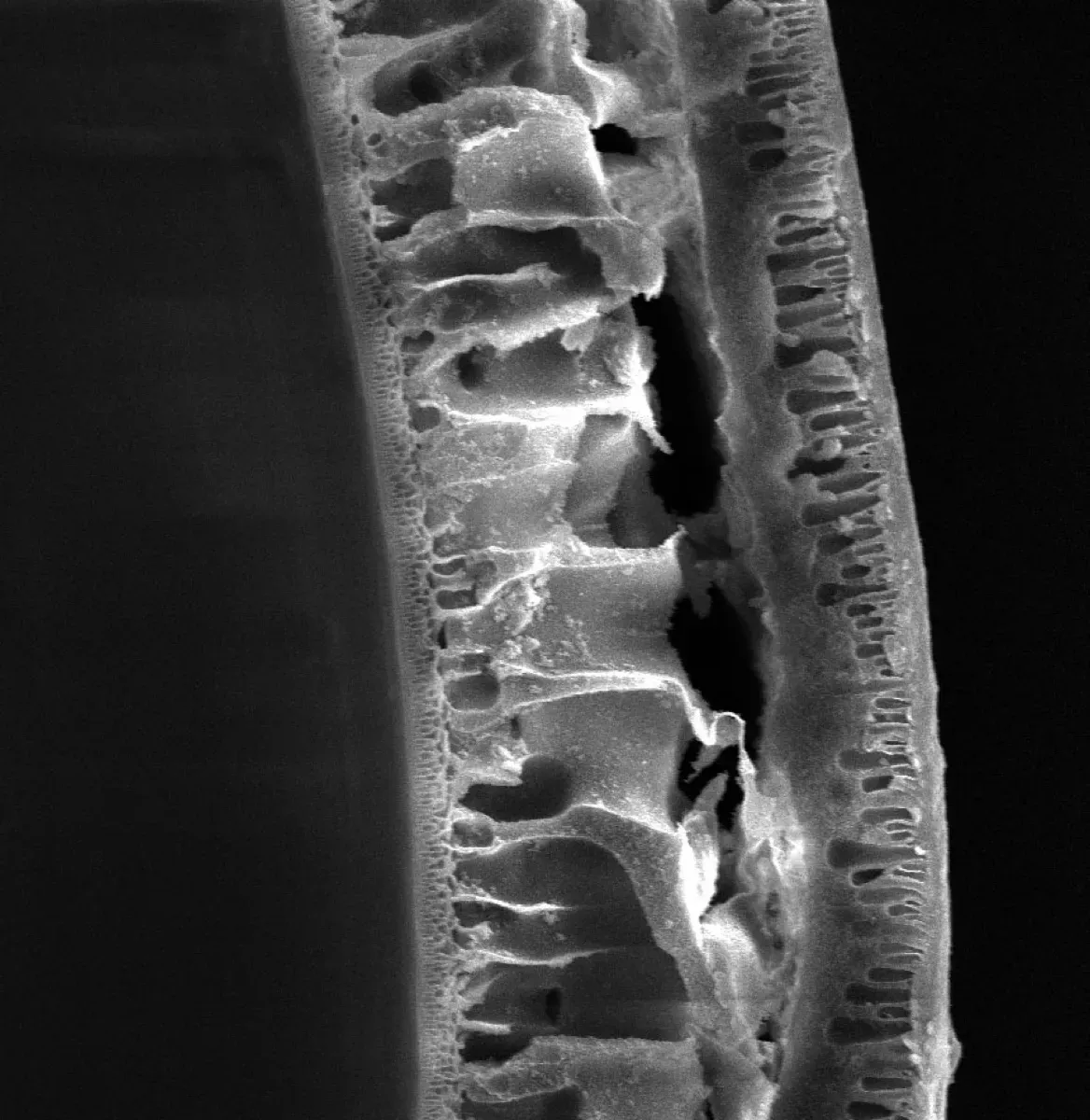
Farmers sow billions of seeds coated in thin films that hold pesticides, nutrients and colour in place. Many of those films are made with synthetic polymers that end up as microplastics in soil. At its biorefinery in Sarpsborg, Norway, Borregaard breaks wood cellulose down into fibrils with nanometre-scale diameters and sells them as Exilva, a biodegradable alternative.

Elmarco Nanospider: the Czech machine that spins nanofibres by the square kilometre for cleaner air and water

Nanofibres, hundreds of times thinner than a human hair, make excellent filters, battery separators and wound dressings. The problem has always been making enough of them. In Liberec, in the north of the Czech Republic, Elmarco turned a university invention into the first industrial machines that spin nanofibres without needles, in webs up to two metres wide. In 2026 its team was a finalist for the European Inventor Award.

NX Filtration: the Dutch nano-membranes that pull PFAS and parasites out of drinking water without chemicals

"Forever chemicals" are turning up in rivers and lakes across Europe, and old treatment plants struggle to remove them. A company in Hengelo makes hollow fibres with nanometre-scale pores that hold back PFAS, pesticides and pathogens while letting useful minerals through. In 2026 it won its biggest order yet: the membranes for what it says will be the world's largest plant of its kind, in Östersund, Sweden.

CEA Clinatec WIMAGINE: the French wireless brain implant behind the digital bridge, now tested for stroke recovery

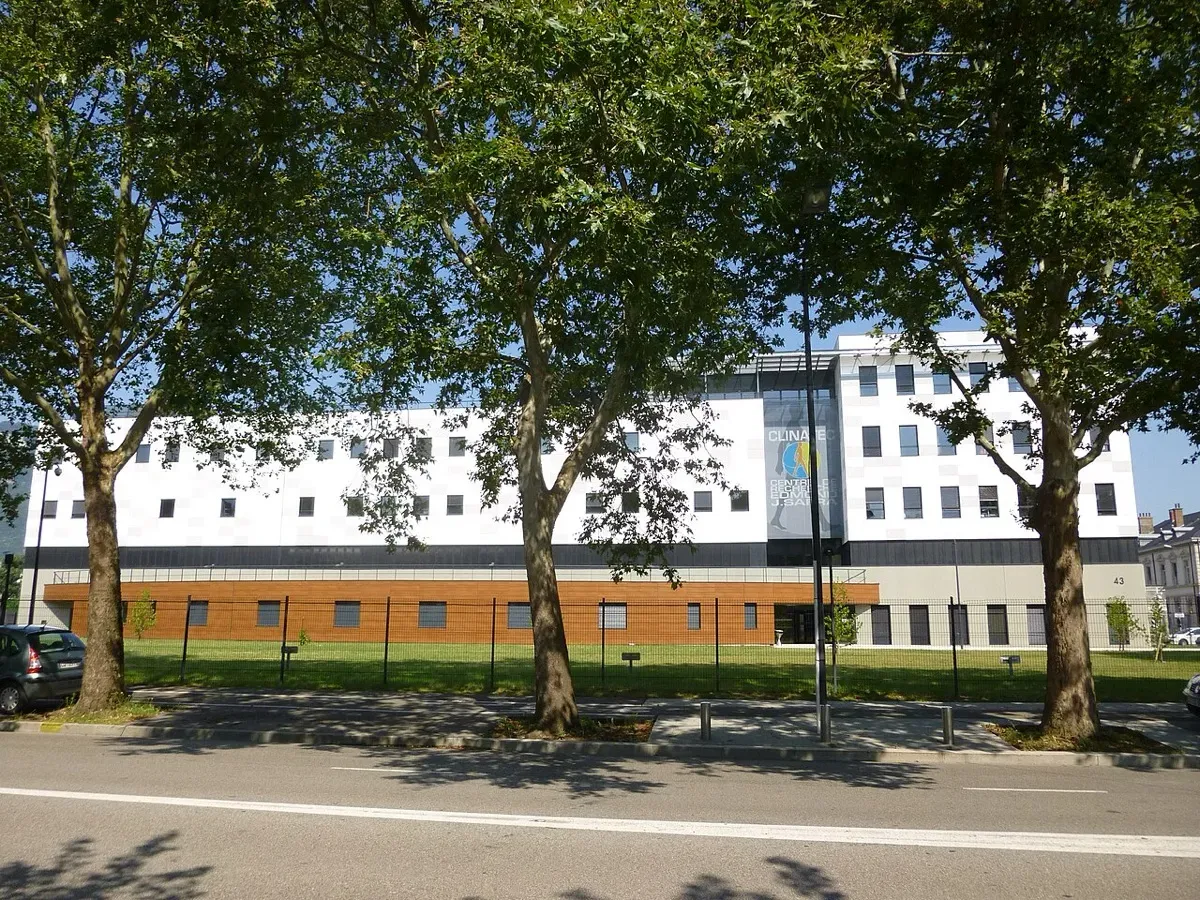
In 2023 a Dutch man paralysed in a cycling accident said he had regained the pleasure of sharing a beer standing at a bar with friends, after learning to walk again by thought. The brain half of that "digital bridge" was WIMAGINE, a wireless implant built by France's public research body CEA at its Clinatec centre in Grenoble. In June 2026 the same implant went into its first stroke patient, in a trial to see whether brain-driven therapy can restore arm movement.

g.tec recoveriX: an Austrian brain-computer interface that helps stroke survivors relearn movement by imagining it

After a stroke, many people cannot move a hand or lift a foot, and conventional therapy often stalls. recoveriX, made by g.tec medical engineering in Austria, reads brain activity through an EEG cap. Only when the patient correctly imagines a movement does an avatar move on screen and an electrical stimulator move the real limb. It is one of the few brain-computer interfaces already used as therapy in ordinary clinics.

INBRAIN Neuroelectronics: a graphene brain interface from Barcelona, ten micrometres thin, tested in human brain surgery

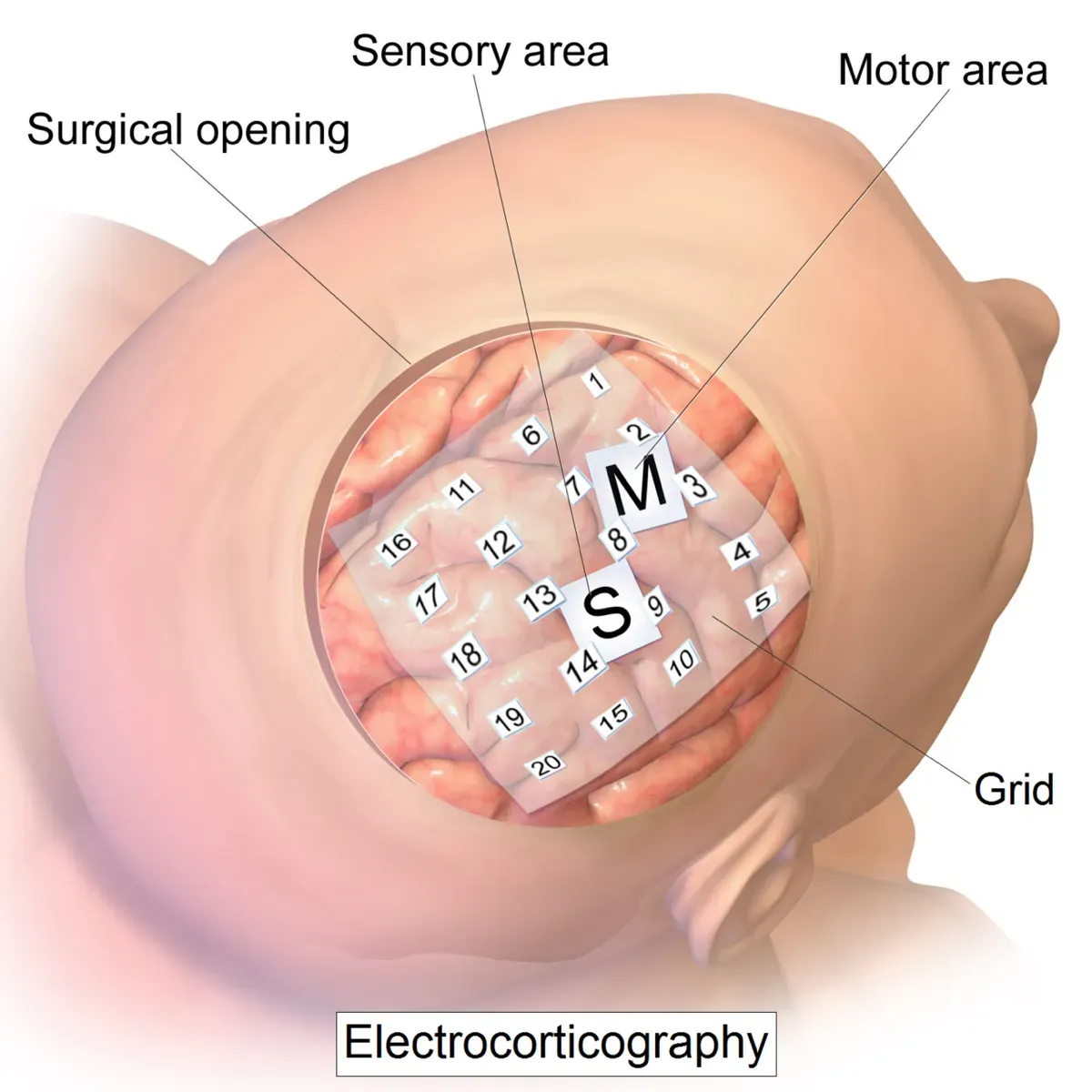
Metal electrodes on the brain are stiff, bulky and blind to fine detail. INBRAIN Neuroelectronics, a spin-off from the Catalan Institute of Nanoscience and Nanotechnology (ICN2) and Spain's research council CSIC, replaces the metal with graphene, a sheet of carbon one atom thick. Its flexible implant is about 10 micrometres thick. In 2026 it completed the world's first clinical study of a graphene device in direct contact with the human nervous system.