Life Below Water

The oceans kept, not spent. Life under the water held as commons.

39Insights tagged

Tagged with Goal 14

Technology · BiologyAbout Carbiolice

CARBIOS Active: the French enzyme that lets PLA plastic compost at home

Plant-based PLA plastic is often sold as compostable, yet in a garden heap it barely breaks down. Carbiolice, a subsidiary of the French enzyme company CARBIOS, hides a protected enzyme inside the plastic that stays dormant while the pack is in use and wakes up only in compost. With the EU's new packaging regulation in force since August 2026, the question is whether brands will choose compostable formats for the packs that cannot be recycled.

Technology · BiologyAbout MMC Holding International

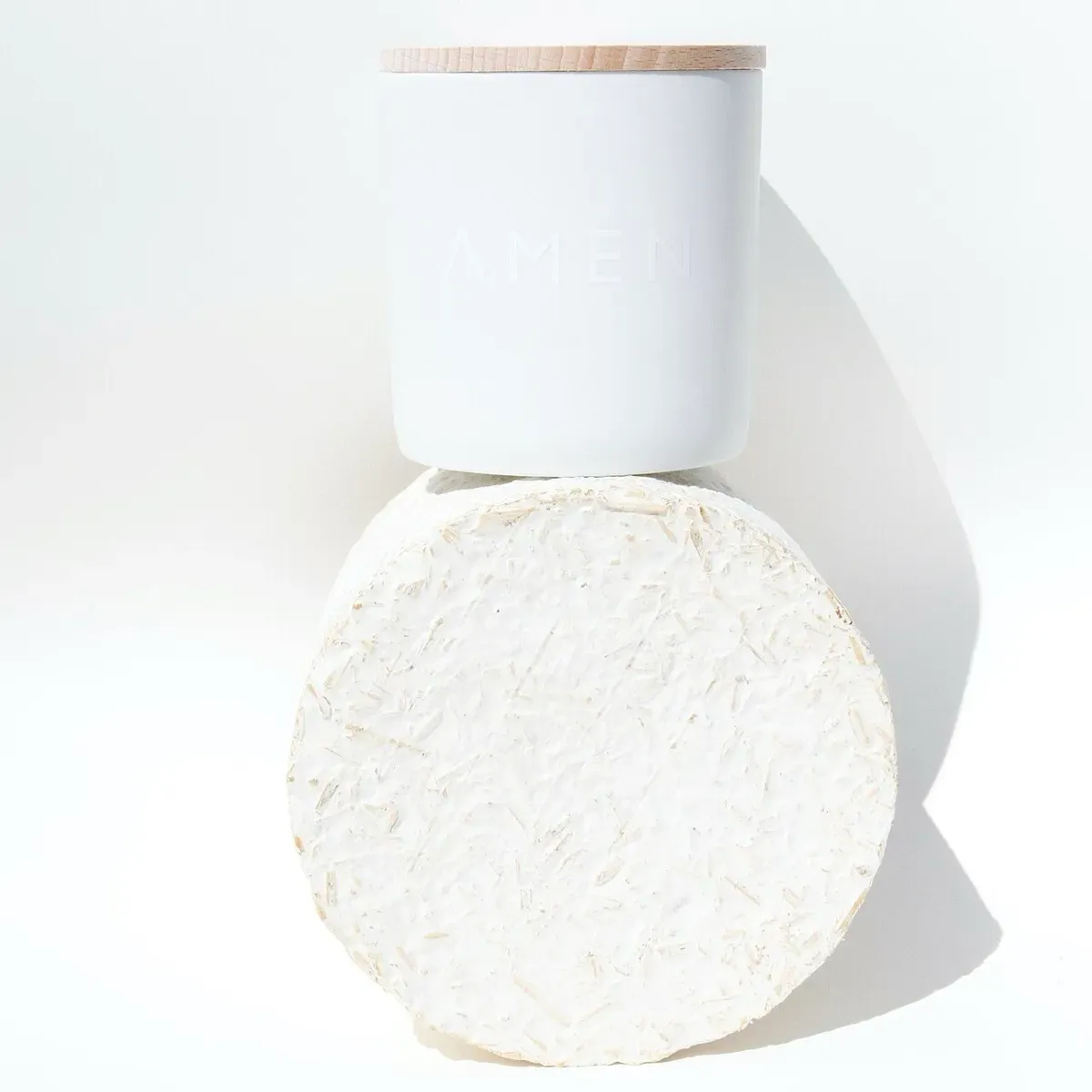
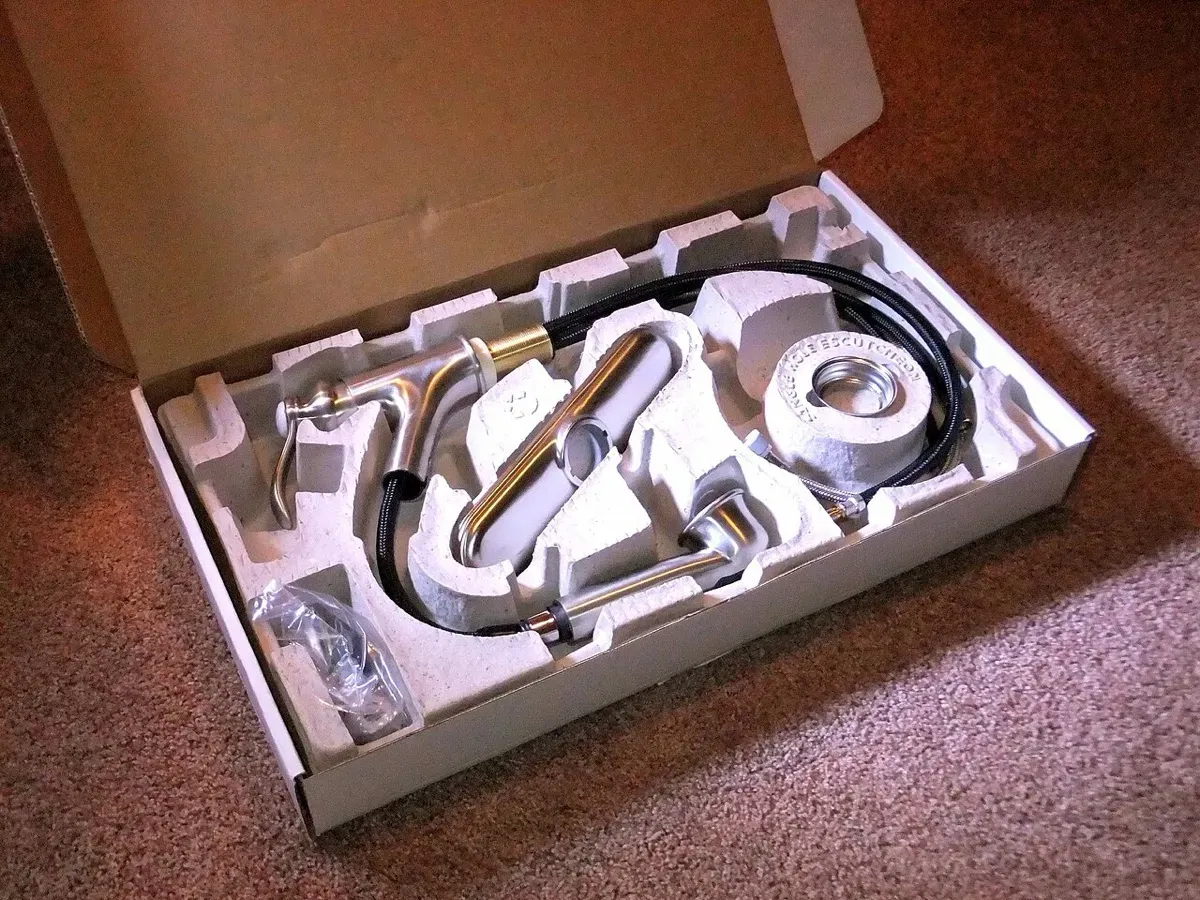
Magical Mushroom Company: growing packaging to make polystyrene a thing of the past

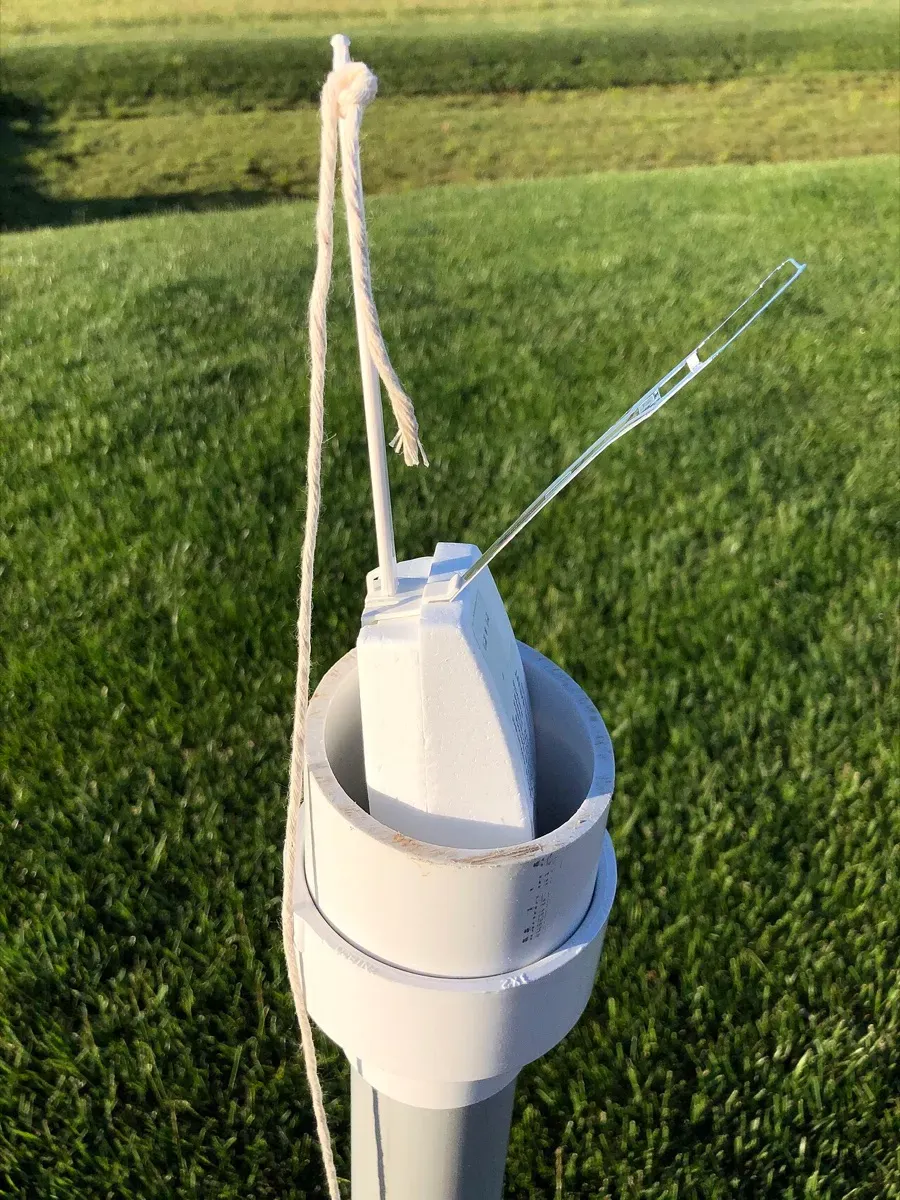
Open a box holding a speaker, a lamp or a bottle of gin and you will probably find white polystyrene foam. A British company grows a replacement instead: fungal threads knit hemp waste into a moulded insert that protects the product and can then be crumbled into a garden compost heap. Six years after first production, it says it has reached price parity with polystyrene and expects to make about 10 million units in 2026.

Technology · Biology

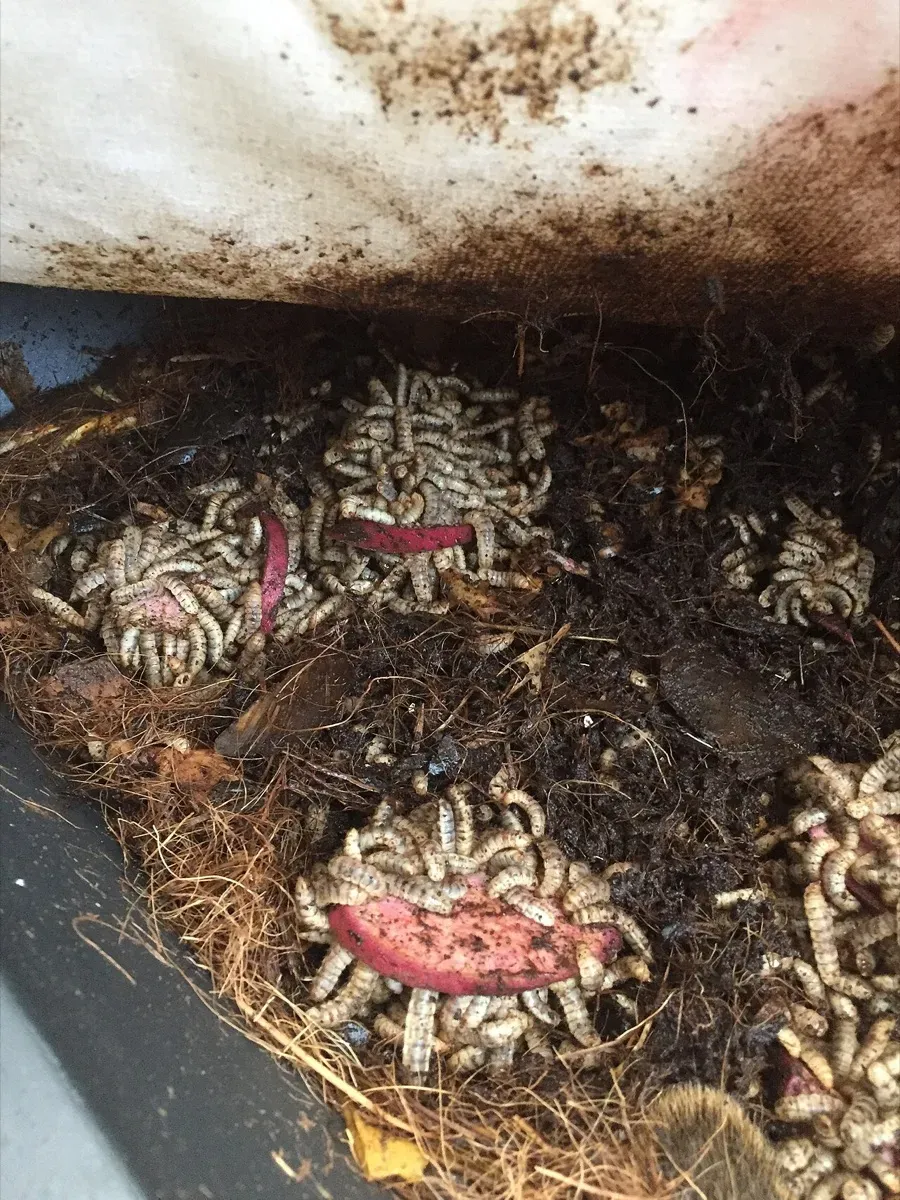
Protix: the Dutch insect protein pioneer rethinking where to grow

In a factory in Bergen op Zoom, billions of black soldier fly larvae eat food-industry by-products and become protein and fat for pets, fish and farm animals. Protix proved insect protein can be made at industrial scale in Europe. In 2026 it decided its next factories belong in Asia, faced the world's first protest against insect farming, and defended its green claims before the Dutch advertising watchdog.

Technology · Biology

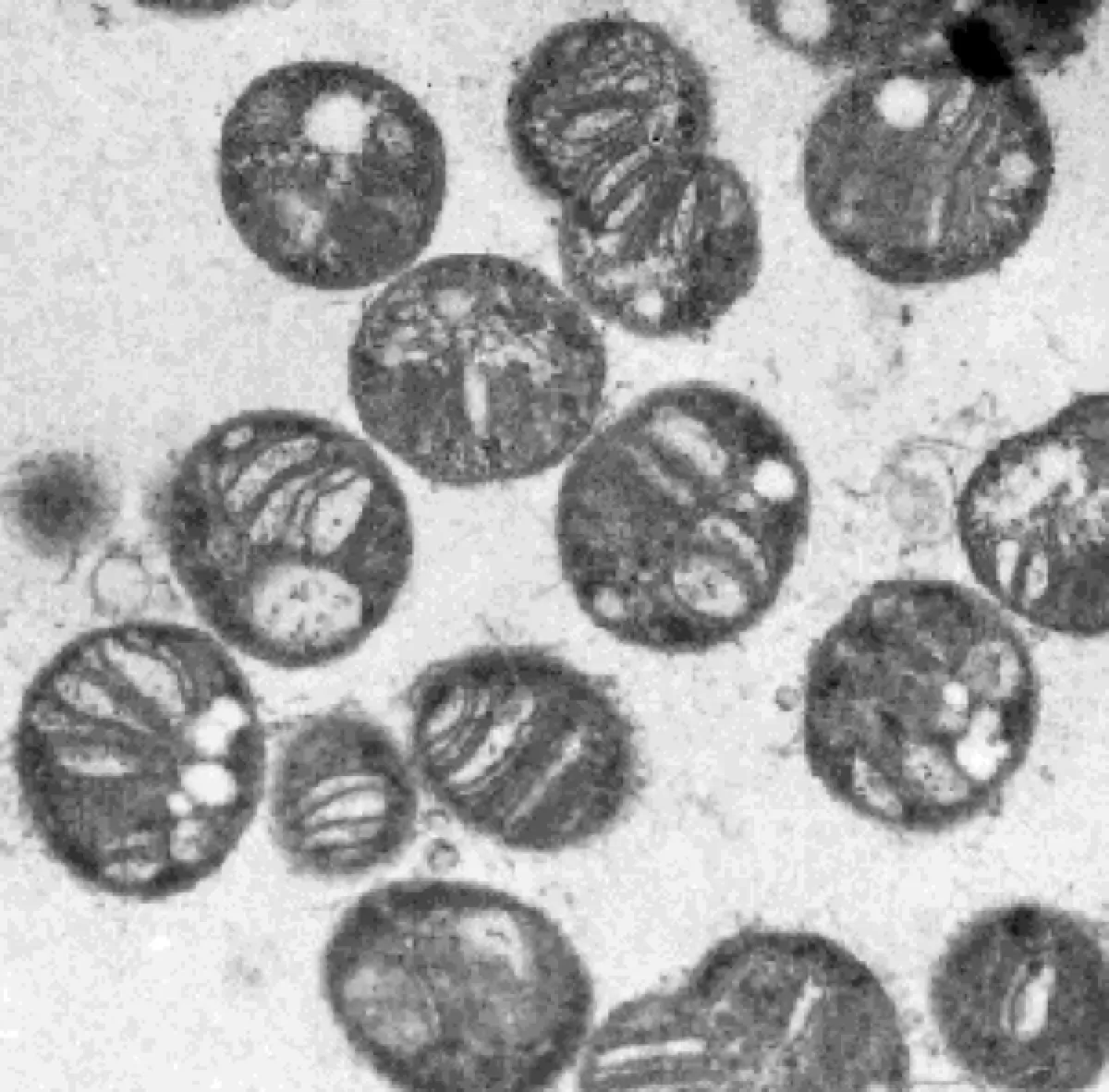
String Bio PRO-DG: the Indian protein for animal feed that is made from methane

Methane leaks from landfills, farms and gas pipes and warms the planet far faster than CO2. A Bengaluru biotech firm feeds it to bacteria and harvests a protein ingredient for shrimp, fish, poultry, pig and pet diets. PRO-DG cleared a US safety milestone in 2024, and in September 2026 the Gates Foundation backed the same platform's crop products for smallholders in Asia and Africa.

Planetary engineering · Solar radiation management

Real Ice: the British team pumping seawater onto Arctic ice to keep a bright, reflective surface for longer

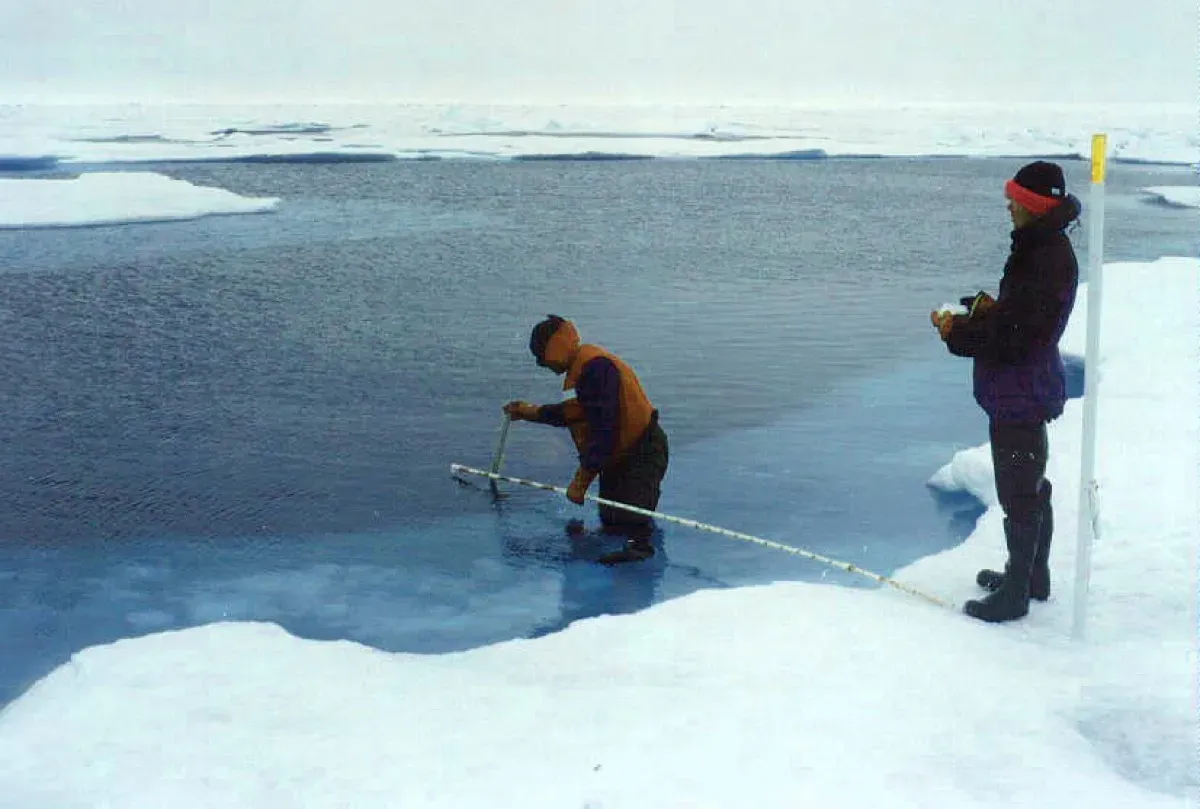
Small pumps lift seawater from under the winter ice and spread it on top, where it freezes fast. The goal is thicker, brighter ice that survives longer into summer and keeps reflecting sunlight. It is one of the most watched, and most criticised, sunlight reflection experiments in the world.

Planetary engineering · Space frontiers

Kinéis: the French nanosatellite constellation that tracks wildlife, fishing boats and forest fires from orbit

Only a small share of the planet has mobile coverage. Kinéis, based in Toulouse, put 25 nanosatellites into orbit in less than a year to collect tiny data messages from sensors anywhere on Earth. Its users include wildlife researchers, small-scale fisheries and firefighters watching remote forests.

Advanced technology · Extreme environment engineering

Kongsberg HUGIN: the robot submarine that maps the underside of Antarctica's melting ice shelves

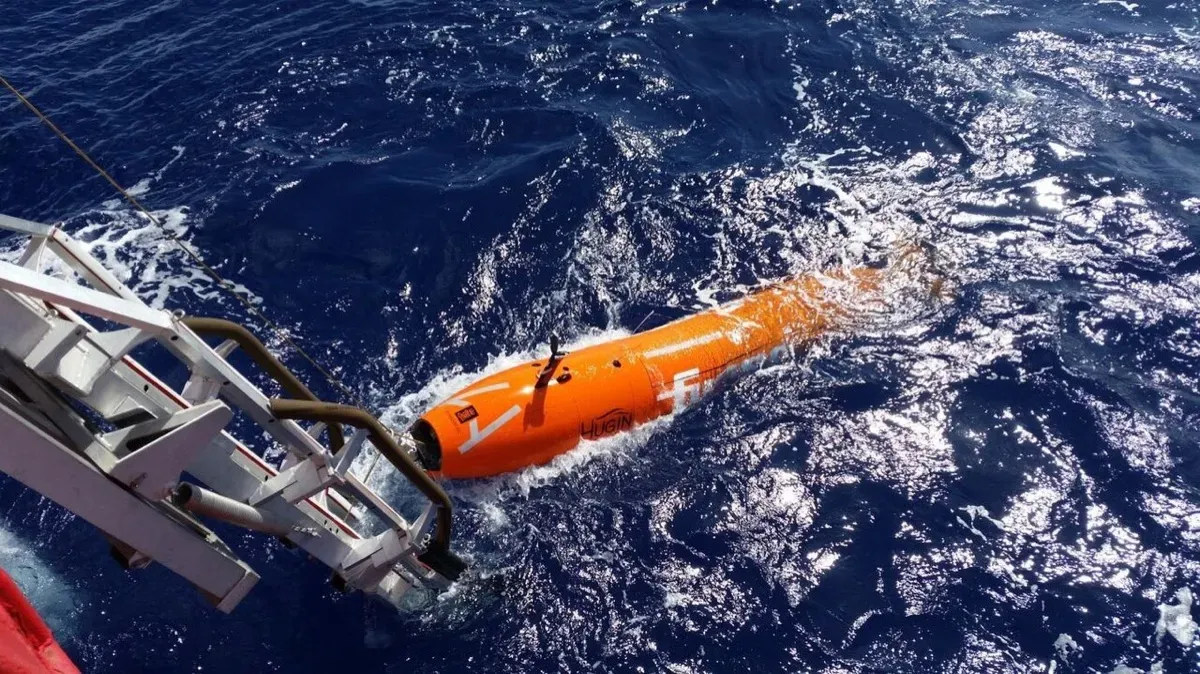
Satellites can see Antarctic glaciers shrink, but not why they melt from below. A Norwegian-built autonomous submarine called Ran swam more than 1,000 km beneath an ice shelf and sent back the first detailed maps of its underside, before vanishing under the ice in 2024. Its replacement, Ran II, is due this winter.

Advanced technology · Extreme environment engineering

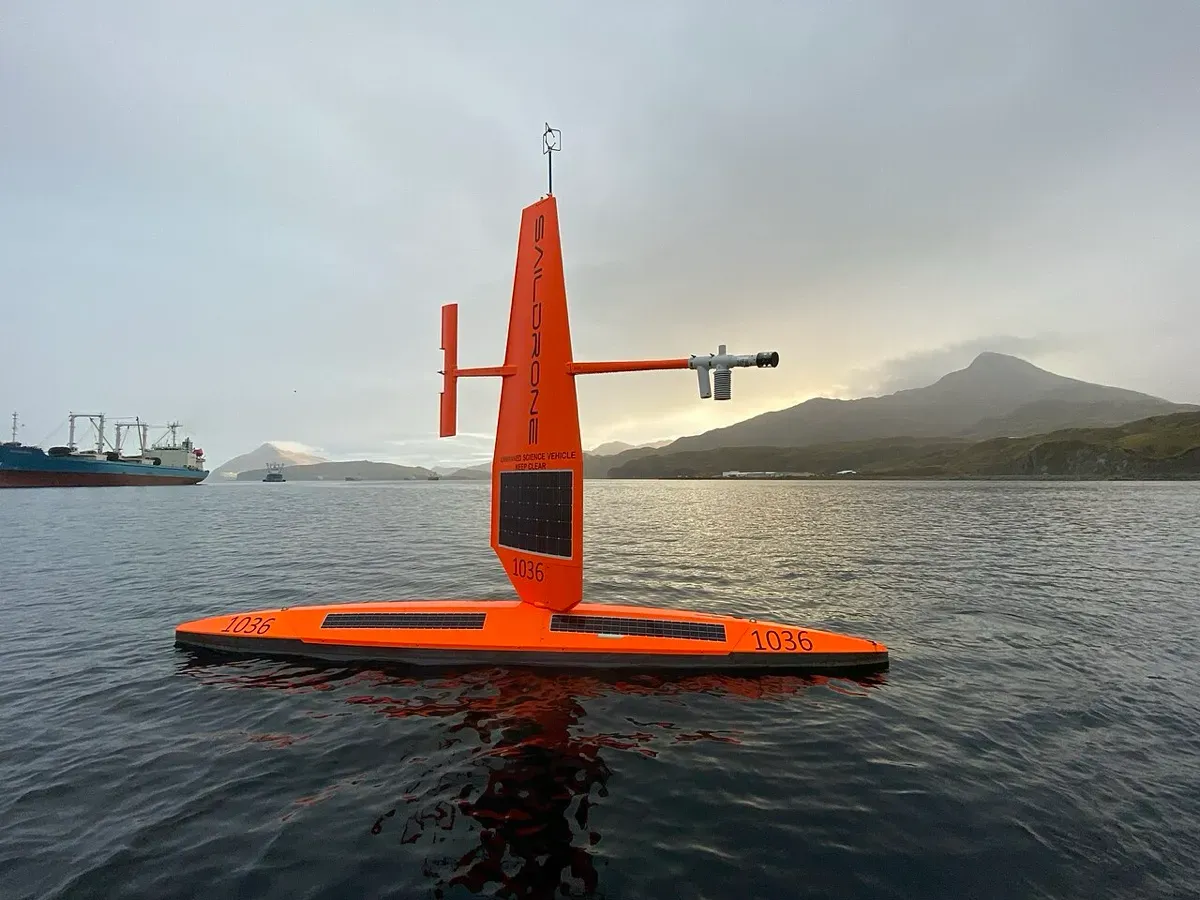
Saildrone Explorer: the wind-powered robot boat sailing around Antarctica to measure the ocean's carbon sink

The Southern Ocean absorbs a huge share of humanity's carbon dioxide, yet in winter almost nobody goes there to measure it. On 20 September 2026, a seven-metre orange robot sailboat left Hobart on a 22,000 km voyage around Antarctica. It is the first of four Saildrone Explorers that will circle the continent for five years, filling one of climate science's biggest data gaps.

Advanced technology · NanoTech

Borregaard Exilva: the wood-based nanofibres replacing microplastics in seed coatings

Farmers sow billions of seeds coated in thin films that hold pesticides, nutrients and colour in place. Many of those films are made with synthetic polymers that end up as microplastics in soil. At its biorefinery in Sarpsborg, Norway, Borregaard breaks wood cellulose down into fibrils with nanometre-scale diameters and sells them as Exilva, a biodegradable alternative.