Extreme environment engineering

5Insights
9UN goals

Insights

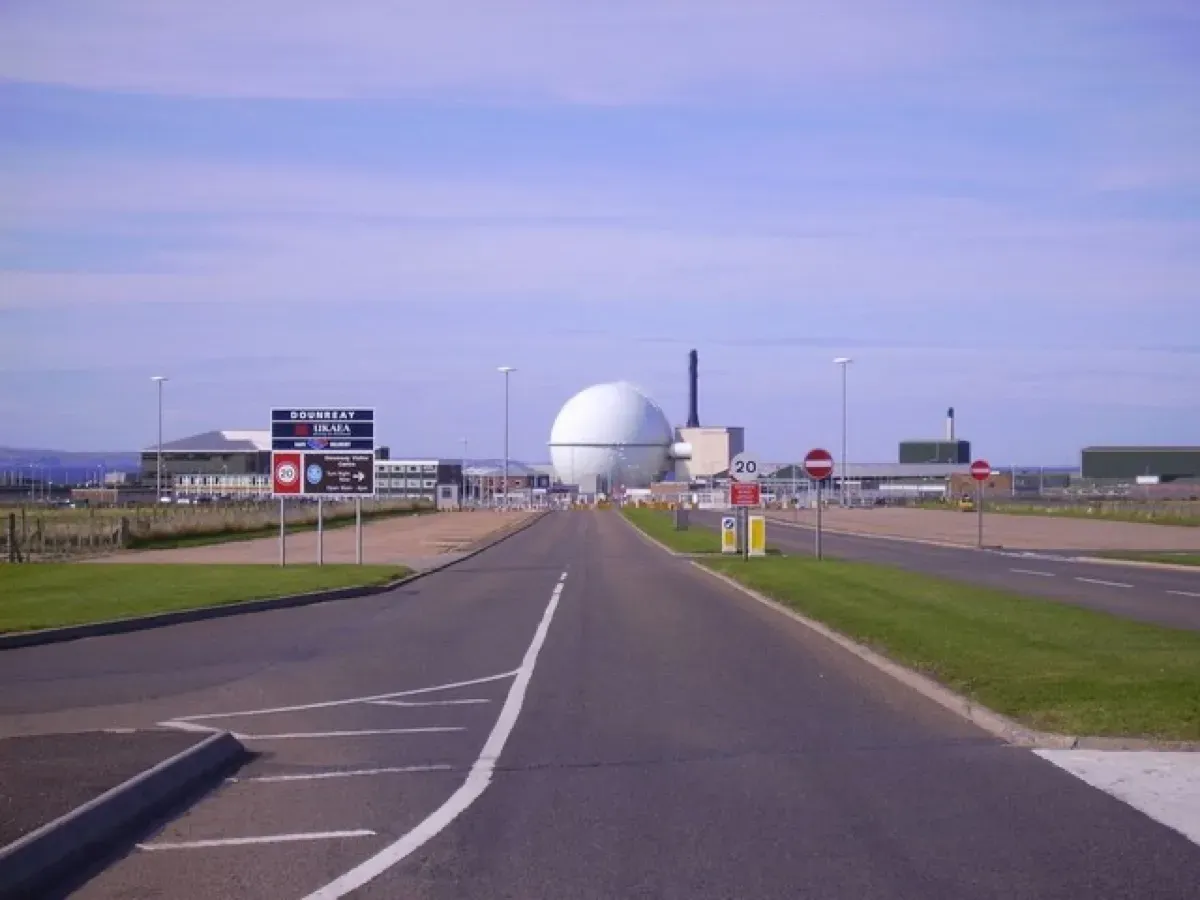
Createc N-Visage: the Cumbrian camera that sees radiation in 3D, from Sellafield to Fukushima

Cleaning up old nuclear sites means sending people into rooms where nobody knows how radioactive things are. A small company in Cockermouth, Cumbria, builds a gamma camera that maps radiation hot spots in three dimensions from a safe distance. Sellafield calls it the only instrument that meets its needs, and versions of it have looked inside Fukushima's damaged reactors.
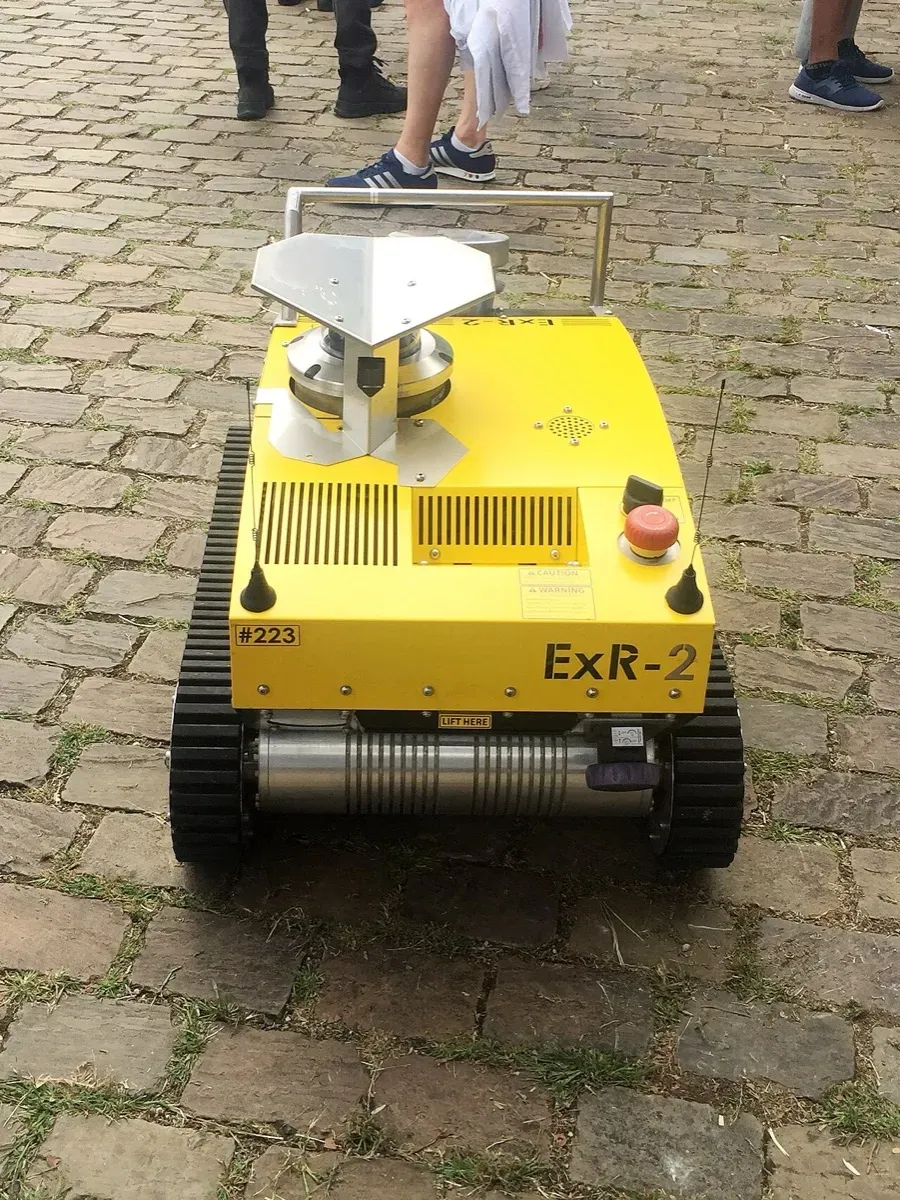
ExRobotics ExR-2.5: the Dutch robot that patrols explosive zones and sniffs out methane leaks

In parts of refineries, offshore platforms and chemical plants, a single spark could ignite the air. A small company in Delft builds wheeled robots certified to work safely in those zones, patrolling twice a day, reading gauges and detecting gas leaks while people stay away. In June 2026 its ExR-2.5 became the first robot to earn UL's new hazardous location certification.

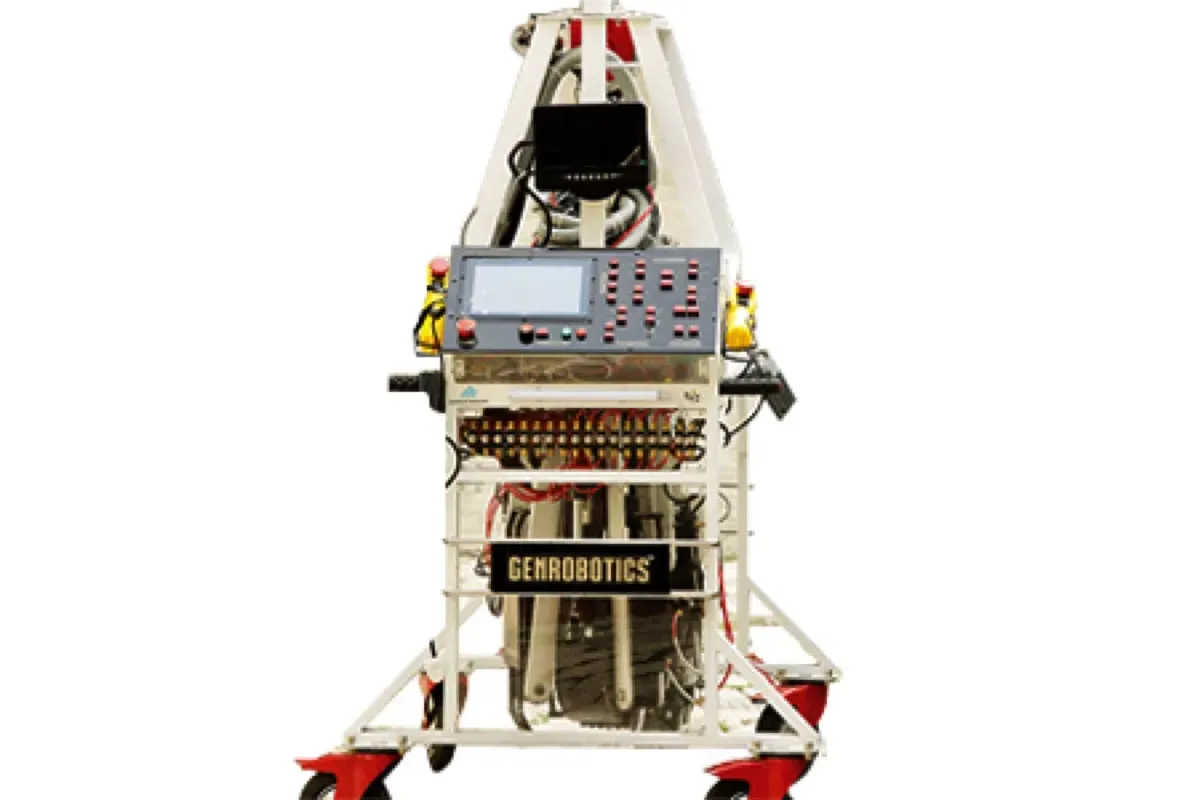
Genrobotics Bandicoot: the Kerala robot that goes into toxic sewers so people don't have to

Every year, sanitation workers in India die inside sewers and septic tanks, overcome by toxic gas or drowned in sludge. A group of young engineers from Kerala built Bandicoot, a robot that climbs down a manhole and does the cleaning while the operator stays at the surface. It now works in more than 180 towns and cities across 23 states.

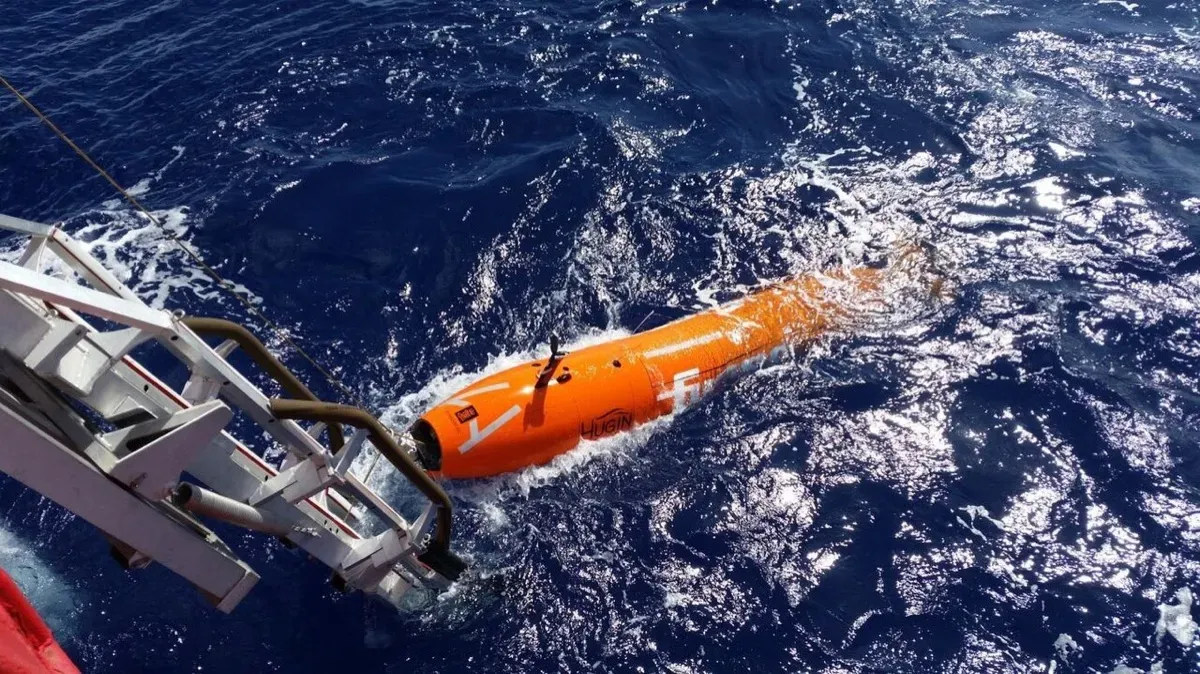
Kongsberg HUGIN: the robot submarine that maps the underside of Antarctica's melting ice shelves

Satellites can see Antarctic glaciers shrink, but not why they melt from below. A Norwegian-built autonomous submarine called Ran swam more than 1,000 km beneath an ice shelf and sent back the first detailed maps of its underside, before vanishing under the ice in 2024. Its replacement, Ran II, is due this winter.

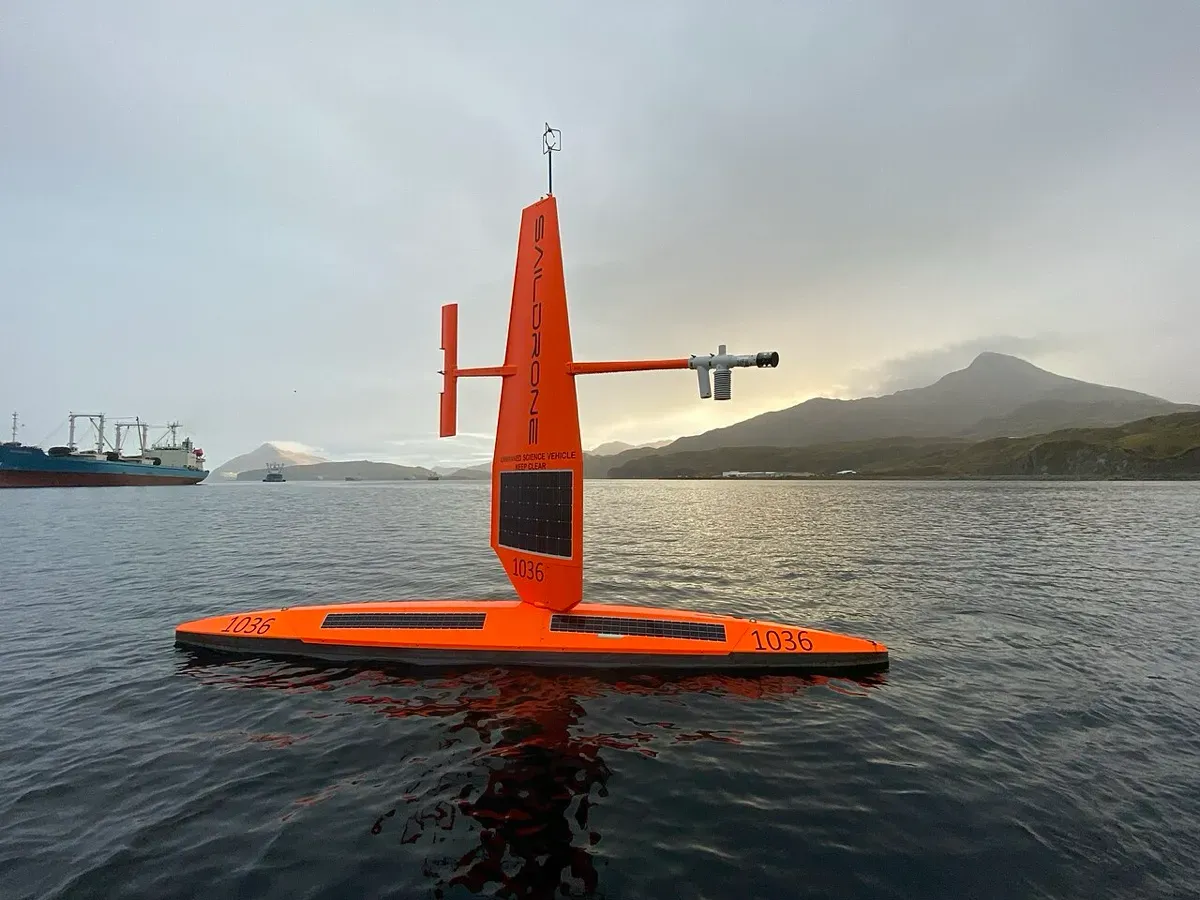
Saildrone Explorer: the wind-powered robot boat sailing around Antarctica to measure the ocean's carbon sink

The Southern Ocean absorbs a huge share of humanity's carbon dioxide, yet in winter almost nobody goes there to measure it. On 20 September 2026, a seven-metre orange robot sailboat left Hobart on a 22,000 km voyage around Antarctica. It is the first of four Saildrone Explorers that will circle the continent for five years, filling one of climate science's biggest data gaps.