
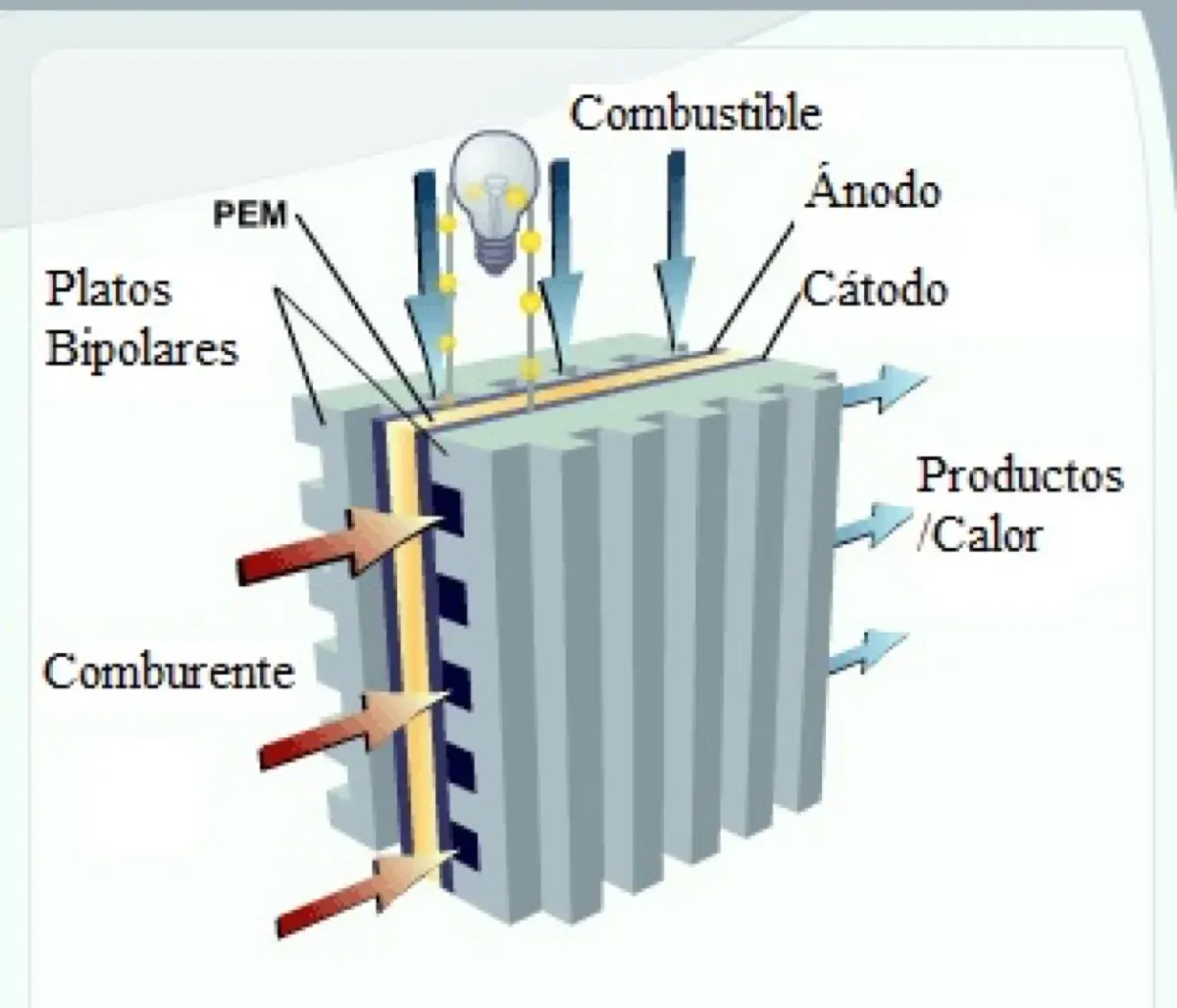
Beyond Aero BYA-1: a hydrogen-electric business jet built around its fuel
Business aviation is the most carbon-intensive way to fly per passenger, and its customers are the ones most able to pay for something cleaner.
Business aviation is the most carbon-intensive way to fly per passenger, and its customers are the ones most able to pay for something cleaner.

Battery drones are useful for short jobs, but they rarely stay up for more than half an hour, which limits how far they can inspect a power line or carry medicine.
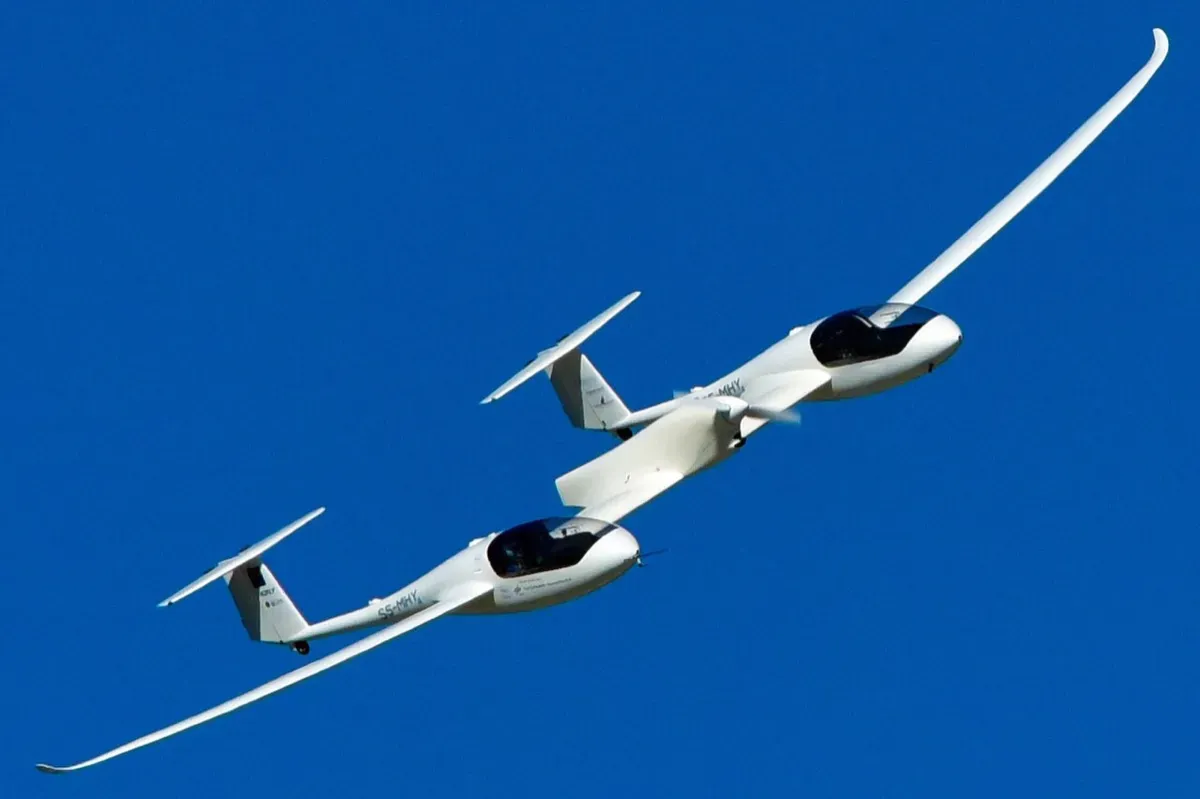
Gaseous hydrogen tanks are heavy and bulky, which limits how far a hydrogen aircraft can fly. Liquid hydrogen, chilled to cryogenic temperatures, stores far more energy in a lighter tank, but nobody had flown a piloted fuel cell aircraft on it.
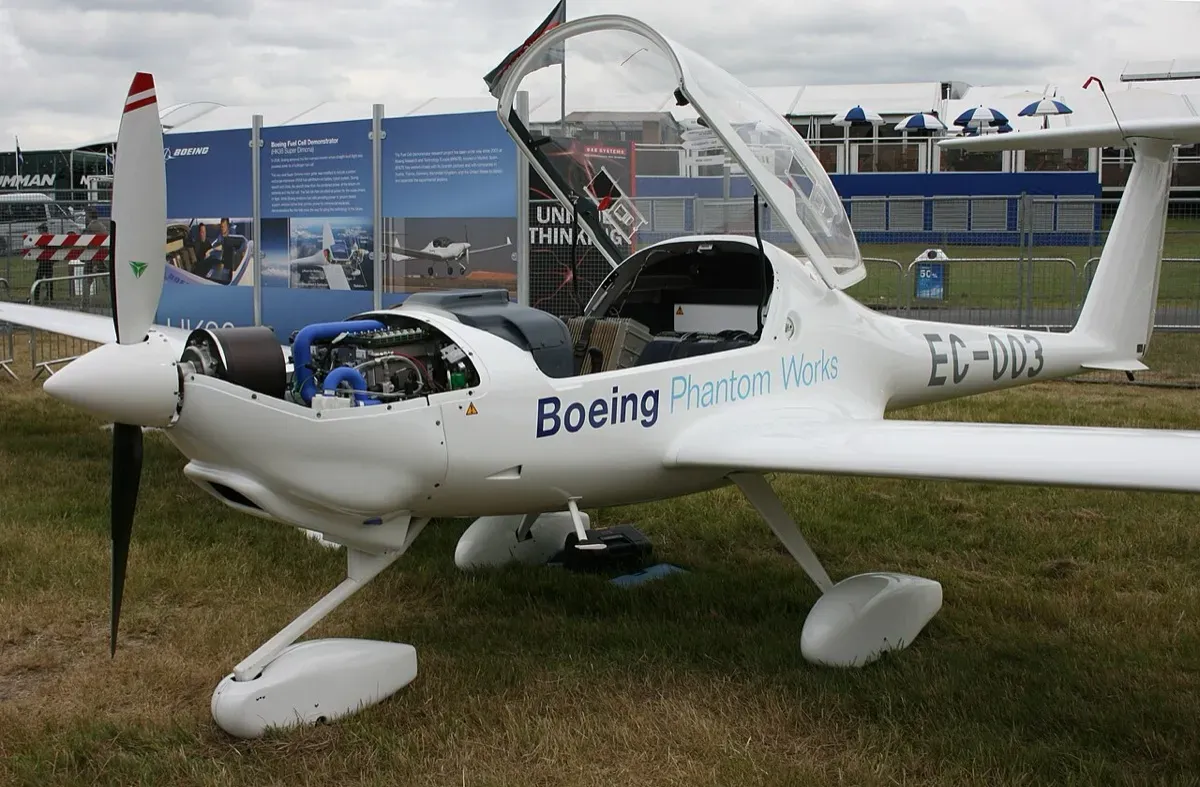
Battery drones usually stay in the air for 20 to 30 minutes, which rules out long pipeline patrols, search and rescue over mountains or deliveries to islands.
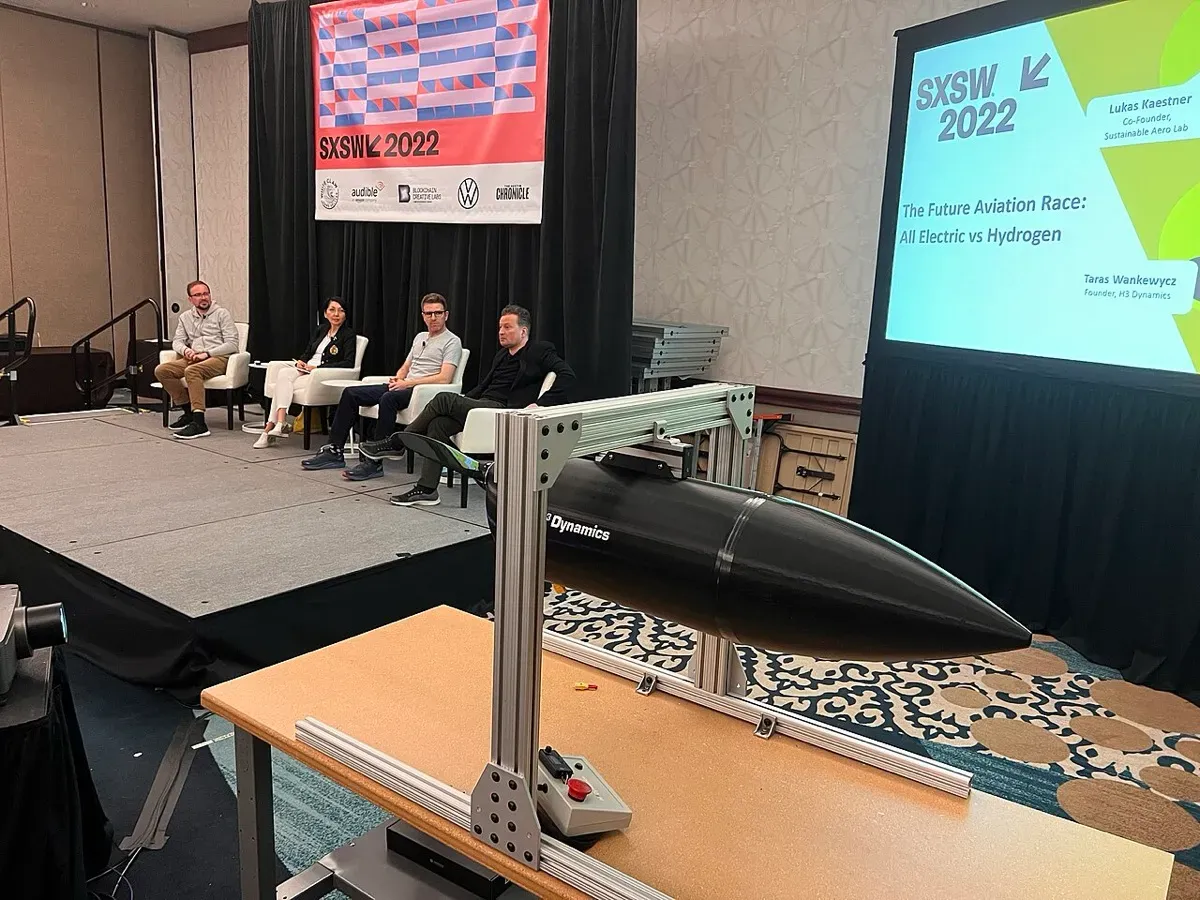
Small regional aircraft link islands, remote towns and cargo hubs, and almost all of them still burn kerosene or aviation gasoline. Batteries are too heavy for most of these routes.