
The problem
Aviation is one of the hardest sectors to decarbonise. Sustainable aviation fuels help, but they still release CO2 at the exhaust and are scarce and expensive. Batteries work for very short hops, but their weight limits range and payload. For 9 to 19 seat aircraft such as the Dornier 228 and Cessna Caravan, which serve islands, remote communities and small cargo routes, neither option is complete.
Hydrogen used in a fuel cell produces only water vapour at the aircraft. The challenge is to make a fuel cell system light, powerful and safe enough to fly, and then to prove it to regulators whose rules were written for piston and turbine engines.
The product
The ZA600 is ZeroAvia’s first commercial powertrain: a 600 kW system in which hydrogen fuel cells generate electricity that drives electric motors and propellers, with water vapour as the only emission (ZeroAvia). It has two main parts (ZeroAvia):
- the electric propulsion system, certified separately as the ZA601 electric engine, combining a proprietary 600 kW motor and inverters;
- the power generation system, made of multiple 200 kW fuel cell modules, which ZeroAvia now also sells as a separate product for drones, eVTOL aircraft, general aviation and defence customers.
ZeroAvia has built its own test facilities, including a 700 kW dynamometer test rig and dedicated hydrogen fuel cell and thermal management test environments. RVL Aviation intends to be the first operator, flying a ZA600-powered Cessna Caravan 208B on UK cargo routes.
How it works
- Store: compressed hydrogen is carried in tanks on the aircraft.
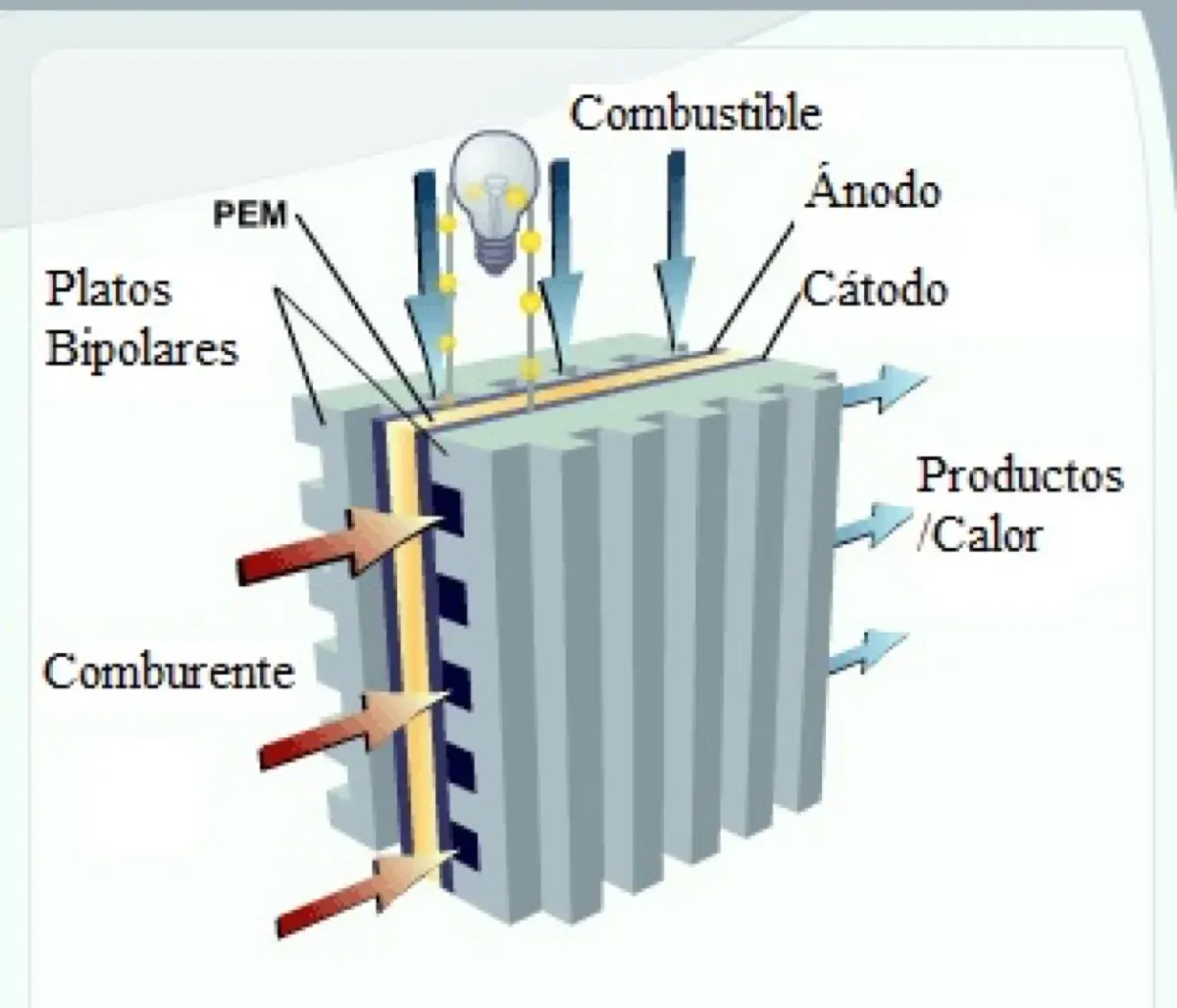
- Convert: fuel cell modules combine hydrogen with oxygen from the air to make electricity, heat and water.
- Manage: a thermal management system removes heat from the fuel cells.
- Boost: in the test aircraft, batteries supplied peak power for take-off and added redundancy.
- Drive: the 600 kW electric engine turns the propeller.
- Emit: the only exhaust is water vapour.
Timeline
| Date | Milestone |
|---|---|
| 9 Nov 2021 | Collaboration with Hindustan Aeronautics (HAL) on a ZA600 for the Dornier 228 |
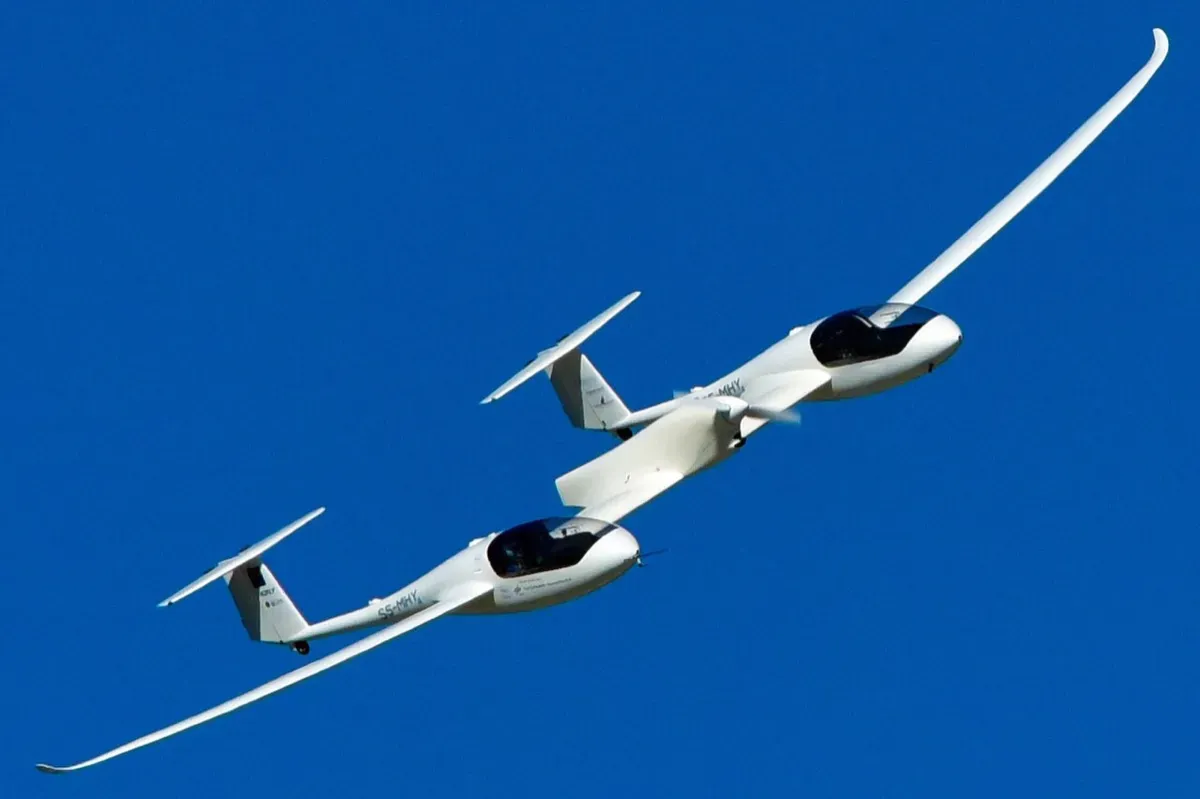
| 19 Jan 2023 | 19-seat Dornier 228 testbed flies with a hydrogen-electric engine on its left wing |
| 3 May 2024 | Type certificate application to the FAA for the ZA601 electric engine |
| 17 Nov 2025 | UK CAA awards Design Organisation Approval |
| Feb 2026 | About half of roughly 300 staff cut; full ZA600 certification delayed |
| 18 Mar 2026 | FAA final special conditions for the ZA601 take effect |
Impact and numbers
- Flight test: the Dornier 228 testbed made a 10-minute first flight from Cotswold Airport, with one hydrogen-electric powertrain alongside a conventional Honeywell TPE-331 engine. The hydrogen tanks and fuel cells were inside the cabin for testing (ZeroAvia).
- Regulation: the FAA published special conditions for the ZA601 so that a certification basis exists for an engine its old rules did not foresee. The FAA said the “certification date for the ZeroAvia ZA601 electric engine is imminent” and made the rules effective on publication (Federal Register).
- Public funding: the Dornier flight was part of HyFlyer II, a programme backed by the UK government’s Aerospace Technology Institute (ATI) to develop a 600 kW powertrain for 9 to 19 seat aircraft. In a commercial layout, ZeroAvia says the hydrogen would be stored externally and the cabin seats restored, so the testbed’s lost seats are not a permanent penalty.
- Fleet potential: about 270 Dornier 228s have been built, and HAL counted 242 still in service in 2021, a ready retrofit market if the powertrain is certified.
- Demand: ZeroAvia reports more than 3,000 preorders for its propulsion and power systems from operators, aircraft makers and defence customers.
Honest caveats. Preorders are not firm orders, and many are conditional. ZeroAvia has repeatedly missed its own dates: in 2023 it targeted certification of the ZA600 by the end of 2025. In September 2025 it warned that without a Series D round it lacked the money to keep operating in its current form beyond the first quarter of 2026 (FlightGlobal). A December 2025 round extended its runway but was not enough: about half of its roughly 300 staff were laid off, the CFO and a former CTO left, no test flights are planned for 12 to 18 months, the company now aims to certify only the fuel cell system by 2027, full ZA600 approval is delayed by 12 to 24 months and the larger ZA2000 moved to the early 2030s (CompositesWorld). ZeroAvia’s own releases give October and November 2025 for its CAA approval. The climate benefit depends on green hydrogen, which is still scarce and costly, and airports have almost no hydrogen supply yet.
What’s next
The near-term product is the 200 kW fuel cell module, which ZeroAvia calls its route to earlier revenue, already supplied to defence customers. The full ZA600 for the Cessna Caravan and Dornier 228 should follow once funding allows the electric engine and fuel cell certification work to be combined. Until then, any restart of flight testing depends on new money.
Why it matters for Europe / green buyers
The EU’s ReFuelEU Aviation Regulation (EU) 2023/2405 sets rising minimum shares of sustainable aviation fuels at EU airports and recognises renewable hydrogen for aviation as one way to supply clean energy to aircraft (EUR-Lex). For European regional and island operators, a certified hydrogen-electric engine would offer a zero-emission option at the aircraft, and ZeroAvia’s progress with the UK CAA and FAA is setting precedents that EASA can follow.
India is a natural market for small hydrogen aircraft. In November 2021, HAL agreed to work with ZeroAvia on a supplemental type certificate to put the ZA600 into Dornier 228 and Hindustan-228 aircraft (ZeroAvia). Regional operator MEHAIR placed a conditional order for up to 20 ZA600 engines for a planned fleet of 10 Cessna Caravans, linked to India’s target of 5 million tonnes of hydrogen a year by 2030 (ZeroAvia).
Sources & image credits
- ZeroAvia, “ZeroAvia makes aviation history, flying world’s largest aircraft powered with a hydrogen-electric engine” (19 Jan 2023): https://zeroavia.com/do228-first-flight/
- ZeroAvia, “ZeroAvia receives Design Organisation Approval from UK CAA” (17 Nov 2025): https://zeroavia.com/zeroavia-receives-design-organisation-approval-from-uk-caa/
- ZeroAvia, “FAA publishes special conditions for ZeroAvia’s 600kW electric engine for aircraft” (2 Apr 2026): https://zeroavia.com/faa-publishes-special-conditions-for-zeroavias-600kw-electric-engine-for-aircraft/
- Federal Register, “Special Conditions: ZeroAvia, Inc. Model ZA601 Electric Engines” (18 Mar 2026): https://www.federalregister.gov/documents/2026/03/18/2026-05281/special-conditions-zeroavia-inc-model-za601-electric-engines
- CompositesWorld, “ZeroAvia cuts down workforce, delays ZA600 H2 powertrain certification” (2 Feb 2026): https://www.compositesworld.com/news/zeroavia-cuts-down-workforce-delays-za600-h2-powertrain-certification
- FlightGlobal, “ZeroAvia warns of funding shortfall beyond first quarter of 2026 amid Series D investment push” (Sep 2025): https://www.flightglobal.com/engines/2025/09/zeroavia-warns-of-funding-shortfall-beyond-first-quarter-of-2026-amid-series-d-investment-push/
- ZeroAvia, “Hindustan Aeronautics Ltd (HAL) collaborating with ZeroAvia to develop hydrogen powertrain for Dornier 228” (9 Nov 2021): https://zeroavia.com/hal/
- ZeroAvia, “MEHAIR places order for 20 ZeroAvia ZA600 hydrogen-electric engines”: https://zeroavia.com/mehair-places-order-for-20-zeroavia-za600-hydrogen-electric-engines/
- EUR-Lex, Regulation (EU) 2023/2405 (ReFuelEU Aviation): https://eur-lex.europa.eu/eli/reg/2023/2405/oj/eng
Images:
- “Hydrogen nacelle (51941702226)” by Phil Whitehouse from London, United Kingdom, licensed under CC BY 2.0 (https://creativecommons.org/licenses/by/2.0), via Wikimedia Commons: https://commons.wikimedia.org/wiki/File:Hydrogen_nacelle_(51941702226).jpg
.jpg)