

EcoCocon: prefabricated straw wall panels, now made by robots in Slovakia
EcoCocon takes a waste product from wheat farms, compresses it into a timber frame and ships it as ready-made walls that meet Passive House standards.
EcoCocon takes a waste product from wheat farms, compresses it into a timber frame and ships it as ready-made walls that meet Passive House standards.
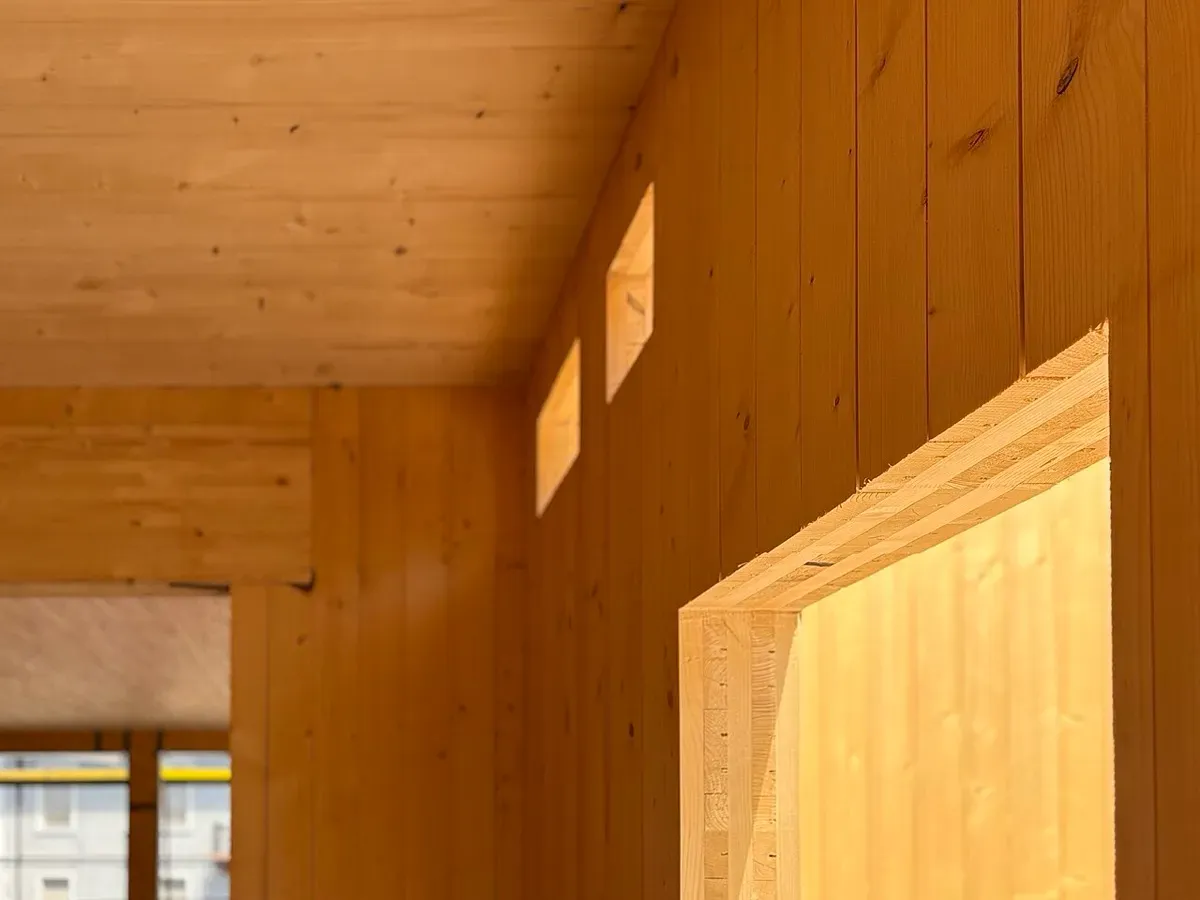
Stora Enso helped turn cross-laminated timber from an Austrian niche into a mainstream way to build offices, schools and apartment blocks.

Every autumn, farmers in north India burn millions of tonnes of rice straw, and Delhi chokes. Strawcture Eco buys that straw and presses it into wall and ceiling boards.
About Ant Studio
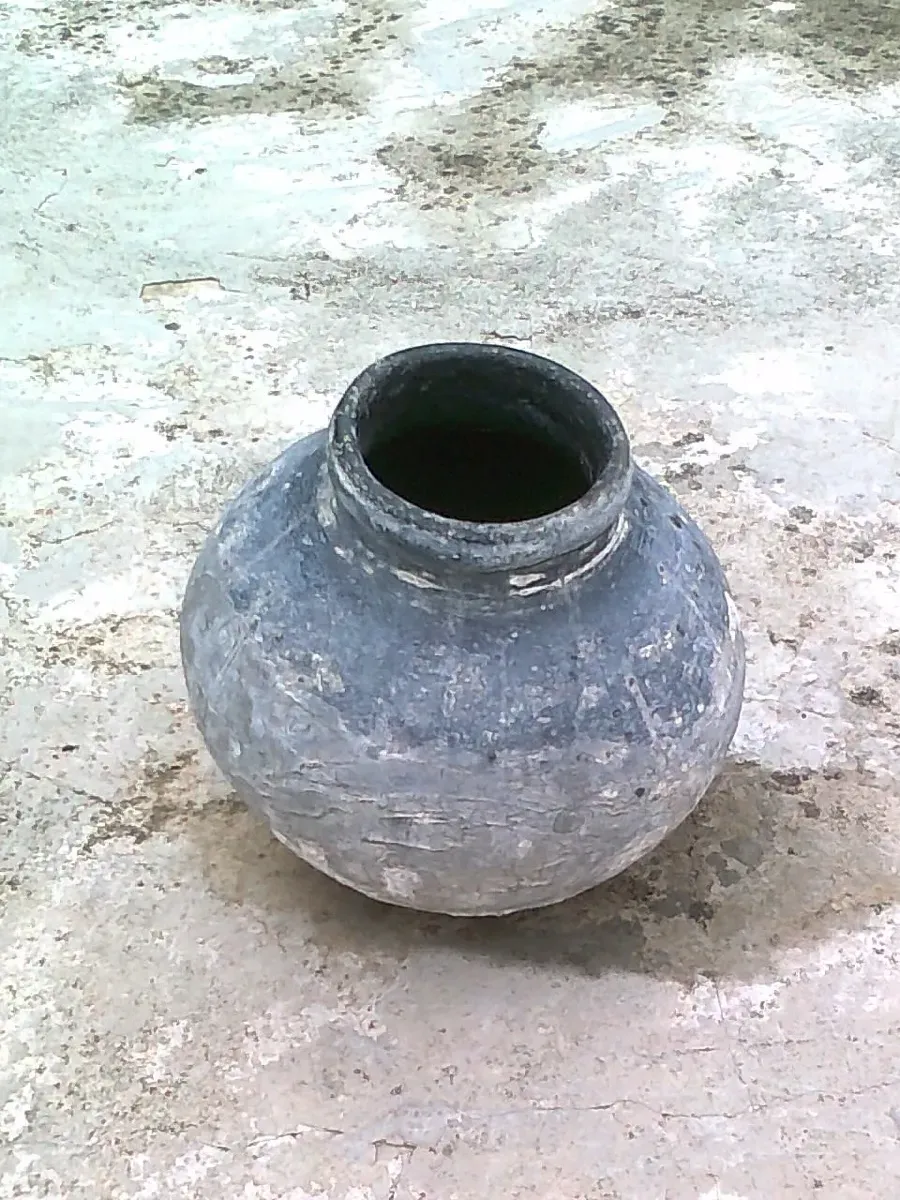
Indian households have cooled drinking water in clay pots for centuries. Ant Studio turned the idea inside out, cooling air by blowing it through wet terracotta cones.
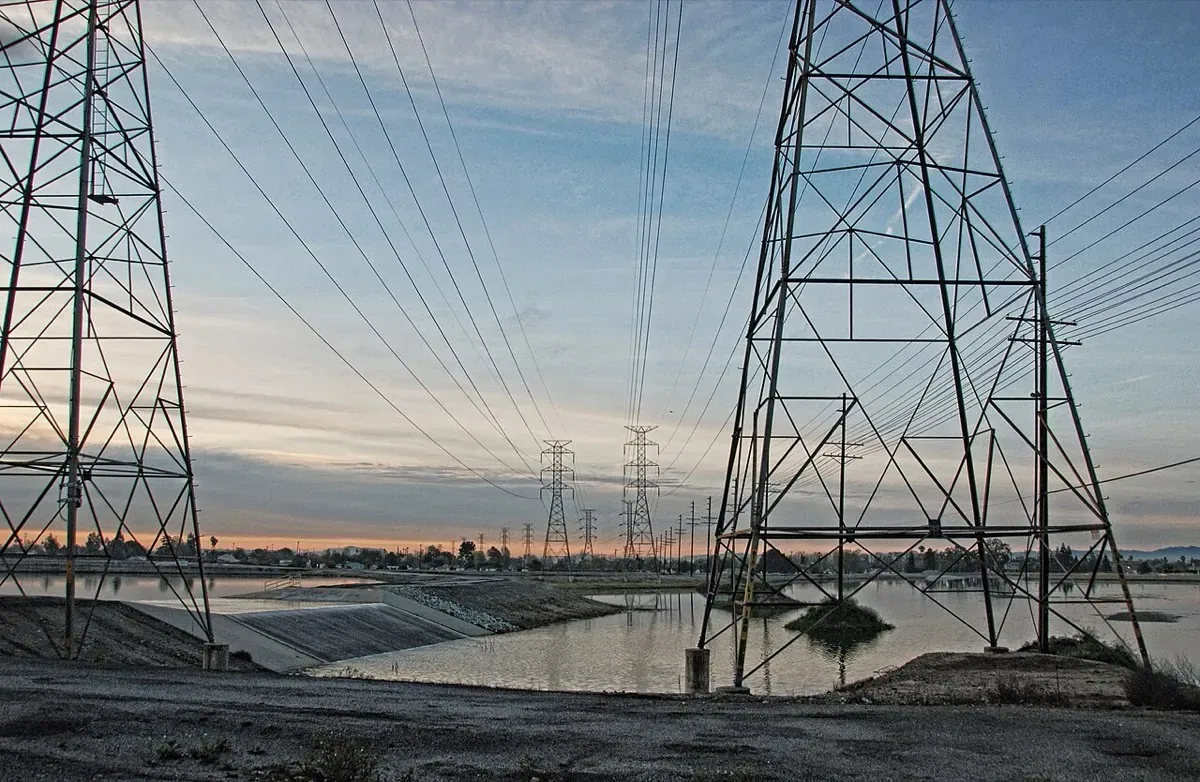
In 2022 roofing giant GAF painted more than 700,000 square feet of streets, schoolyards and car parks in Pacoima, Los Angeles, with a light-coloured reflective coating.
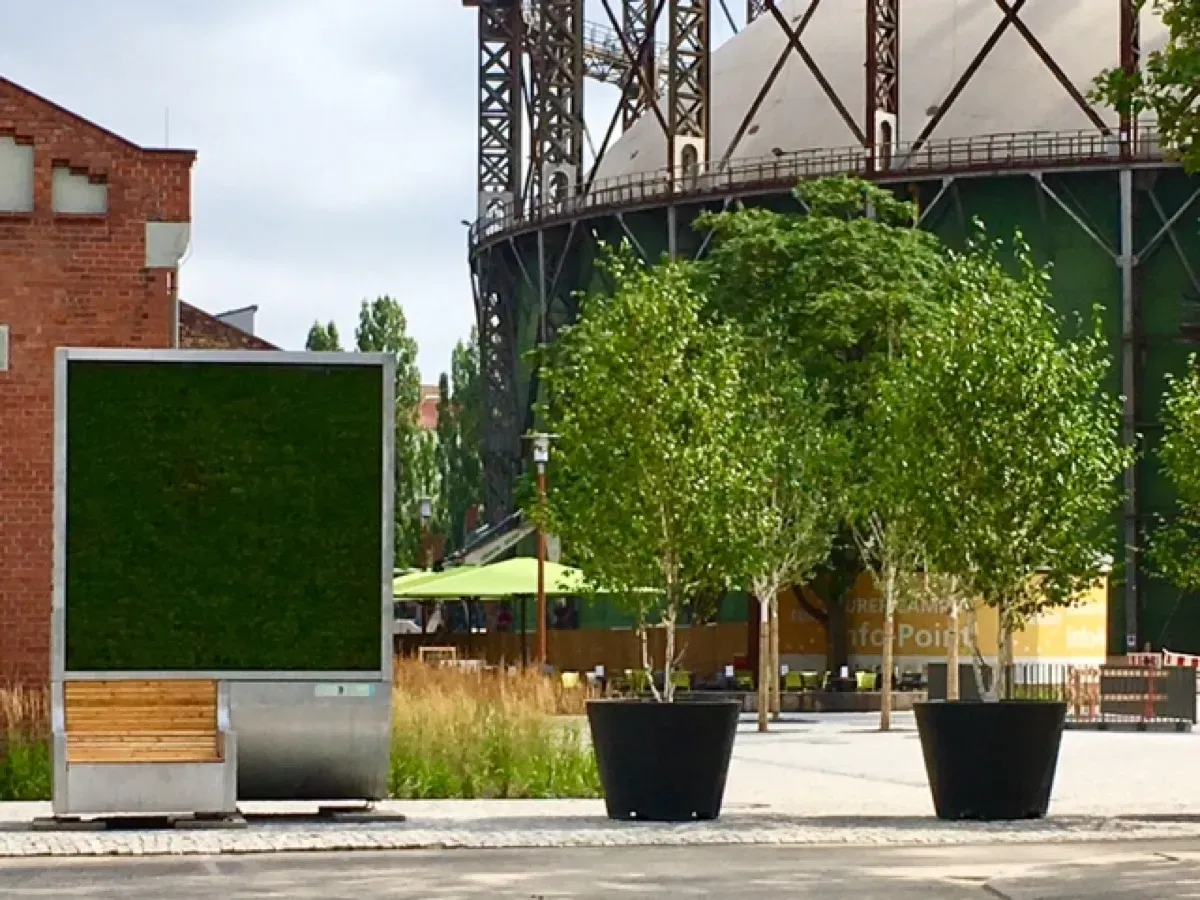
Green City Solutions builds walls of living moss that pull in street air, filter it and blow it back out cooler, sold as a compact alternative to planting trees.
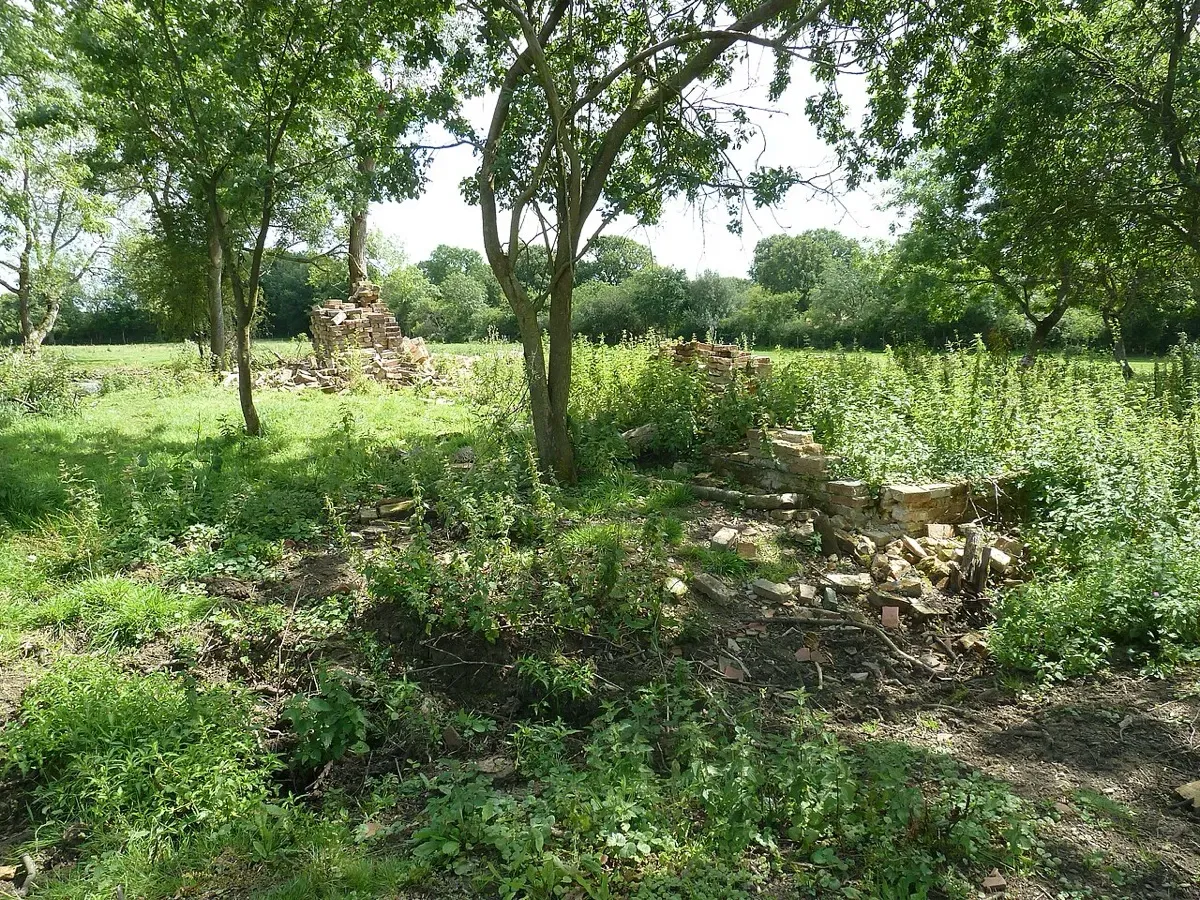
A normal clay brick is dug from a quarry and fired in a gas kiln at around 1,000 °C. The K-BRIQ is pressed from crushed old bricks, rubble, mortar and plasterboard, and cured without any firing.
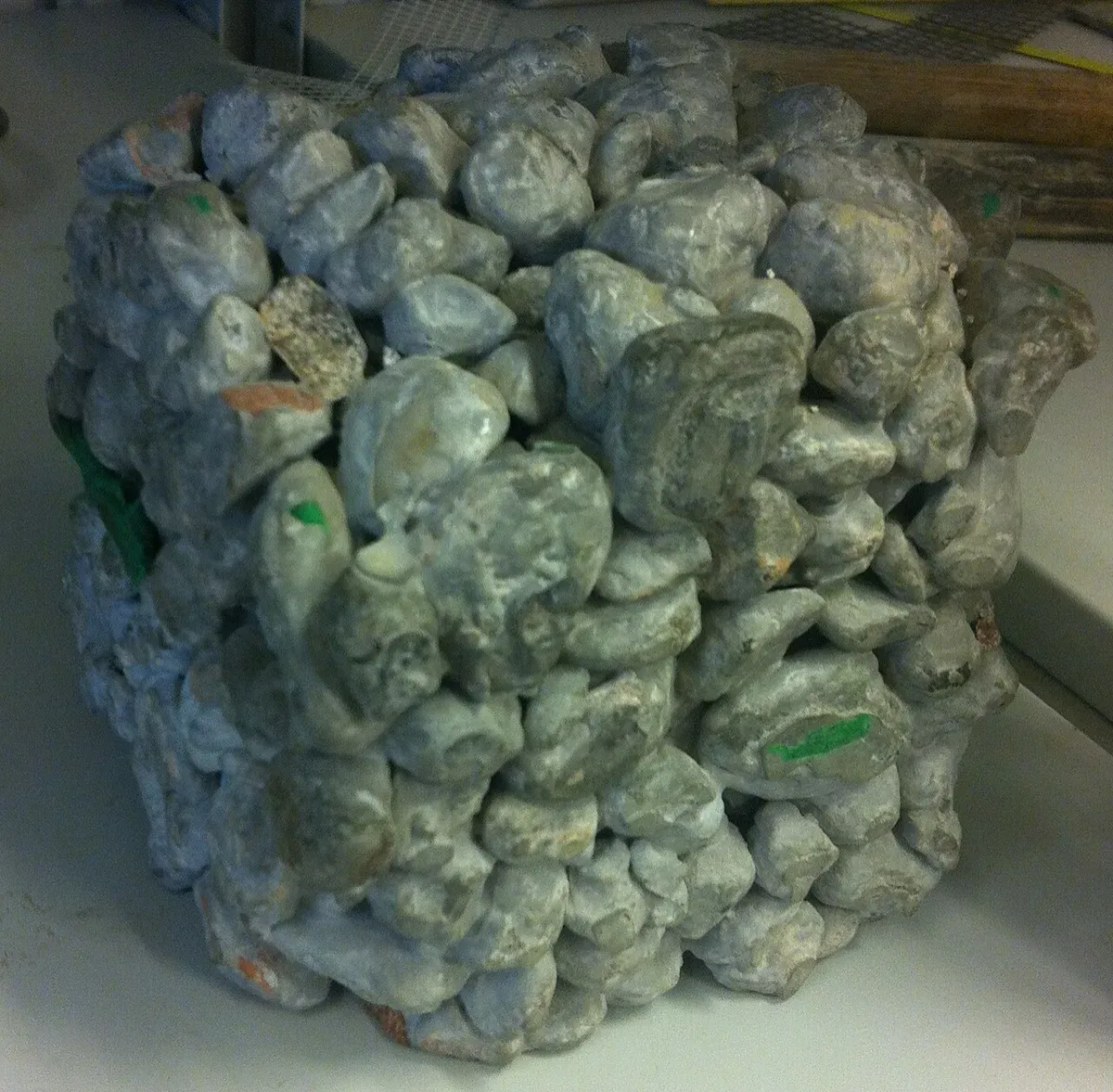
India's metal foundries throw away fine, dusty sand that is too small to reuse. Its towns are full of plastic too dirty or mixed to recycle. A Gujarat foundry machinery firm melts one into the other and presses the result into paver blocks.
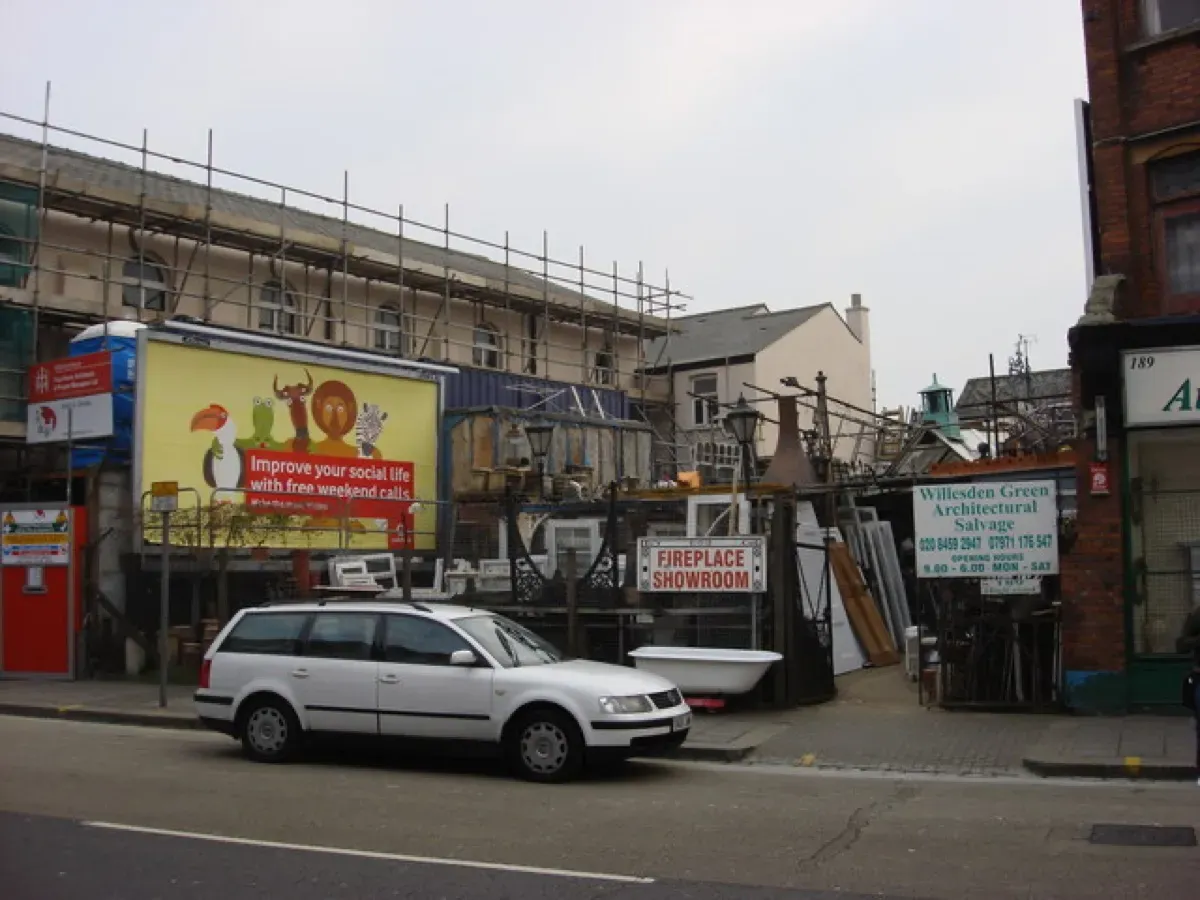
Most office strip-outs end in a skip. Rotor DC sends in its own team first, takes out the tiles, stone, timber, doors and lamps that still have value, cleans them and puts them on sale.
Indian cities flood in the monsoon and run dry by summer, often in the same neighbourhood. Much of the rain that could refill the ground hits concrete and runs off into drains.

Most city street trees are planted in a pit not much bigger than a dustbin, surrounded by compacted ground. They stay small, lift the paving and die young.

A wet lawn, a flooded driveway, a downpipe that overloads the sewer: Hydrorock's answer is a block of spun stone that drinks rainwater in minutes and hands it back to the soil over hours.
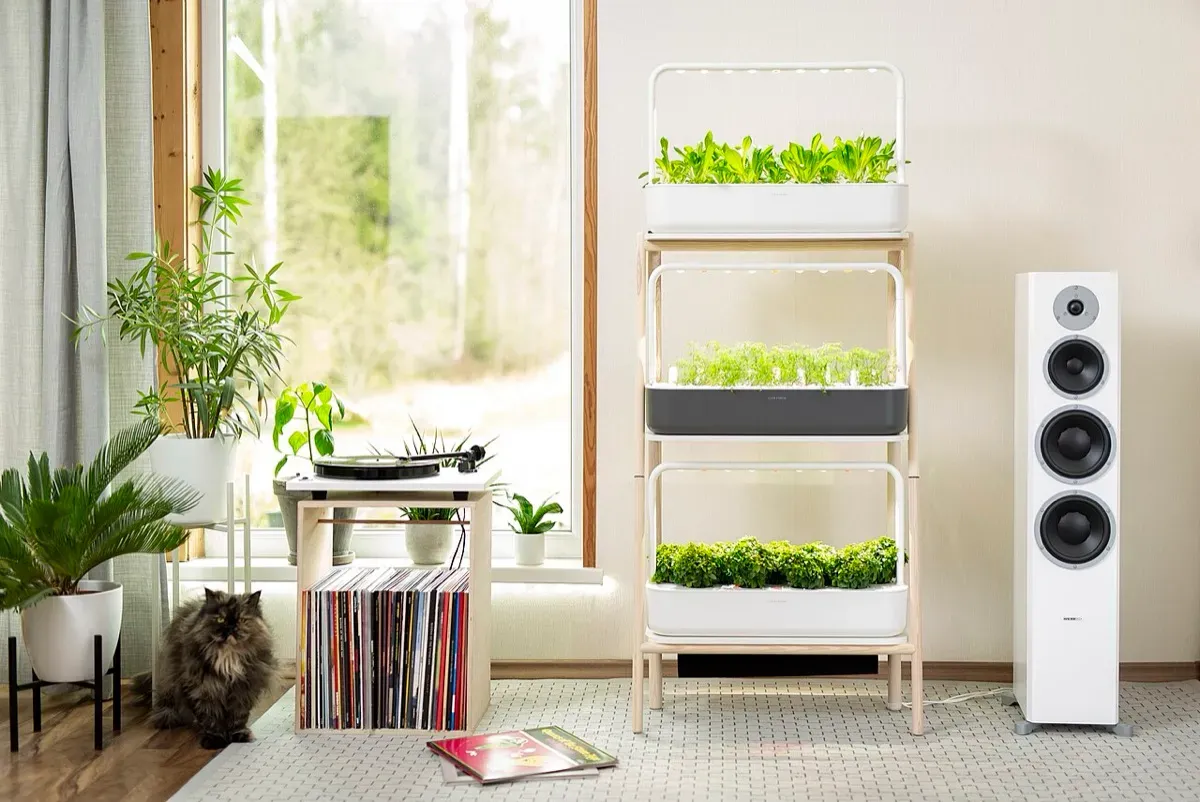
Big vertical farms promised to grow salad in city warehouses, and several of them ran out of money. Click & Grow took the idea down to the size of a toaster: a white tub, a lamp on a stalk and nine little seed pods that sprout basil, lettuce or tomatoes on a flat's windowless counter.
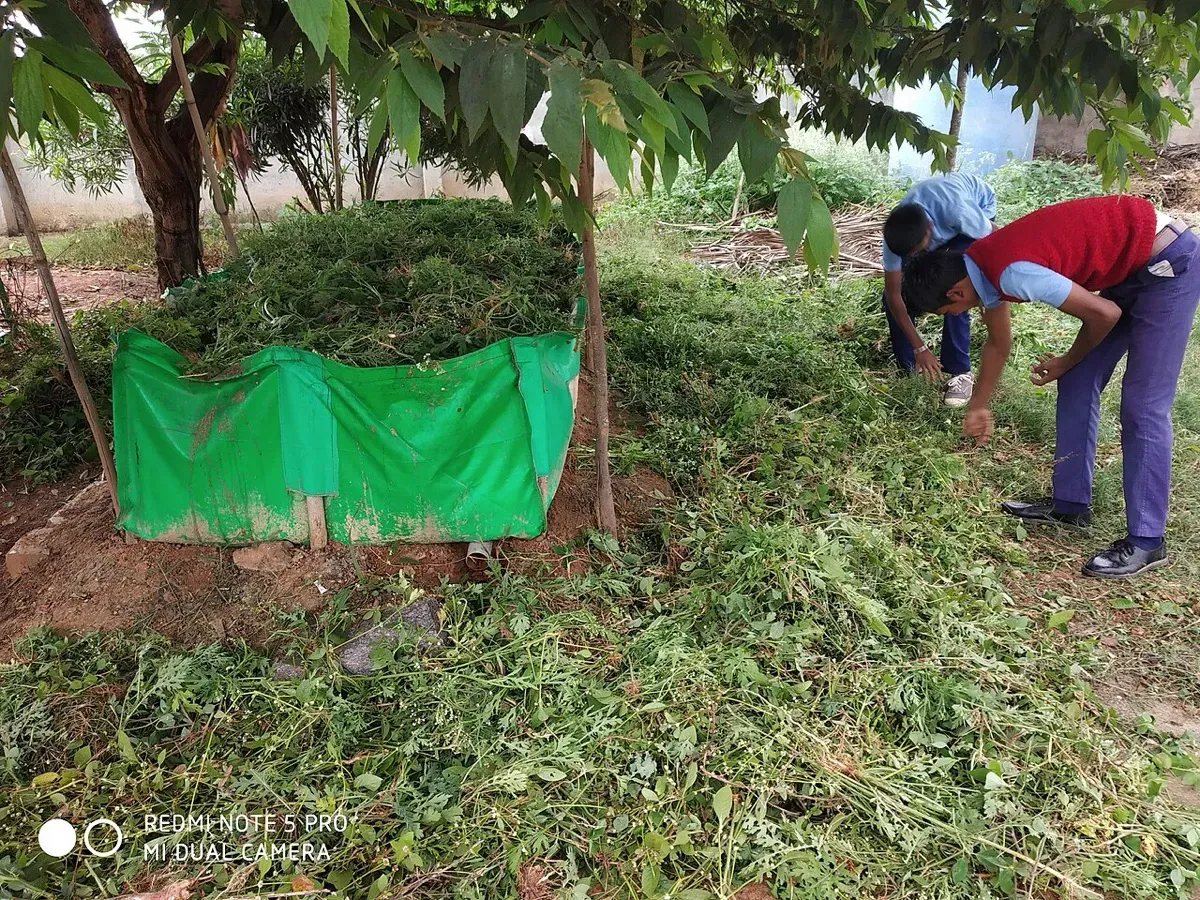
Indian kitchens throw away a lot of peels, tea leaves and leftovers, and most of it still ends up mixed with plastic at a landfill on the edge of town. Daily Dump's answer is a stack of clay pots on the balcony.
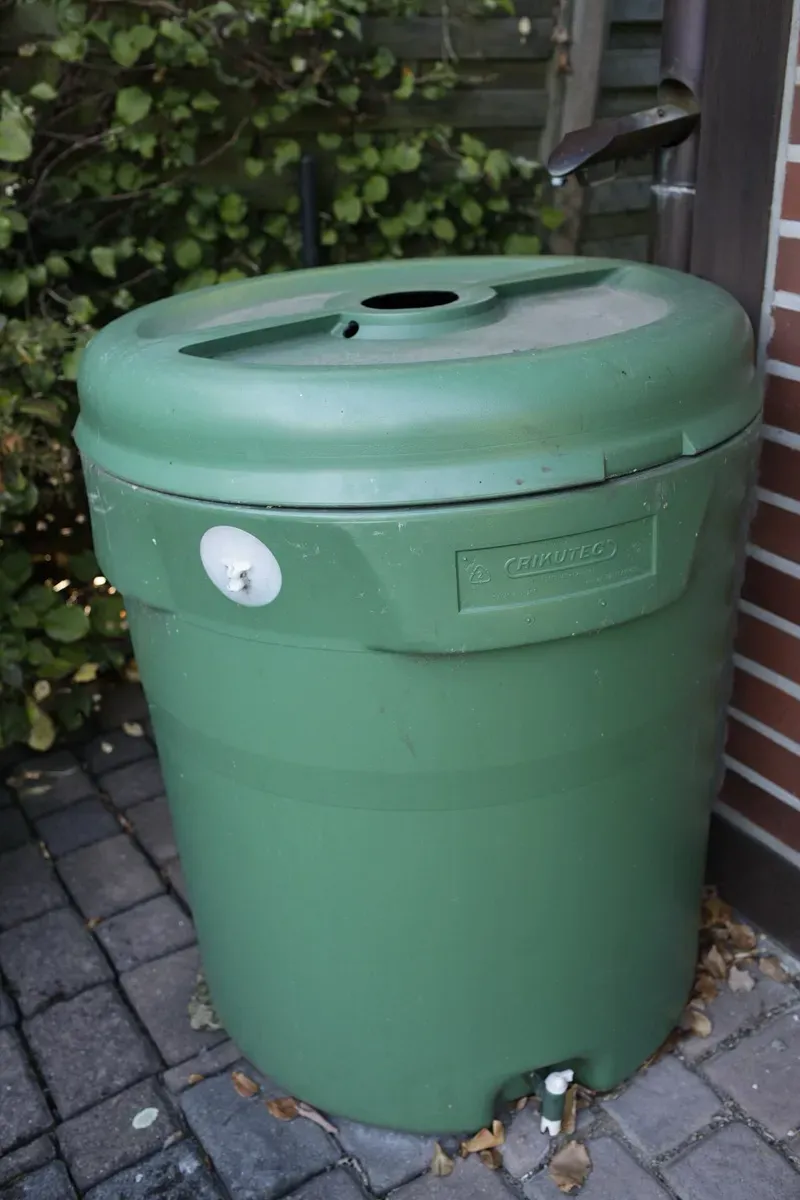
Flushing a toilet or watering a garden with drinking water makes little sense in a warming Europe, but storing rain usually means a huge buried cylinder and a deep hole. GRAF's Platin tank is flat instead.