The problem
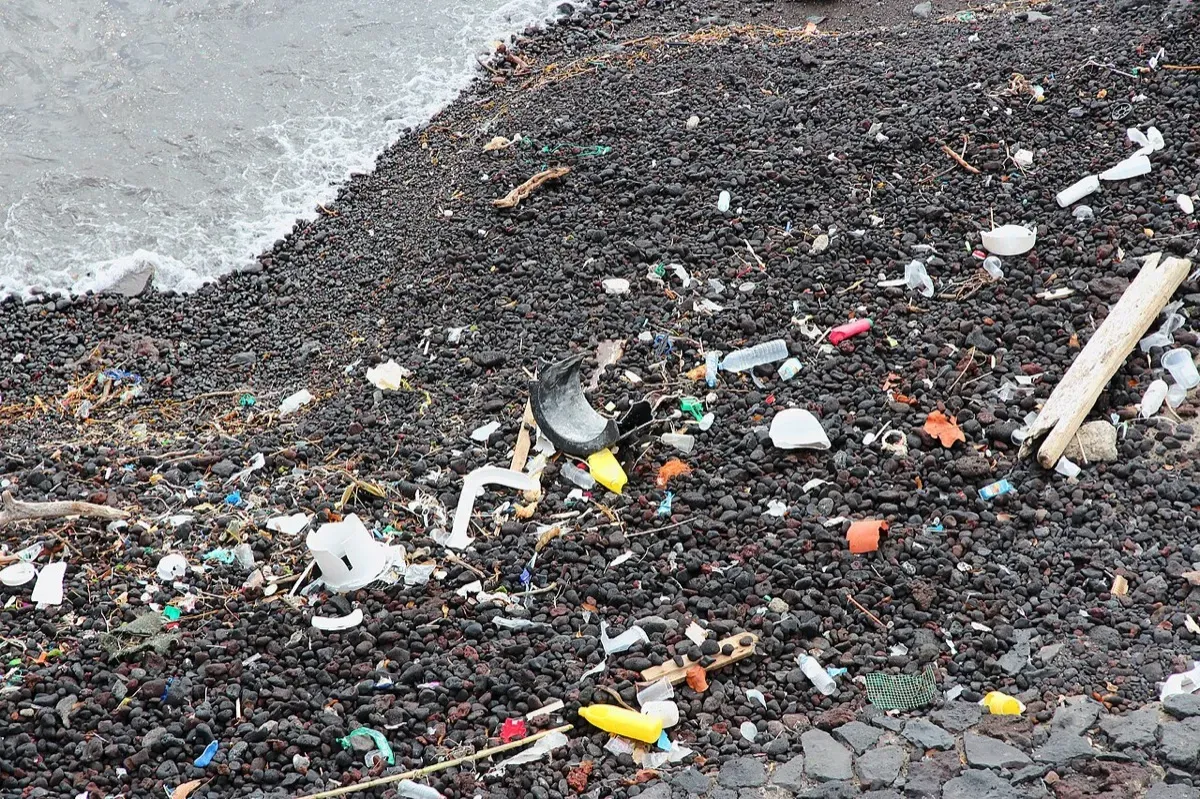
Ocean plastic does not start in the ocean. Most of it is mismanaged waste on land that is washed into rivers and the sea, especially in coastal regions where collection and recycling systems are weak. Once at sea, it fragments and becomes almost impossible to recover. That is why “ocean-bound plastic” has become a recognised material category: plastic gathered close to shorelines and waterways before it gets there.
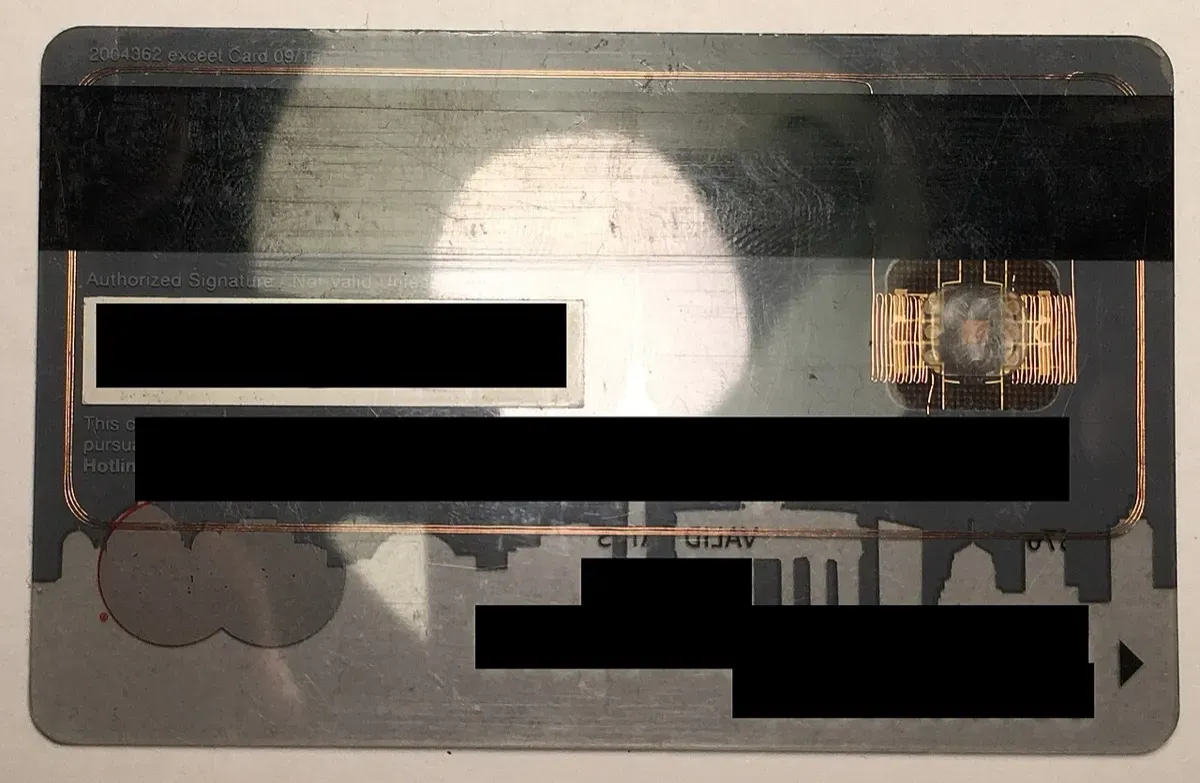
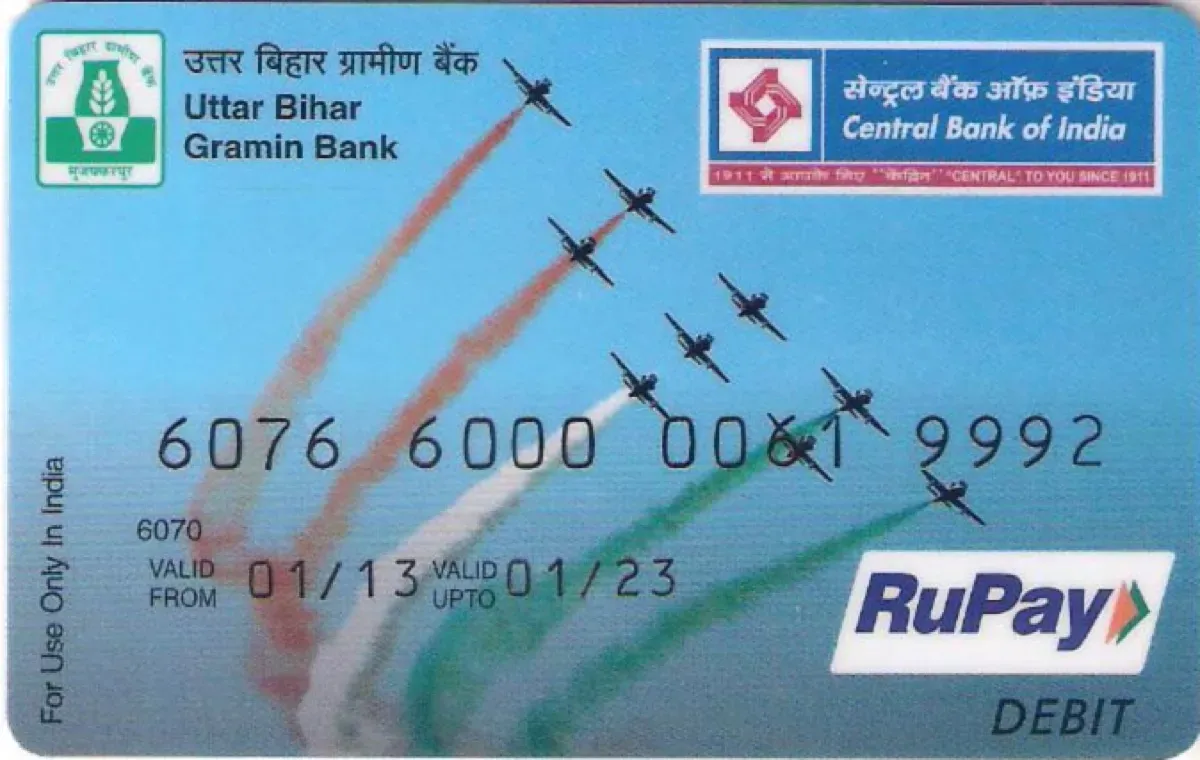
Payment cards add their own pressure. CPI notes that roughly six billion payment cards are manufactured every year, the vast majority with a first-use PVC body. In the United States, where CPI is a leading supplier, banks had begun to hear from customers that the card in their wallet did not match the environmental values the bank claimed. In a 2018 survey CPI commissioned, 96% of debit and credit card users said they were concerned about plastic waste in the oceans and 58% said they would switch to another financial institution offering a card made with recovered ocean plastic, if all other features were equal (PYMNTS).
The product
CPI announced Second Wave on 12 September 2019. The cards have a core made with recovered ocean-bound plastic and support the EMV chip standard and dual-interface (contact and contactless) payments. At launch CPI said an unnamed large U.S. card-issuing financial institution had already signed up (Electronic Payments International).
Then CEO Scott Scheirman framed it this way: “With Second Wave, we are drawing attention to the upcycling potential of plastic waste that is either in the ocean or imminently ocean-bound.” Six weeks later, on 29 October 2019, CPI extended Second Wave to access cards for transit, hospitality, entertainment, travel and ticketing, with an embedded chip for RFID contactless functions.
Second Wave now sits in a wider eco-focused family. Earthwise cards use upcycled plastics such as recycled PVC (rPVC) and recycled PETG, and CPI also offers recycled options for card carriers and collateral. CPI was the first company to become a licensee of the ICMA EcoLabel Standard Program run by the International Card Manufacturers Association, and says all its eco-focused products are certified under it (CPI).
How it works
CPI’s definition is precise. In an email to Fast Company at launch, CPI executive Jason Bohrer explained that recovered ocean-bound plastic “is typically recovered within 50 kilometers of a seashore, or near streams and rivers that lead to the ocean, in countries or regions that lack adequate waste management infrastructure” (Fast Company).
The recovered plastic comes in many forms, not all suitable for cards. CPI explains that it must first be converted into a commercially usable form such as flakes before it can replace first-use plastic in manufacturing (CPI, 5 November 2019). That material forms the core of the card. The outer layers, the chip, the antenna and the metal contacts are still made from conventional materials, including PVC, which is why Fast Company described the cards as made “mostly” rather than entirely from ocean-bound plastic.
Because Second Wave cards use a standard card construction, they run through the same personalisation, chip embedding and EMV certification steps as other cards. Cards in CPI’s eco-focused portfolio have been approved by two of the major payment card brands, according to its annual report. CPI also encourages Mastercard issuers using Second Wave and Earthwise rPVC to add the Mastercard sustainable card badge, and it has been a member of Mastercard’s Greener Payments Partnership since 2020.
Timeline
| Date | Milestone |
|---|---|
| 2018 | CPI-commissioned survey finds 96% of U.S. cardholders concerned about ocean plastic |
| 12 September 2019 | CPI announces Second Wave cards with a recovered ocean-bound plastic core |
| 29 October 2019 | Second Wave extended to transit, hospitality, entertainment and access cards |
| 2020 | CPI joins Mastercard’s Greener Payments Partnership |
| November 2022 | New CPI consumer survey: 93% of cardholders concerned about plastic waste in oceans |
| 2024 annual report | CPI reports more than 350 million eco-focused card or package solutions sold since launch |
Impact and numbers
- Plastic diverted: CPI estimates that every one million Second Wave cards produced divert more than one ton of plastic from entering oceans, waterways and shorelines.
- Volume: CPI’s 2024 annual report states that it has sold more than 350 million eco-focused debit, credit and prepaid card or package solutions since launch (CPI 2024 Annual Report). Its product page separately cites more than 100 million eco-focused cards sold since 2019; the two figures appear to use different scopes and dates.
- Consumer signal: in CPI’s November 2022 survey of 2,100 cardholders, 93% were concerned about plastic waste in the oceans and 73% said it was important that their financial institution is environmentally conscious.
- Certification: all CPI eco-focused products are certified under the ICMA EcoLabel, which requires at least one of: 25% reduced materials, 25% recycled content, compostability, or 40% bio-based content.
Honest caveats. One ton per million cards means each card contains only around a gram of ocean-bound plastic, so the direct environmental effect is small compared with the scale of marine plastic pollution. CPI’s annual report also flags that the ROBP supply chain is largely international, which brings sourcing and traceability risks. Ocean-bound plastic is valuable mainly as a signal and as a source of income for collection systems in coastal regions, not as a clean-up solution.
What’s next
CPI’s strategy is to make eco-focused materials the default as U.S. issuers move card portfolios to contactless. Its product material argues that switching to dual-interface chips is a natural moment to switch card body material too, combining two reissue projects into one. As more banks seek third-party verification, CPI’s ICMA EcoLabel certification and the Mastercard badge help issuers back up their claims. Buyers selling into the EU should note that since 27 September 2026, Directive (EU) 2024/825 restricts generic environmental claims, so marketing language around ocean plastic needs specific, substantiated wording.
Why it matters for Europe / green buyers
CPI is a U.S. company, but Second Wave is relevant for European issuers and buyers because it shows both the power and the limits of ocean-bound plastic as a material. It is effective at engaging customers and supports a market for collected plastic in places that need it. But the quantity per card is small, and the remaining card layers are still conventional plastics.
For a green buyer, the honest comparison is between materials: a card with a gram of ocean-bound plastic in its core, a card with a fully recycled PVC body, or a bio-based or PVC-free card. Ask for the percentage of recycled content in the whole card, the traceability of the ocean-bound feedstock, and any life-cycle data. A good ocean plastic card is a conversation starter; a good card programme also cuts reissues, paper and packaging.
Sources & image credits
- Electronic Payments International, “CPI Card introduces payment card produced using ocean-bound plastic”, 13 September 2019: https://www.electronicpaymentsinternational.com/news/cpi-card-payment-card-ocean-bound-plastic/
- Fast Company, “This new credit card is made from plastic that would have ended up in the ocean”, 12 September 2019: https://www.fastcompany.com/90402870/this-new-credit-card-is-made-from-plastic-that-would-have-ended-up-in-the-ocean/
- CPI Card Group, “Transforming ocean waste into payment plastic”, 5 November 2019: https://cpicardgroup.com/2019/11/05/transforming-ocean-waste-into-payment-plastic/
- CPI Card Group, Eco-focused cards page (accessed 6 October 2026): https://cpicardgroup.com/earth-elements/
- CPI Card Group, 2024 Annual Report (SEC filing): https://www.sec.gov/Archives/edgar/data/1641614/000155837025004601/pmts-20241231xars.pdf
- PYMNTS, “CPI Card Group launches Second Wave cards for new markets”, 29 October 2019: https://www.pymnts.com/news/payment-methods/2019/cpi-card-group-launches-second-wave-cards-for-new-markets/
- American Banker / PaymentsSource, “Should issuers of plastic cards go green?”, September 2019: https://www.americanbanker.com/payments/news/should-issuers-of-plastic-cards-go-green
- Directive (EU) 2024/825: https://eur-lex.europa.eu/eli/dir/2024/825/oj
Images:
- “004 Beach pollution in Tenerife - Atlantic Ocean beach plastic garbage debris” by Marek Ślusarczyk (Tupungato), licensed CC BY 3.0 (https://creativecommons.org/licenses/by/3.0), via Wikimedia Commons: https://commons.wikimedia.org/wiki/File:004_Beach_pollution_in_Tenerife_-_Atlantic_Ocean_beach_plastic_garbage_debris.jpg