The problem
Personal care products create a steady stream of small plastic waste. Bare Necessities says a conventional roll-on deodorant lasts about two months, which means roughly six plastic deodorants a year and nearly 210 g of plastic packaging per person (Bare Necessities).
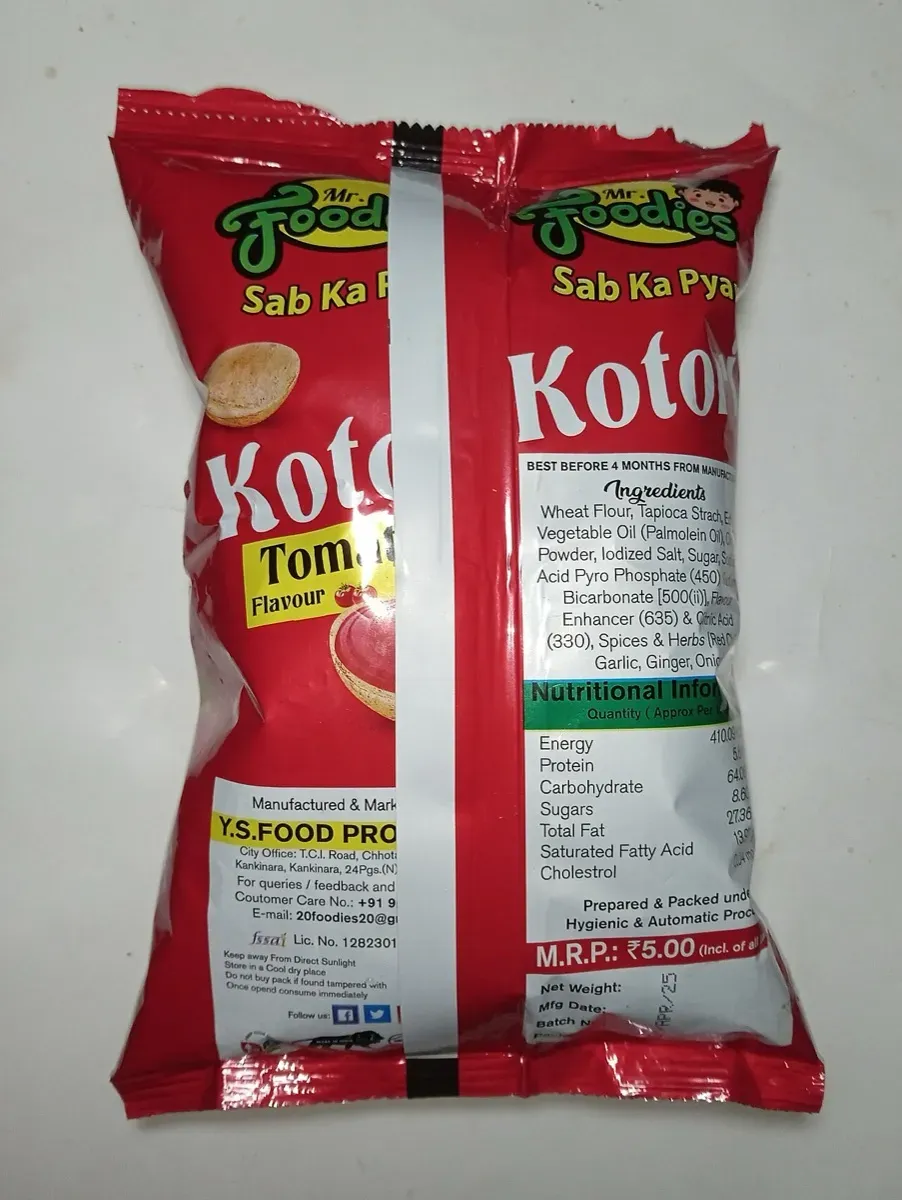
At the same time, India is full of multilayer packaging: crisp, namkeen and biscuit wrappers made of several plastics and a metal layer bonded together. Waste pickers rarely collect them because recyclers will not pay for them. Under India’s EPR guidelines for plastic packaging, multilayer packaging is a separate category (Category III) with recycling targets of 30% rising to 60% and recycled-content targets of just 5% to 10% (Wealthy Waste summary of G.S.R. 133(E)), but much of it is still burned, dumped or sent to cement kilns as fuel rather than turned into new products.
The product
The refillable natural deodorant stick has two parts:
- Forever Case: a twist-up dispenser that is bought once. It is made by Without in Pune from roughly 20 packets of chips, collected and sorted by hand, then recycled with Without’s VerdiCycle process, which recovers the polymer at 120°C without burning and turns it into VerdiFLX pellets. The pellets are injection-moulded into the case on standard tooling (Without). Bare Necessities says five design patents protect the case, which comes in green, maroon and black.
- Refill: a 30 g stick of plant-based deodorant made in India, with magnesium hydroxide and zinc ricinoleate to neutralise odour, tapioca starch to absorb moisture and shea butter and squalane for skin care. It is free of aluminium and baking soda, and is a deodorant rather than an antiperspirant (Bare Necessities).
Two scents are available: Oud Spice (cardamom, toffee, amberwood) and Day In Day Out (cardamom, davana, citrus, raspberry, rose, saffron and sandalwood). Fragrances are IFRA-certified. In a double-blind test on 50 adults, the company reports up to 24-hour odour protection without irritation, and 93% of testers reported all-day protection.
A starter pack with case and refill costs Rs 769; refills cost Rs 529 (Local Samosa).
How it works
- Collect: waste pickers in Pune gather used chip packets and metallised wrappers, which are sorted by hand at Without.
- Recycle: the VerdiCycle process turns them into VerdiFLX pellets.
- Mould: the pellets are moulded into the Forever Case in Without’s Pune factory, by staff who include former waste pickers.
- Fill: Bare Necessities in Bengaluru makes the deodorant refill.
- Refill: when a refill runs out, the user twists the base down, pulls out the old refill and clicks in a new one.
- Return: after using five or more refills, customers can send empty refill cases back for recycling.
Timeline
| Date | Milestone |
|---|---|
| 2016 | Sahar Mansoor founds Bare Necessities in Bengaluru |
| 16 Feb 2022 | India notifies EPR guidelines for plastic packaging, including multilayer packaging |
| 28 Jul 2026 | Launch of the refillable deodorant reported by Local Samosa |
| 4 Aug 2026 | Bare Necessities publishes launch post for “India’s first refillable, natural, roll-on deodorant” |
Impact and numbers
- Waste input: about 20 chip packets in each Forever Case (Without).
- Plastic avoided: compared with buying about six disposable deodorants a year, or roughly 210 g of plastic packaging, the user buys one case and lighter refills.
- Recyclability: Without says VerdiFLX can be recycled up to 10 times.
- People: Without says each case sold supports formal, dignified jobs for the waste pickers who collect the packets; one former waste picker now runs its sorting and shredding section.
- Wider reuse: Bare Necessities also runs a Return Your Jar programme for its other products, taking back five or more jars or ten or more tins (Bare Necessities).
Honest caveats. This is a very small product from two small companies, and no sales or volume figures have been published. The refills themselves are still plastic, so the product reduces rather than removes plastic waste. The two companies’ return rules differ: the launch blog asks for five or more empty refills, while other product information mentions collecting ten. The claims that “nothing goes to landfill” and that the case is “recyclable up to 10 times” depend on customers returning items and on Without’s own process, and have not been independently checked. At Rs 769 for a starter pack, it is also far more expensive than mass-market deodorants. India’s wider EPR market for plastic has also been weakened by fraud: a CSE report found about 700,000 fake EPR certificates (Down To Earth), which shows why traceable, physical recycling matters.
What’s next
The launch is a test of whether Indian shoppers will adopt a refill habit for a daily product, and of whether Without’s chip-packet material can be used in more consumer goods. Bare Necessities’ founder, Sahar Mansoor, a University of Cambridge graduate, began living zero-waste in 2015 and previously worked at the World Health Organization in Geneva and at the SELCO Foundation on decentralised energy in rural Karnataka; she won a Cartier Young Leader award and co-authored a book on living zero-waste (Bare Necessities). The company says it is India’s first B Corp-certified FMCG brand, with a score of 103.3 against an industry median of 50.9.
Why it matters for Europe / green buyers
Refillable deodorants are an established category in Europe, where several brands sell metal or plastic cases with paper or plastic refills, and the EU Packaging and Packaging Waste Regulation encourages refill and reuse. What is new here is the material: a durable product made from multilayer flexible packaging that European and Indian recyclers usually reject. For green buyers, it is a reminder to ask what a refill case is made of, and whether the refills can be returned.
India is where the product matters most. It turns a low-value waste stream into a durable product and pays the people who collect it, while offering urban consumers a refill habit for a daily product. If the model works, it could spread to other personal care items made by Indian brands.
Sources & image credits
- Bare Necessities, “Launching India’s first refillable, natural, roll-on deodorant”, 4 August 2026: https://barenecessities.in/blogs/about-our-products/launching-indias-first-refillable-natural-roll-on-deodorant
- Without, “Bare x Without”: https://without.live/bare-x-without/
- Bare Necessities, “Refillable deodorant stick starter pack”: https://barenecessities.in/products/refillable-deodorant-stick-starter-pack
- Local Samosa, “Bare Necessities launches deodorant with recycled case”, 28 July 2026: https://www.localsamosa.com/news/bare-necessities-launches-deodorant-with-recycled-case-12204918
- Bare Necessities, “About us”: https://barenecessities.in/pages/about-us
- Bare Necessities, “Return your jars”: https://barenecessities.in/pages/return-your-jars
- Wealthy Waste, “Guidelines for the implementation of Extended Producers Responsibility for Plastic Packaging” (summary of G.S.R. 133(E), 16 February 2022), 29 July 2022: https://www.wealthywaste.com/guidelines-for-the-implementation-of-extended-producers-responsibility-for-plastic-packaging
- Down To Earth, “7 lakh fake certificates, major polluters missing: CSE report”, 29 October 2024: https://www.downtoearth.org.in/waste/70k-fake-certificates-major-polluters-missing-misuse-of-epr-legislation-worsening-indias-plastic-problem-shows-cse-report
Images:
- “Kotori Tomato Flavour chips packet” by Xzantiyamoloy, 2025, licensed under CC BY-SA 4.0 (https://creativecommons.org/licenses/by-sa/4.0), via Wikimedia Commons: https://commons.wikimedia.org/wiki/File:Kotori_Tomato_Flavour_chips_packet.jpg