The problem
The UN Environment Programme’s Food Waste Index Report 2024 estimates that 1.05 billion tonnes of food were wasted worldwide in 2022. Households accounted for 60%, food service for 28% (about 290 million tonnes) and retail for 12% (UNEP). UNEP also estimates that food loss and waste generate 8% to 10% of global greenhouse gas emissions.
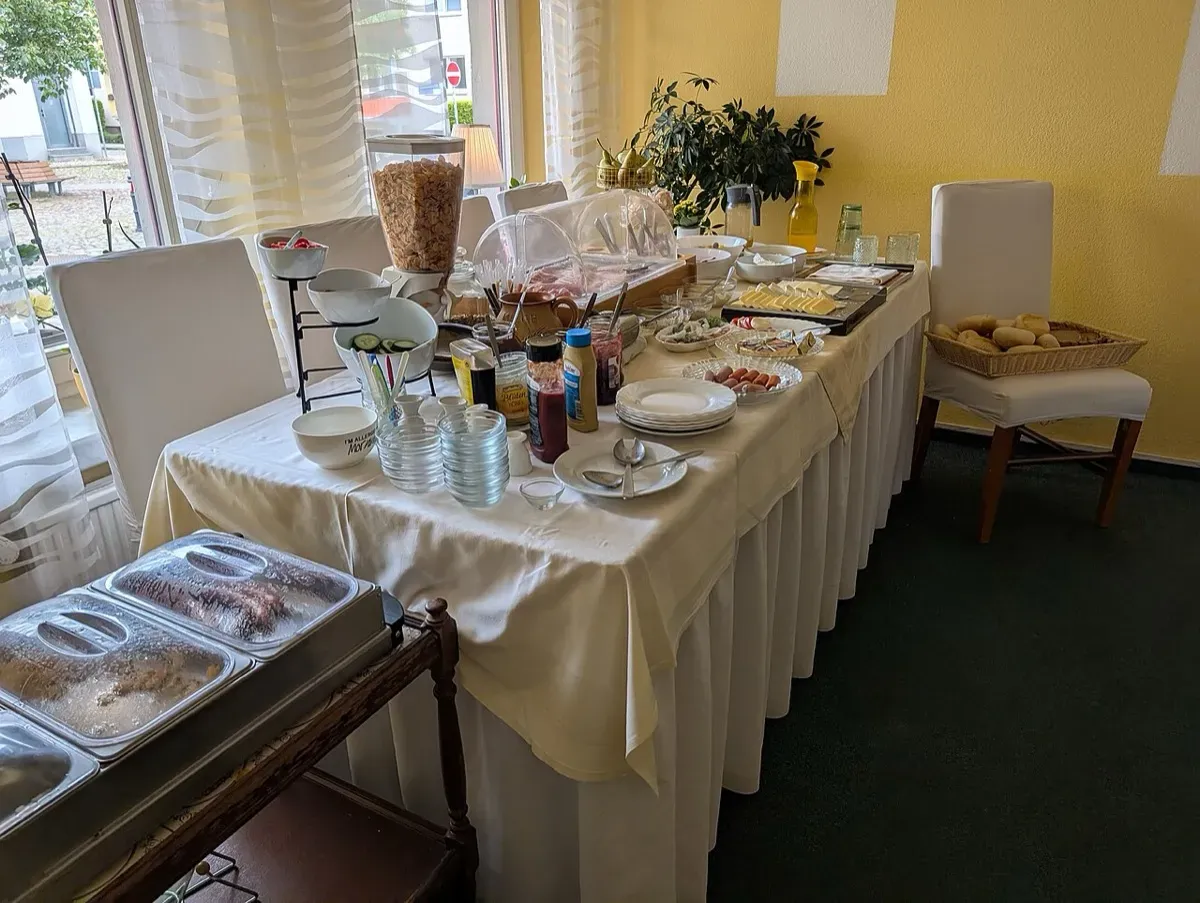
In a restaurant, hotel or canteen, waste is easy to miss. Overproduction on the buffet, trimmings during preparation and leftovers from plates all go into the same bin, and staff rarely have time to log them. Winnow’s analysis of over 1,000 kitchens found that a typical commercial kitchen wastes 5% to 15% of the food it buys. That is money as well as carbon: food is often a kitchen’s second-largest cost after labour.
The product
Winnow began in 2013 with a Waste Monitor in a single staff restaurant: a smart scale and a tablet on which staff selected what they were throwing away. By early 2019, kitchens using that system were saving more than $30 million a year in food costs, equivalent to over 23 million meals, according to Winnow.
The company then removed the manual step. Working with IKEA and Emaar Hospitality Group since October 2017, with a proof of concept from January 2018, Winnow developed Winnow Vision and launched it in March 2019. At launch it was already in more than 75 kitchens, including 23 IKEA UK and Ireland stores (Winnow press release, March 2019).
The product line now runs from tablet-only Winnow Track to Winnow Vision with touchless Throw & Go, launched in 2024, plus Winnow Hub insights and Winnow Foresight, which forecasts how much to produce for each service.
How it works
A Winnow Vision unit is mounted above a standard kitchen bin that sits on a smart scale. When staff throw food away, the scale records the weight change and the camera photographs the item. A computer vision model, trained on more than ten years of kitchen data, identifies the food. Winnow says the AI recognises more than 1,000 food items and records each disposal in under a second.
In the early versions, the system offered staff a shortlist of likely items to confirm, which trained the model on each kitchen’s menu. With Throw & Go, there are no buttons or prompts: staff simply throw food away as usual. Every disposal is weighed, timestamped and photographed, then turned into a cost and carbon figure using the kitchen’s own prices.
Chefs get daily and weekly reports showing which dishes, ingredients and stages (preparation, overproduction, plate waste) drive waste. Winnow pairs the data with coaching from chefs on its own team. The most common fix is producing less: cooking in smaller batches, adjusting buffet refills and trimming menus. Winnow says its data supports reporting under the EU Corporate Sustainability Reporting Directive, specifically ESRS E5-5, which asks for waste quantities and whether they were measured or estimated.
Timeline
| Date | Milestone |
|---|---|
| 2013 | Winnow founded; Waste Monitor launched in a single staff restaurant |
| October 2017 | Work on AI system begins with IKEA and Emaar Hospitality Group |
| January 2018 | Proof of concept phase starts in partner kitchens |
| March 2019 | Winnow Vision launched; installed in over 75 kitchens |
| 2021 | IKEA becomes the first global company to halve pre-consumer food waste, saving 20 million meals in four years, according to Winnow |
| 13 June 2023 | Winnow raises $10 million Series C, with investors including ArcTern Ventures and Ingka Investments |
| 2024 | Fully automated Throw & Go capture launched |
| 2025 | Hilton’s Green Ramadan, powered by Winnow, cuts plate waste by 26% across 45 hotels in 14 countries |
Impact and numbers
- IKEA: a 50% reduction in food waste across more than 400 IKEA stores worldwide, saving $37 million and 20 million meals, according to Winnow’s Series C announcement (Winnow, 13 June 2023).
- Network: Winnow’s 2024-25 Impact Report says its kitchens prevent 60 million meals a year from being wasted and save $85 million annually. Its website now cites more than $100 million saved and 70 million meals saved per year across 3,500+ locations.
- Hilton Green Ramadan 2025: across 45 hotels and 342,559 guests, plate waste fell from 102 g to 64 g per cover over four weeks (Winnow Impact Report 2024-25).
- Economics: Winnow says sites typically cut food costs by 2% to 8%, with payback in 6 to 12 months and savings of $5,000 to more than $50,000 per site per year.
- Carbon to date (2023): $174 million saved and 217,000 tonnes of CO2e cut worldwide since founding, as reported in June 2023.
Honest caveats. Most impact figures come from Winnow and its clients rather than independent audits, and “meals saved” is a conversion of weight into an average meal. Cameras in kitchens can raise staff concerns, so rollouts need clear communication. And measurement only works if managers act on it: a bin that reports waste without changes in purchasing and prep will not save anything.
What’s next
Regulation is turning measurement from a nice-to-have into a requirement. The revised EU Waste Framework Directive, Directive (EU) 2025/1892, entered into force on 16 October 2025. It sets binding targets for 2030: a 10% cut in food waste from processing and manufacturing, and a 30% per-capita cut across retail, restaurants, food services and households combined, against a 2021 to 2023 baseline (European Commission). Member states must transpose it by 17 June 2027. Winnow’s focus is moving from tracking to prevention, using Foresight forecasts to tell chefs how much to cook before anything is wasted.
Why it matters for Europe / green buyers
Winnow shows that a fairly simple piece of hardware, a scale, a camera and good software, can deliver one of the cheapest climate actions available: not producing food that nobody eats. Its IKEA results are among the clearest public cases of a large company meeting SDG target 12.3, which calls for halving per-capita food waste at retail and consumer levels by 2030.
For hotels, caterers, universities and corporate canteens in Europe, the business case is straightforward and the policy direction is clear. When comparing systems, ask how waste is captured (manual, assisted or automatic), how much is missed during busy service, whether data is auditable for CSRD, and what support comes with it. The technology identifies the waste; changing the kitchen still takes people.
Sources & image credits
- Winnow, “Winnow brings AI into the commercial kitchen to tackle food waste”, 25 March 2019: https://www.winnowsolutions.com/resources/news/winnow-brings-ai-into-the-commercial-kitchen-to-tackle-food-waste
- Winnow, “Winnow raises $10 million in Series C funding”, 13 June 2023: https://blog.winnowsolutions.com/winnow-raises-10-million-in-series-c-funding-to-accelerate-growth-and-further-develop-ai-powered-food-waste-prevention
- Winnow, 2024-25 Impact Report: https://650776.fs1.hubspotusercontent-na1.net/hubfs/650776/2025/Winnow%202024-25%20Impact%20Report.pdf
- Winnow website (accessed 6 October 2026): https://www.winnowsolutions.com/
- UNEP, “World squanders over 1 billion meals a day”, Food Waste Index Report 2024, 27 March 2024: https://www.unep.org/news-and-stories/press-release/world-squanders-over-1-billion-meals-day-un-report
- European Commission, “Revised Waste Framework Directive enters into force”, 16 October 2025: https://environment.ec.europa.eu/news/revised-waste-framework-directive-enters-force-2025-10-16_en
- Directive (EU) 2025/1892: https://eur-lex.europa.eu/eli/dir/2025/1892/oj
Images:
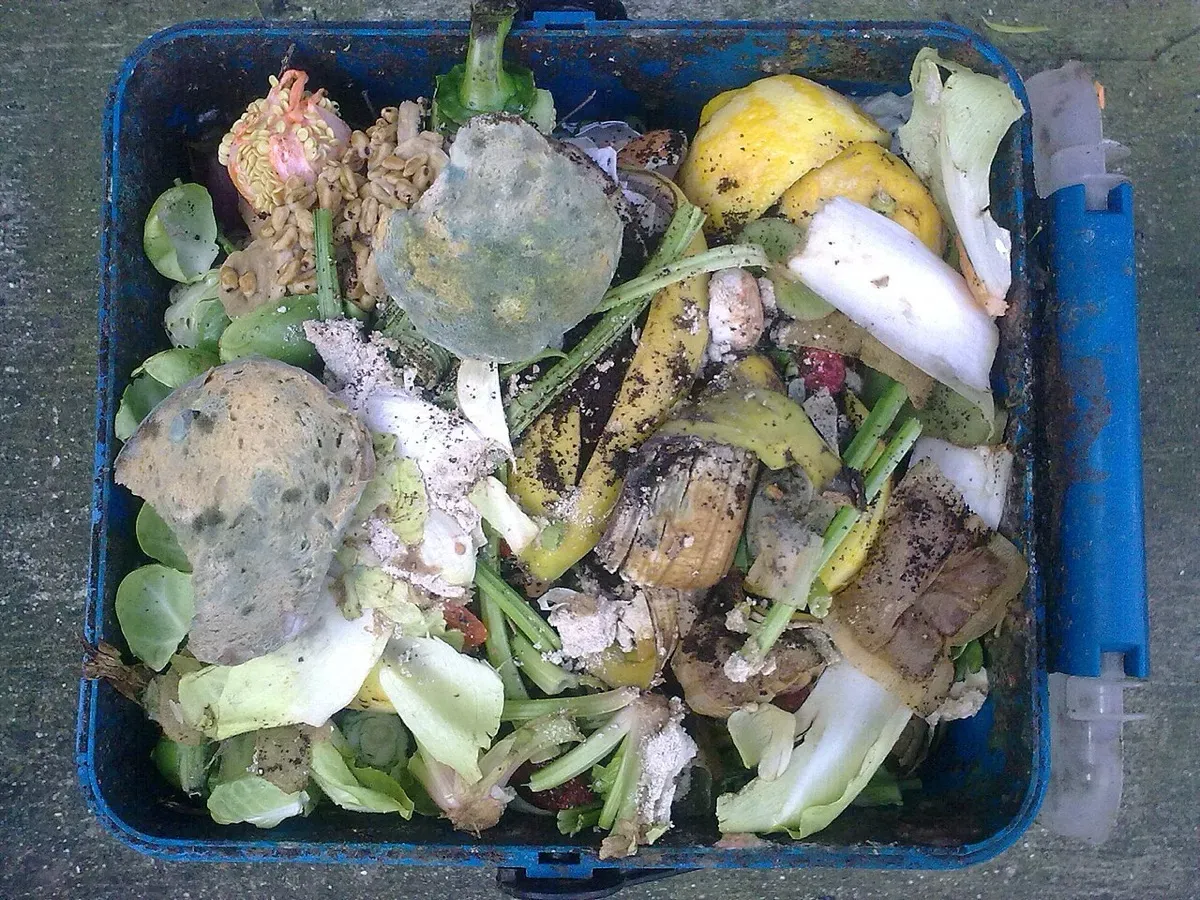
- “Food waste in a blue waste container” by Nick Saltmarsh, licensed CC BY 2.0 (https://creativecommons.org/licenses/by/2.0), via Wikimedia Commons: https://commons.wikimedia.org/wiki/File:Food_waste_in_a_blue_waste_container.jpg