The problem
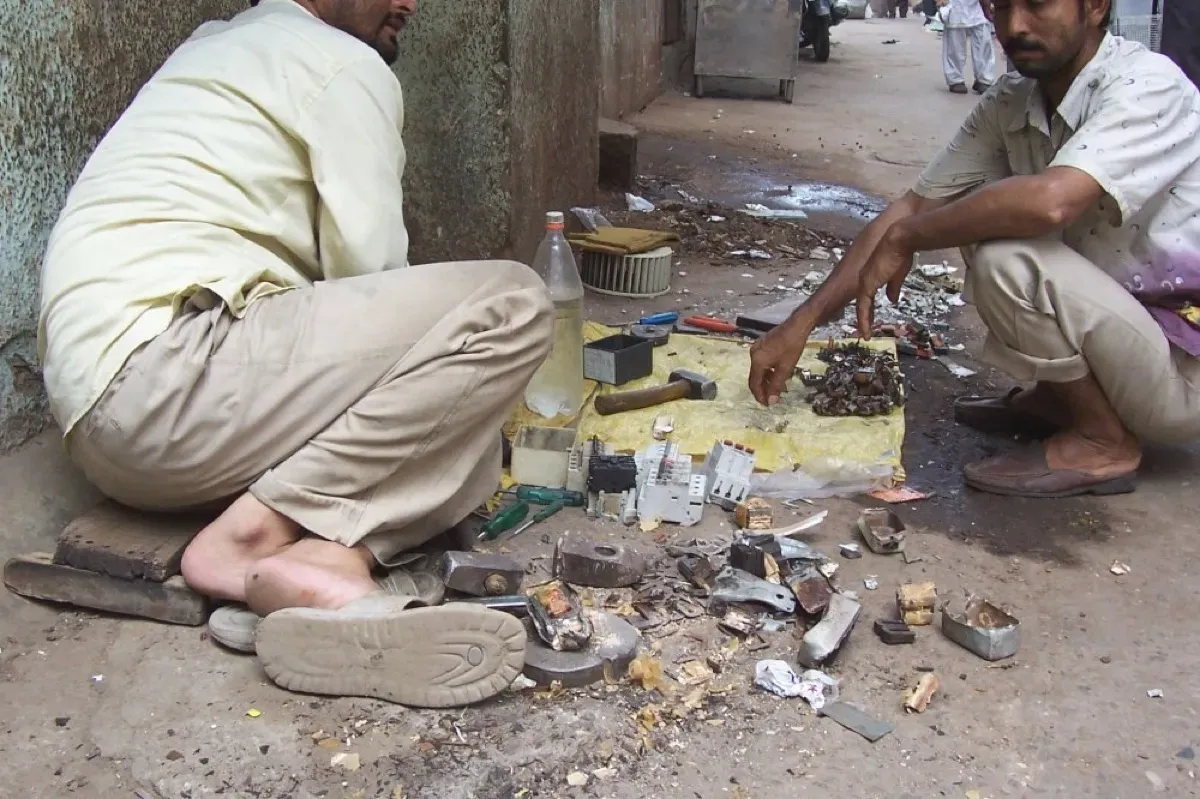
A smartphone contains dozens of materials, including cobalt, tungsten, tin, gold and rare earths, many of them mined in poor conditions. Most of a phone’s carbon footprint comes from making it, not using it, so the single biggest thing a buyer can do is keep a phone longer. Yet many phones are glued shut, batteries are hard to replace, spare parts disappear after a few years and software updates stop, pushing people to buy new ones.
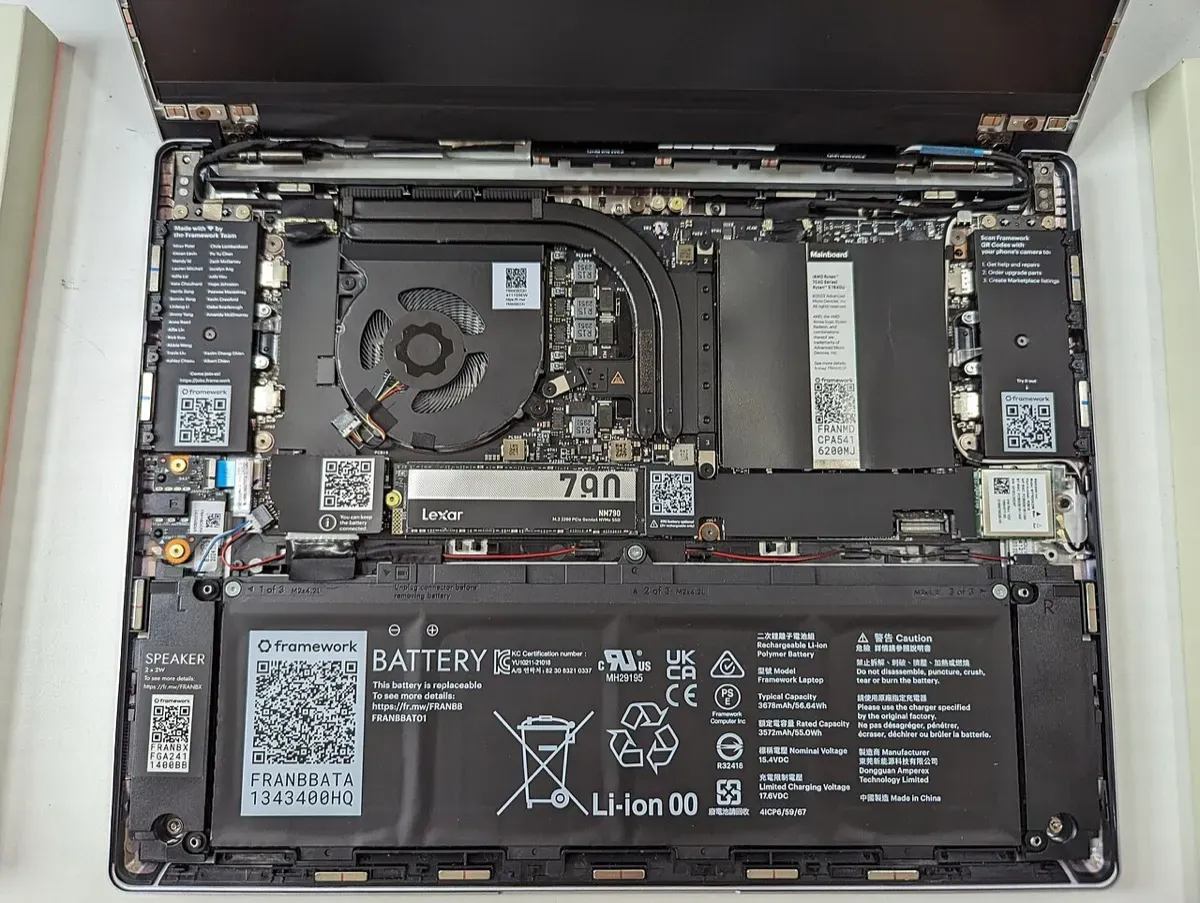
When phones are thrown away, only a small share of their materials is recovered. The EU has decided to tackle this through law: from June 2025 new rules require phones to be more durable and repairable, and from 2027 batteries in portable devices must be removable and replaceable by users.
The product
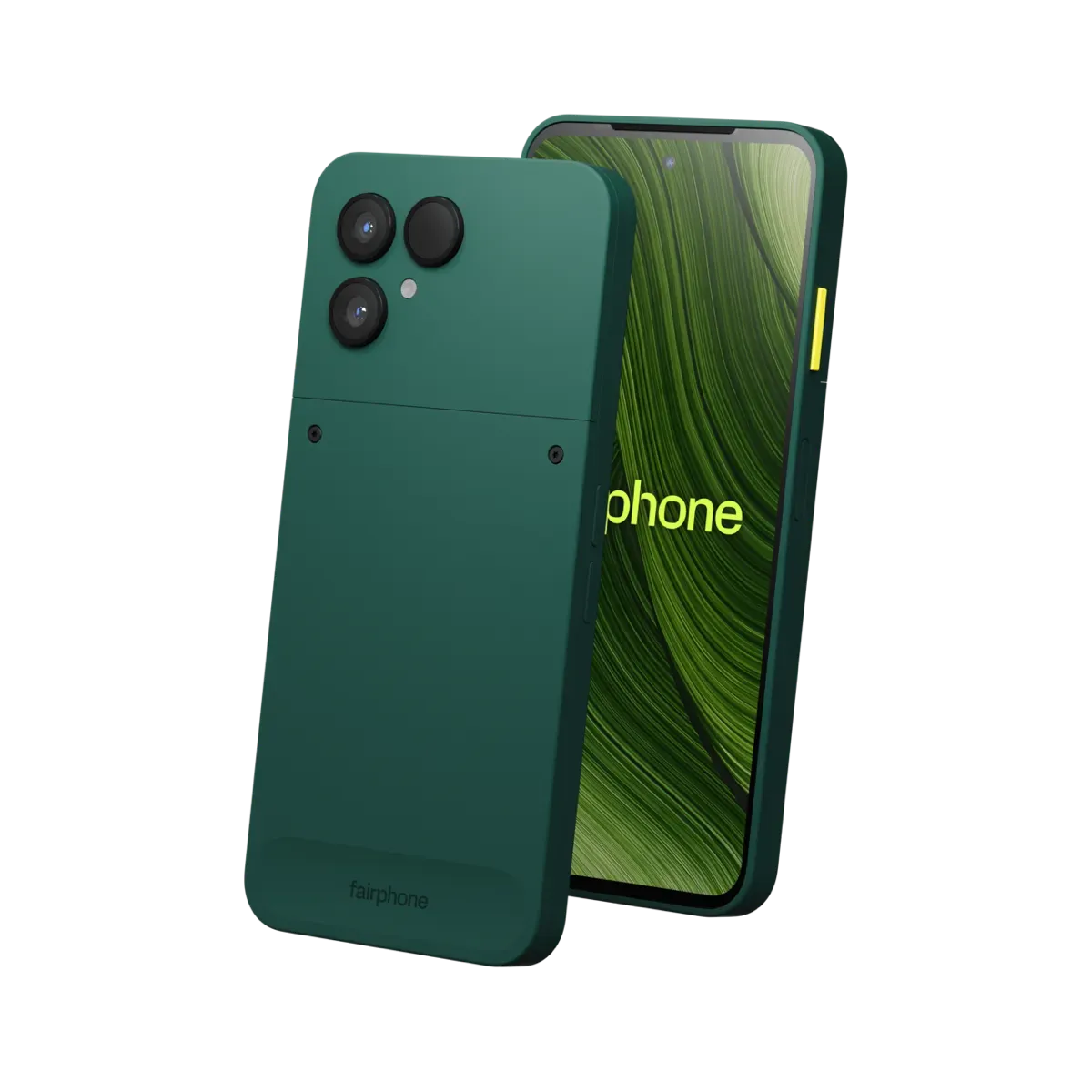
Fairphone launched its sixth-generation phone, simply called The Fairphone (Gen. 6), in Amsterdam on 25 June 2025. It has a 6.31 inch LTPO OLED screen with Gorilla Glass 7i, Qualcomm’s Snapdragon 7s Gen 3 chip, a 50 MP Sony main camera and a battery rated at 53 hours under the EU energy label. It is smaller and 9% lighter than the Fairphone 5. Twelve parts, including the battery, screen, cameras and USB-C port, can be replaced by the owner with one screwdriver; the battery needs just seven screws (Fairphone).
The phone is made with more than 50% fair or recycled materials by weight, up from 42% in the Fairphone 5, covering 14 materials such as fair cobalt, gold, silver and tungsten and recycled aluminium, copper, rare earths and over 93% recycled plastic. It earned an “A” on the EU’s new energy label and has a five-year warranty with software support to 2033. A small physical switch turns on “Moments”, a minimalist mode with only a few apps.
In August 2026 Fairphone added the Gen. 6+, with a faster Snapdragon 7s Gen 4 chip and 12 GB of memory, while keeping the same parts and accessories. The Guardian gave it credit as “fully repairable at home” with 10 out of 10 from iFixit, and listed a replacement battery at GBP 34.20 (The Guardian).
How it works
- Modular design: components are screwed, not glued, and connect with standard connectors, so the owner can remove and replace them.
- Spare parts shop: Fairphone sells batteries, screens, cameras and other parts directly, with step-by-step guides in its app.
- Fair materials: the company buys mineral credits and works with groups such as the Initiative for Responsible Mining Assurance and the Fair Cobalt Alliance to support better mining.
- Fair work: a living wage bonus is paid to workers at the final assembly factory and key suppliers.
- E-waste neutral: for every phone sold, Fairphone collects or finances the recycling of an equivalent amount of electronic waste.
Timeline
| Date | Milestone |
|---|---|
| 2013 | First Fairphone launched |
| Aug 2023 | Fairphone 5 launched |
| 20 Jun 2025 | EU ecodesign and energy labelling rules for phones apply |
| 25 Jun 2025 | The Fairphone (Gen. 6) launched at EUR 599 |
| 12 Jan 2026 | Fairphone 5 discontinued after selling out; parts and support continue to at least 2031 |
| 22 Apr 2026 | 2025 results and impact report published |
| Aug 2026 | Gen. 6+ launched; first direct US sales |
| 18 Feb 2027 | EU Battery Regulation requires user-replaceable batteries in portable devices |
Impact and numbers
- Sales: Fairphone shipped 145,259 smartphones in 2025, up 42% while the global market shrank, and revenue rose 35% to EUR 73.3 million. Germany was the biggest market, followed by the Netherlands, France and the UK (Fairphone).
- Finances: EBITDA was positive for the second year running, and operating cash flow turned positive at EUR 5.47 million. The audited annual report shows a net loss of about EUR 2.1 million, down from EUR 4.94 million in 2024 (annual report).
- Environment: by extending device lifespans, Fairphone says it avoided 2,083 tonnes of CO2 in 2025, and it cut Scope 3 emissions per phone by 18% against a 2022 baseline (Impact Report).
- Workers: USD 215,000 in living wage bonuses went to 1,650 factory workers in 2025, and more than one million dollars has been paid since 2019.
- Old models: after the Fairphone 5 was discontinued in January 2026, Fairphone promised spare parts until at least 2031 and continued software support (Fairphone support).
Honest caveats. Fairphone is tiny compared with Apple or Samsung, which each sell hundreds of millions of phones a year, and it is still not profitable after more than a decade. The phone is a mid-range device: reviewers point to average battery life, cameras and performance, and an IP55 rating means it should not be submerged. The Gen. 6+ costs EUR 50 more than the original launch price. “Fair or recycled” covers only part of the phone by weight, and fair mining often works through credits rather than physically traceable minerals. The avoided emissions figure is the company’s own calculation. Finally, mainstream brands now also offer seven years of updates, so Fairphone’s lead is narrowing on software, though not on home repair.
What’s next
The Gen. 6+ marks Fairphone’s first direct sales in the United States, and the company expects to pass one million devices sold since its founding. As EU rules tighten in 2027, Fairphone’s design will become less unusual, and it will need to compete more on price, design and its ethical supply chain.
Why it matters for Europe / green buyers
Fairphone is a proof point for EU circular economy policy: a European company that shows phones can be durable, repairable and still commercially viable. For companies with phone fleets, the five-year warranty, cheap spare parts and long support can cut both cost and Scope 3 emissions, and Fairphone sells business plans for that purpose. For individual buyers, it is the easiest way to keep one phone for seven or eight years.
Fairphone does not sell in India, but its model is relevant there: India is one of the world’s largest smartphone markets, has a big informal repair sector and has been discussing a repairability index for phones. A modular, repairable design would fit that culture of repair well.
Sources & image credits
- Fairphone, “Pushing the limits for modular and sustainable tech: Fairphone introduces ‘The Fairphone’, its sixth-generation smartphone”, 25 June 2025: https://www.fairphone.com/press/pdf/The-Fairphone-Gen.-6-Press-Release-Final.docx.pdf
- Fairphone Support, “Fairphone 5: Discontinued”, January 2026: https://support.fairphone.com/hc/en-us/articles/24114770139154-Fairphone-5-Discontinued
- Fairphone, “Fairphone Announces Strong 2025 Results Despite Shrinking Global Smartphone Market”, 22 April 2026: https://www.fairphone.com/press/pdf/Fairphone%27s%20Smartphone%20Shipments%20Surged%20by%2042%25%20in%202025%20-%20Despite%20Shrinking%20Global%20Smartphone%20Market.pdf
- Fairphone B.V., Annual Report 2025, signed version, June 2026: https://www.fairphone.com/resources/pdf/Fairphone%20-%20Annual%20report%202025%20-%20was%20signed%20version.pdf
- Fairphone, “Fairphone’s Impact 2025”, April 2026: https://www.fairphone.com/wp-content/uploads/2026/04/Fairphone-Impact_Report-2025.pdf
- The Guardian, “Fairphone 6+ review: the most repairable, ethical phone gets faster”, 24 August 2026: https://www.theguardian.com/technology/2026/aug/24/fairphone-6-review-the-most-repairable-ethical-phone-gets-faster
- European Commission, “New EU rules for durable, energy-efficient and repairable smartphones and tablets start applying”, 20 June 2025: https://single-market-economy.ec.europa.eu/news/new-eu-rules-durable-energy-efficient-and-repairable-smartphones-and-tablets-start-applying-2025-06-20_en
- EUR-Lex, Regulation (EU) 2023/1542 concerning batteries and waste batteries (Article 11 on removability and replaceability): https://eur-lex.europa.eu/eli/reg/2023/1542/oj/eng
Images:
- “FP6-GREEN-COMMERCIAL-WALLPAPER-HERO” by Fairphone, 2025, licensed under CC BY-SA 4.0 (https://creativecommons.org/licenses/by-sa/4.0), via Wikimedia Commons: https://commons.wikimedia.org/wiki/File:FP6-GREEN-COMMERCIAL-WALLPAPER-HERO.png