The problem
Cars are among the most resource-intensive products we buy. The EU’s new law on vehicle circularity notes that the automotive industry is one of the largest users of primary aluminium, steel and plastics, and that electrification adds demand for copper, rare earths and other critical raw materials. When a part such as a starter motor or steering rack fails, it is usually thrown away and replaced with a newly made one, even though most of its heavy metal housing and shafts are undamaged.
For workshops and drivers, new spare parts are also becoming more expensive, particularly for older vehicles, when production volumes fall and suppliers withdraw. Repairs that cost too much push owners to scrap cars early. A reliable, cheaper alternative to new parts helps keep vehicles on the road and keeps materials in use.
The product
Bosch eXchange is Bosch’s programme for “value-based repair”. Workshops buy a remanufactured part, return the old one (the “core”) and receive a deposit credit. Bosch says eXchange products are treated to the same standards as original parts, pass the same functional and quality tests, cost up to 30% less than comparable new parts and carry the same warranty (Bosch Aftermarket).
The range covers diesel injection systems (common rail injectors and high-pressure pumps), starters and alternators, steering pumps and electric and hydraulic steering systems, brake calipers and engine management parts such as air-mass meters. For starters and alternators alone, Bosch says the range covers around 80% of vehicles in the relevant markets (Bosch eXchange brochure).
How it works
- Core return: workshops and Bosch Car Service garages send used parts back through CoremanNet, a return service run through a Bosch subsidiary, often in the box the new part came in.
- Cleaning: at plants such as Maklár, each unit is fully dismantled and cleaned, for example by blasting with ceramic grains.
- Inspection: metal parts are checked against tolerances, including crack detection under UV light; parts that fail are replaced.
- Rebuild: every seal and all plastic and rubber components are replaced with new parts approved by Bosch, and the unit is reassembled on a production line.
- Testing and sale: every finished unit is tested before release and distributed through Bosch’s logistics network to workshops.
Timeline
| Date | Milestone |
|---|---|
| 1960s | Bosch begins series remanufacturing of starters and alternators |
| Early 2000s | Maklár plant in Hungary joins the eXchange programme |
| 2025 | TÜV Rheinland certifies the carbon footprint of new and remanufactured starters |
| 2025 | About 2.5 million parts taken back; about EUR 400 million revenue; about 5,000 steering systems remanufactured at Maklár |
| 29 Jun 2026 | EU Council adopts new rules on vehicle circularity and end-of-life vehicles |
| 24 Jul 2026 | Regulation (EU) 2026/1738 published |
| 2030 | Target of EUR 1 billion annual eXchange revenue |
Impact and numbers
- Volume: in 2025 Bosch took back about 2.5 million used parts and generated around EUR 400 million in revenue from the programme, which now covers more than 20 product groups. It aims for EUR 1 billion a year by 2030 (Bosch).
- Material reuse: at Maklár, Bosch says it can reuse well over 80% of the metal parts depending on the product; for an 11 kg steering system that is usually more than 10 kg of material. About 5,000 steering systems were remanufactured there in 2025.
- Carbon: the cradle-to-gate footprint of a remanufactured starter is 3.84 kg CO2e, compared with 34.21 kg for a new one, an 87% cut, calculated to ISO 14067 and certified by TÜV Rheinland (Certipedia). Bosch’s brochure reports cuts of more than 80% in both material and energy use per remanufactured starter. Bosch says remanufacturing a single generator saves 90 kg of CO2.
- Customers: besides independent workshops, existing major customers include BMW, Mercedes and parts wholesalers.
Honest caveats. Bosch’s own figures are not always consistent: the brochure says remanufacturing saves “around 50 kg” of CO2e per starter, while its certified figures show a difference of about 30 kg, so buyers should rely on the certified numbers. The programme is partly supplemented by new parts to ensure availability, so not every eXchange box contains a remanufactured product. A large share of the range, especially diesel injectors, pumps and starters, serves combustion engines, a market that will shrink as Europe moves to electric cars; Bosch will need to show it can remanufacture electric steering, electronics and e-motors at scale. EUR 400 million is also small compared with Bosch Mobility’s total sales. Finally, remanufacturing depends on getting cores back, which can be undermined by illegal dismantling and the export of old cars.
What’s next
Bosch expects strong growth in remanufactured steering systems from new customers, and is designing new electric steering units so they can be tracked through their life: their control units store fault and mileage data, which makes it faster to judge whether a second life is possible. The new EU regulation should help by clarifying that parts suitable for remanufacturing are not waste and by requiring proper labelling of used and remanufactured parts.
Why it matters for Europe / green buyers
For fleet managers, insurers and drivers in Europe, remanufactured parts offer a lower-cost, lower-carbon repair with the same warranty, and certified carbon data that can be used in Scope 3 reporting. For EU policy, eXchange is a large-scale example of what the new end-of-life vehicles regulation wants: keeping parts and materials in use, reducing dependence on imported raw materials and building industrial jobs in places like Hungary.
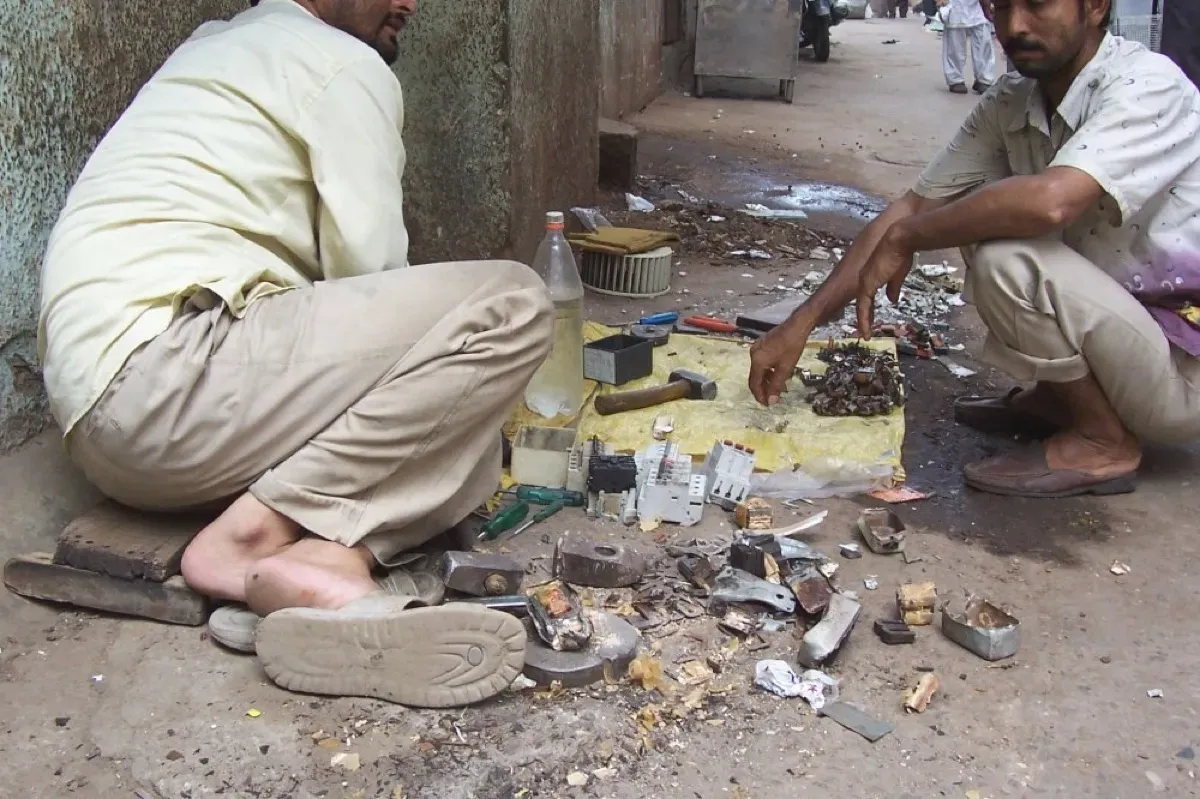
India has one of the world’s largest vehicle fleets and a huge, mostly informal repair and rebuilding sector, and its vehicle scrappage policy and new extended producer responsibility rules for end-of-life vehicles are pushing formal recycling. Certified remanufacturing, with traceable cores, quality testing and warranties, could help bring that sector into the formal circular economy.
Sources & image credits
- Bosch, “Circular economy: Remanufacturing: Giving a second life”, part of Bosch annual report 2025: https://www.bosch.com/stories/circular-economy-remanufacturing-automotive/
- Bosch Mobility Aftermarket, “Bosch eXchange: Fair value-based repair”, accessed October 2026: https://www.boschaftermarket.com/gb/en/services/programs/bosch-exchange/
- Bosch, “Bosch eXchange starters and alternators: value-based repair solutions” brochure: https://www.boschaftermarket.com/xrm/media/images/parts/starters_and_alternators/pdf_43/en/bosch_exchange_starters_alternators.pdf
- TÜV Rheinland Certipedia, “Robert Bosch GmbH: Product carbon footprint of Rotating Machines, Starters (Newman and Reman)”, certificate C01-2025-05-21269923: https://www.certipedia.com/quality_marks/0000088566
- Bosch, Sustainability Report 2025: https://assets.bosch.com/media/global/sustainability/reporting_and_data/2025/bosch-sustainability-report-2025.pdf
- Council of the EU, “Council greenlights rules for a more circular automotive sector”, 29 June 2026: https://www.consilium.europa.eu/en/press/press-releases/2026/06/29/council-greenlights-rules-for-a-more-circular-automotive-sector/
- EUR-Lex, Regulation (EU) 2026/1738 of 8 July 2026 on circularity requirements for vehicle design and on management of end-of-life vehicles, OJ L 24 July 2026: https://eur-lex.europa.eu/eli/reg/2026/1738/oj
Images:
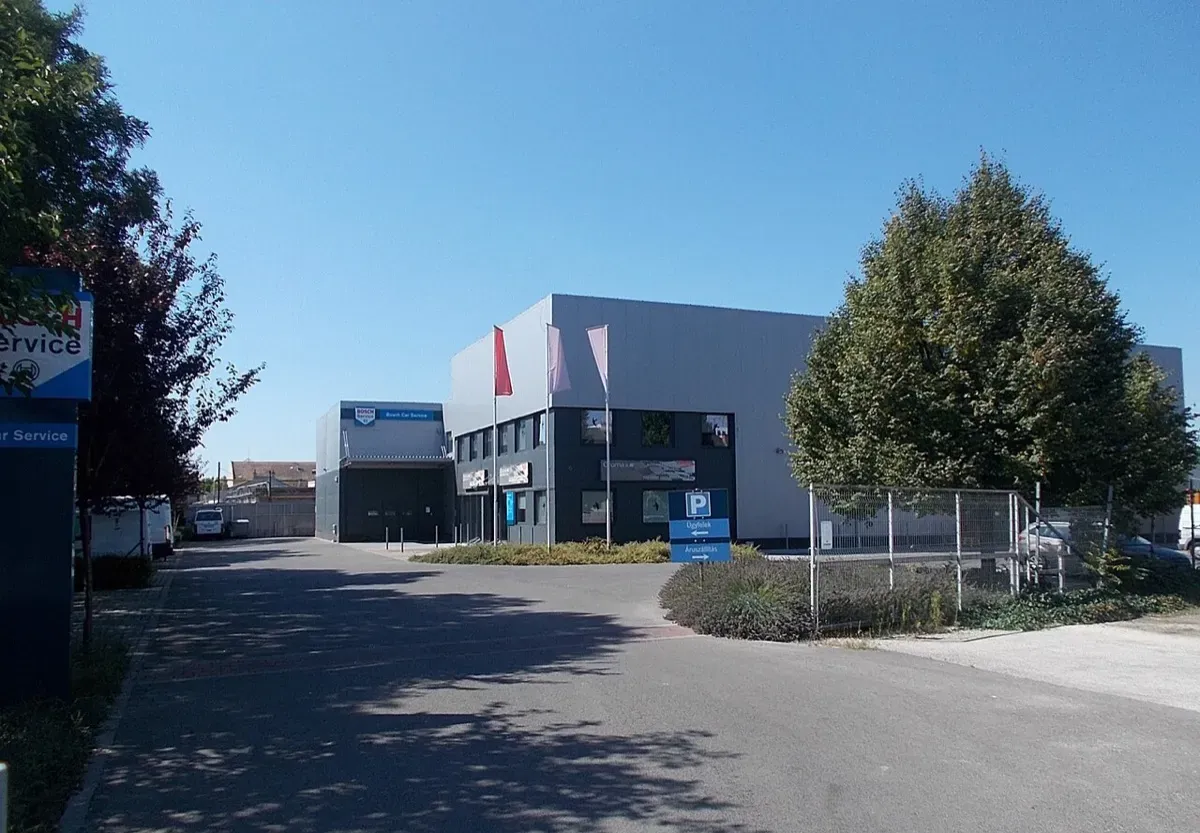
- “Bosch Service, Tisztes Straße, 2021 Józsefváros” by Globetrotter19, 2021, licensed under CC BY-SA 3.0 (https://creativecommons.org/licenses/by-sa/3.0), via Wikimedia Commons: https://commons.wikimedia.org/wiki/File:Bosch_Service,_Tisztes_Stra%C3%9Fe,_2021_J%C3%B3zsefv%C3%A1ros.jpg