The problem
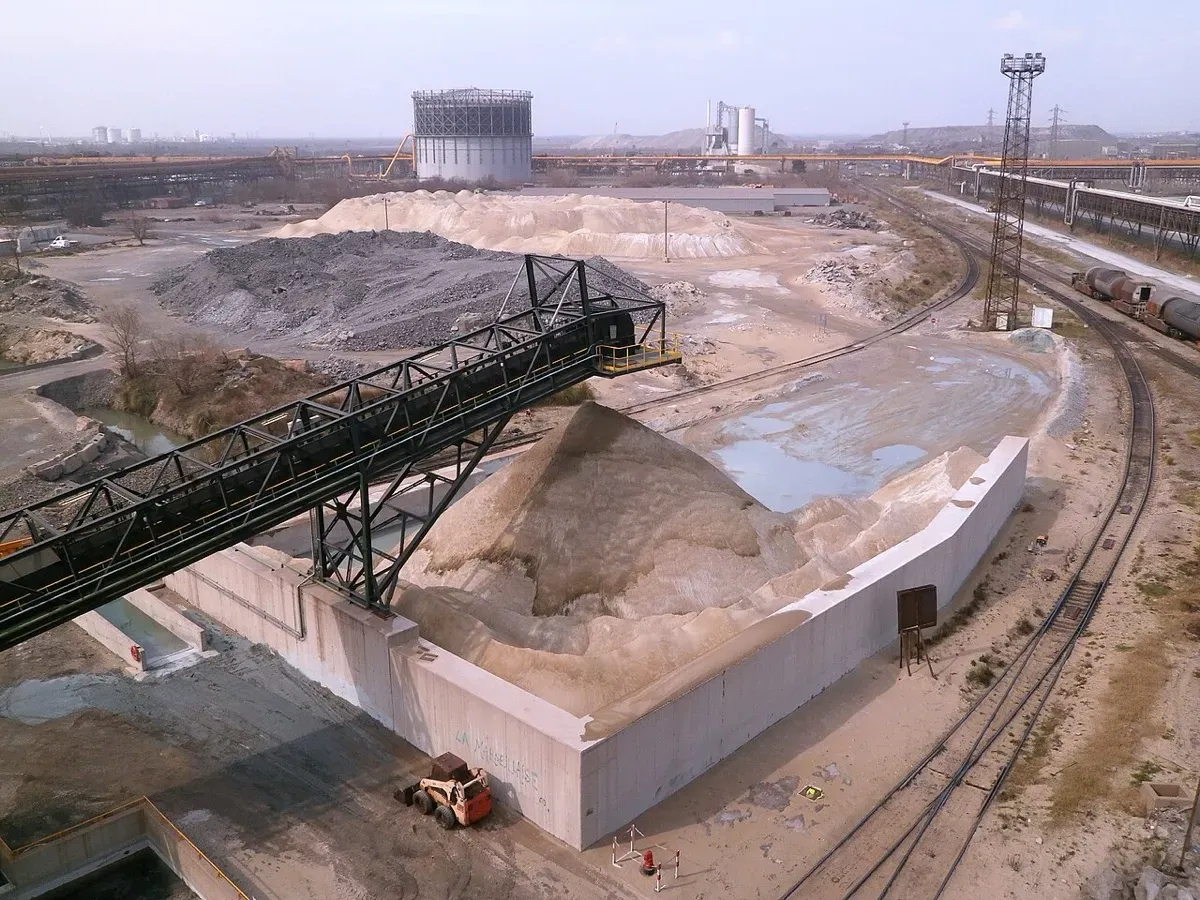
Heavy industry accounts for around 25% of global CO2 emissions, and most of that comes from burning fossil fuels for process heat in furnaces and kilns, according to Coolbrook (Coolbrook). Electricity can already replace fossil fuels for low-temperature heat, with heat pumps and resistive heaters. But conventional electric gas heaters reach only about 600°C, Coolbrook says, while cement, steel and chemicals need heat of 1,000°C and more.
In Europe, carbon costs are rising as free allowances for industries such as cement and steel are phased out alongside the Carbon Border Adjustment Mechanism, which also puts a price on the emissions embedded in imports (EUR-Lex). That makes clean high-temperature heat a commercial question, not only a climate one.
The product
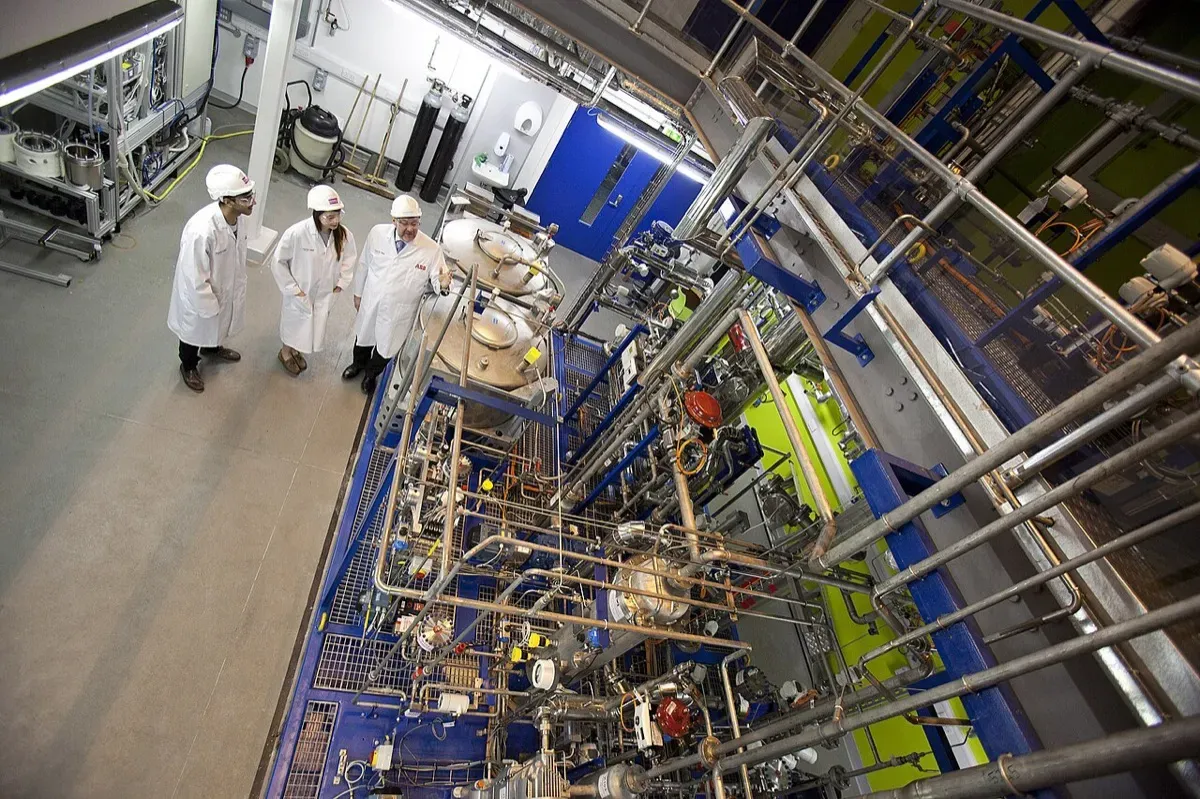
The RotoDynamic Heater is an electrically driven heater that uses turbomachinery instead of a flame or a heating element. Coolbrook describes its technology as combining rocket science, turbomachinery and chemical engineering. In the RDH, air, nitrogen or process gases are heated to high temperatures, and the hot gas is then used outside the heater to replace burners in an existing process. Coolbrook claims energy efficiency above 90%, zero CO2, NOx and SOx emissions at the point of use, compact equipment that can be retrofitted into existing plants, and a pathway to about 1,700°C.
The first commercial RDH is going to Adani Cement, which owns the Ambuja and ACC brands and has about 107 million tonnes a year of capacity. The first-generation unit at Boyareddypalli, Andhra Pradesh, will deliver hot gases at around 1,000°C to dry alternative fuels and raise their heating value, so the plant can burn more waste-derived fuel and less coal in the calcination stage. It will be powered by Adani’s renewable electricity and is expected to cut about 60,000 tonnes of CO2 a year, with the potential to increase ten times (Coolbrook).
How it works
- Electric drive: large electric motors and drives, supplied by ABB for the Adani project, spin the machine.
- Rotating blades: high-precision aerofoil blades, cast in superalloys by Doncasters in Chard, Somerset, transfer the energy into the gas flowing through the machine, raising its temperature.
- Hot gas out: the heated gas leaves the RDH and is piped to the process, here to dry alternative fuels.
- Control: ABB’s System 800xA distributed control system runs the unit.
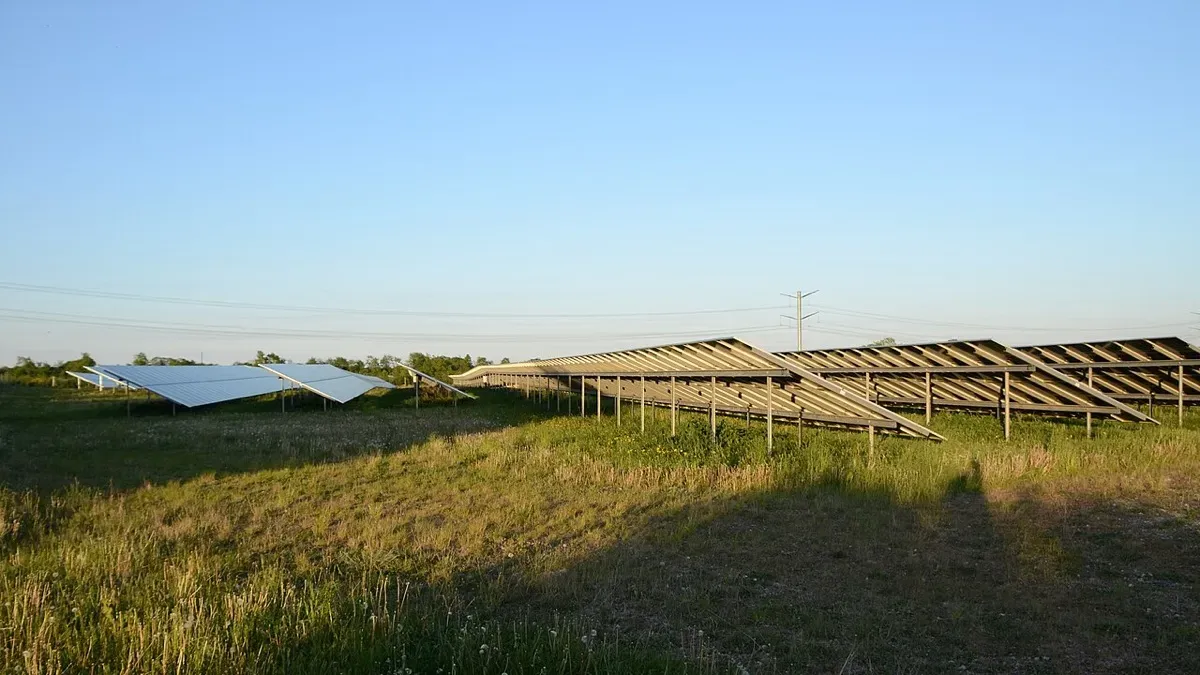
- Clean power: emissions are only as low as the electricity, so the Adani unit runs on renewables.
Timeline
| Date | Milestone |
|---|---|
| 2021 to 2023 | Large-scale pilot plant built and operated at Brightlands Chemelot Campus, Geleen |
| 2023 | Pilot exceeds 1,000°C heating air, steam and methane |
| 19 Dec 2023 | RDR electric steam cracking of naphtha demonstrated at the pilot |
| 15 Sep 2025 | RDR cracks 100% plastic-waste pyrolysis oil (EU Horizon Europe eLECTRO project) |
| 12 Nov 2025 | Delivery agreement with Adani Cement for first commercial RDH |
| 2 Apr 2026 | Doncasters to make aerofoil castings for the RDH |
| 29 Jun 2026 | EUR 2.5 million Business Finland grant for SSAB-led FutSteel project |
| 20 Jul 2026 | ABB awarded electrical scope; industrial delivery phase begins |
Impact and numbers
- Temperature: the pilot exceeded 1,000°C, several hundred degrees above conventional resistive heaters, and validated the technical pathway up to 1,700°C, which Coolbrook says covers more than 95% of the temperature range needed in a EUR 1 trillion industrial heating market (Coolbrook).
- First project: about 60,000 tonnes of CO2 avoided a year at Boyareddypalli; Adani and Coolbrook share an ambition to launch at least five more projects within two years.
- Steel: the FutSteel project, part of SSAB’s Sustainable World through Steels ecosystem, will adapt the RDH for blast furnace processes, reheating, hot-stove air preheating, direct reduced iron and hydrogen-based steelmaking; Coolbrook’s scope is EUR 5 million, half covered by the grant (Coolbrook).
- Ambition: Coolbrook says RotoDynamic technology could cut up to 2.4 billion tonnes of CO2 a year, about 30% of heavy industry emissions.
Honest caveats. The RDH has not yet run commercially. The Adani unit only entered its industrial delivery phase in July 2026, when ABB received the electrical scope (Coolbrook), yet a June 2026 release already refers to “successful commercial-scale deployment” in cement. Readers should treat that as a claim about the contract, not about a working plant. The pilot tests used air, steam, nitrogen and methane, and the 1,700°C figure is a modelled pathway, not a demonstrated temperature. Coolbrook said in 2023 that the first industrial RDR cracking projects would launch in 2024, but its press releases since then have not announced one. The first Adani unit only dries fuel, so coal is still burned in the kiln, and the 2.4 billion tonne figure is a theoretical maximum. Electrified heat also needs large amounts of cheap clean power and strong grid connections.
What’s next
Coolbrook’s next steps are to commission the Adani unit, prove it in continuous operation, and then roll out follow-on projects at Adani and in steel with SSAB. It has strengthened its team for industrial scale-up, appointing a turbomachinery expert as CTO in May 2026 and a new chairman in June 2026. Outside recognition is growing too: Coolbrook was named on the 2026 Global Cleantech 100 list in January and won a Reuters Events Global Energy Award for pioneering decarbonisation in July 2026. The real test, though, will be hours of reliable operation at Boyareddypalli.
Why it matters for Europe and India
For Europe, Coolbrook is a homegrown answer to one of industry’s hardest problems: a Finnish design tested in the Netherlands, with blades cast in England and electrical systems from ABB. If it works, it could let European cement, steel and chemical plants electrify their hottest processes using European wind and solar power.
For India, the world’s second-largest cement producer, Adani’s Boyareddypalli plant will be the global first. A successful unit would show that Indian cement makers can cut coal use with renewable electricity, as tighter emission intensity targets and EU carbon border charges raise the stakes for exporters.
Sources & image credits
- Coolbrook, “Adani Cement and Coolbrook to deploy world’s first commercial RotoDynamic Heater to advance cement decarbonisation”, 12 November 2025: https://coolbrook.com/news/adani-cement-and-coolbrook-to-deploy-worlds-first-commercial-rotodynamic-heater-to-advance-cement-decarbonisation/
- Coolbrook, “Coolbrook and ABB Partnership Advances to Industrial Delivery Phase of RotoDynamic Heater technology to Adani Cement”, 20 July 2026: https://coolbrook.com/news/coolbrook-and-abb-partnership-advances-to-industrial-delivery-phase-of-rotodynamic-heater-technology-to-adani-cement/
- Coolbrook, “Coolbrook secures Business Finland funding to accelerate electrification for the global steel industry”, 29 June 2026: https://coolbrook.com/news/coolbrook-secures-business-finland-funding-to-accelerate-electrification-for-the-global-steel-industry/
- Coolbrook, “Doncasters enters the Cleantech sector with Coolbrook in a first-of-its-kind cooperation”, 2 April 2026: https://coolbrook.com/news/doncasters-enters-the-cleantech-sector-with-coolbrook-in-a-first-of-its-kind-cooperation/
- Coolbrook, “Piloting RotoDynamic Technology”: https://coolbrook.com/elecrification-technology-pilot/
- Coolbrook, “Industrial Process Heating: Replacing Fossil Fuels with RotoDynamic Heater”: https://coolbrook.com/electrification-solutions/rdh-industrial-process-heating/
- Coolbrook, “Coolbrook successfully cracks naphtha in its large-scale pilot plant”, 19 December 2023: https://coolbrook.com/news/coolbrook-successfully-cracks-naphtha-in-its-large-scale-pilot-plant-leading-the-way-to-zero-carbon-steam-cracking/
- Coolbrook, “Coolbrook Achieves Breakthrough in Circular Materials: Large-Scale Pilot Successfully Cracks Plastic Waste Pyrolysis Oil”, 15 September 2025: https://coolbrook.com/news/coolbrook-achieves-breakthrough-in-circular-materials-large-scale-pilot-successfully-cracks-plastic-waste-pyrolysis-oil/
- EUR-Lex, Regulation (EU) 2023/956 establishing a carbon border adjustment mechanism: https://eur-lex.europa.eu/eli/reg/2023/956/oj
Images:
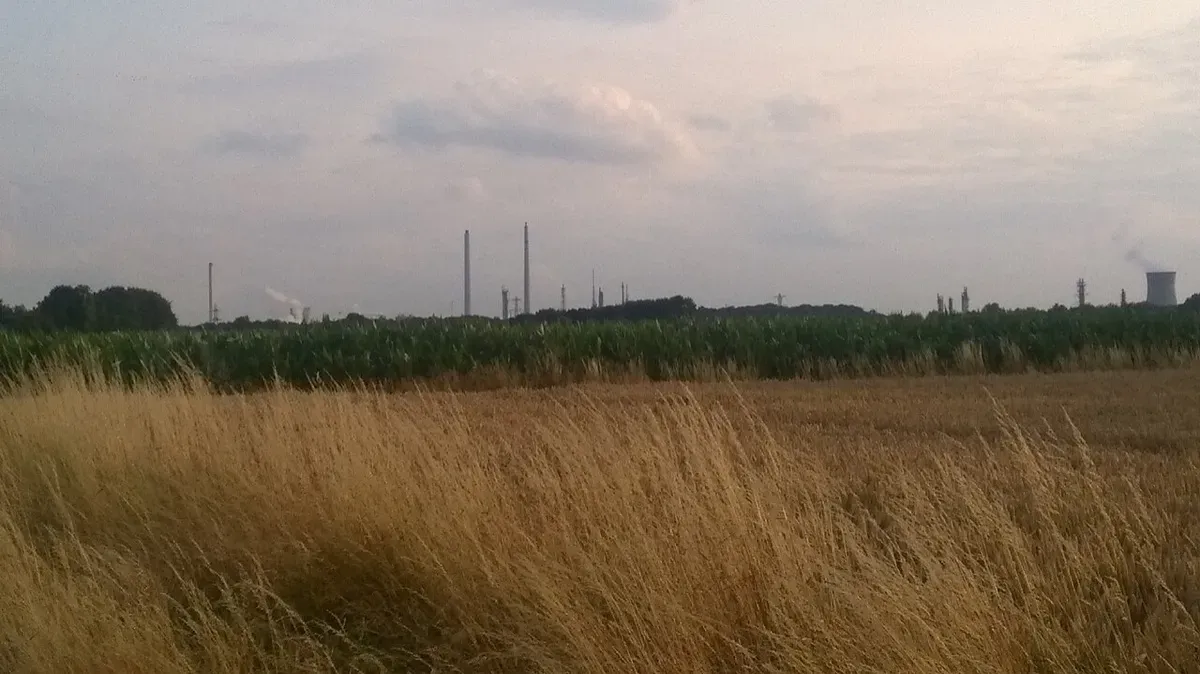
- “Chemelot vanaf de Boschweg” by Vincenthendriks, 2019, licensed under CC BY-SA 4.0 (https://creativecommons.org/licenses/by-sa/4.0), via Wikimedia Commons: https://commons.wikimedia.org/wiki/File:Chemelot_vanaf_de_Boschweg.jpg